DRC: 260 secondary schools to be built in five provinces to increase the number of girls in science and technology courses
The Ministry of Primary, Secondary, and Technical Education (EPST) in the Democratic Republic of the Congo has been promoting science and technology programs for girls as its flagship initiative for several years, with the goal of empowering them to become self-reliant members of society.
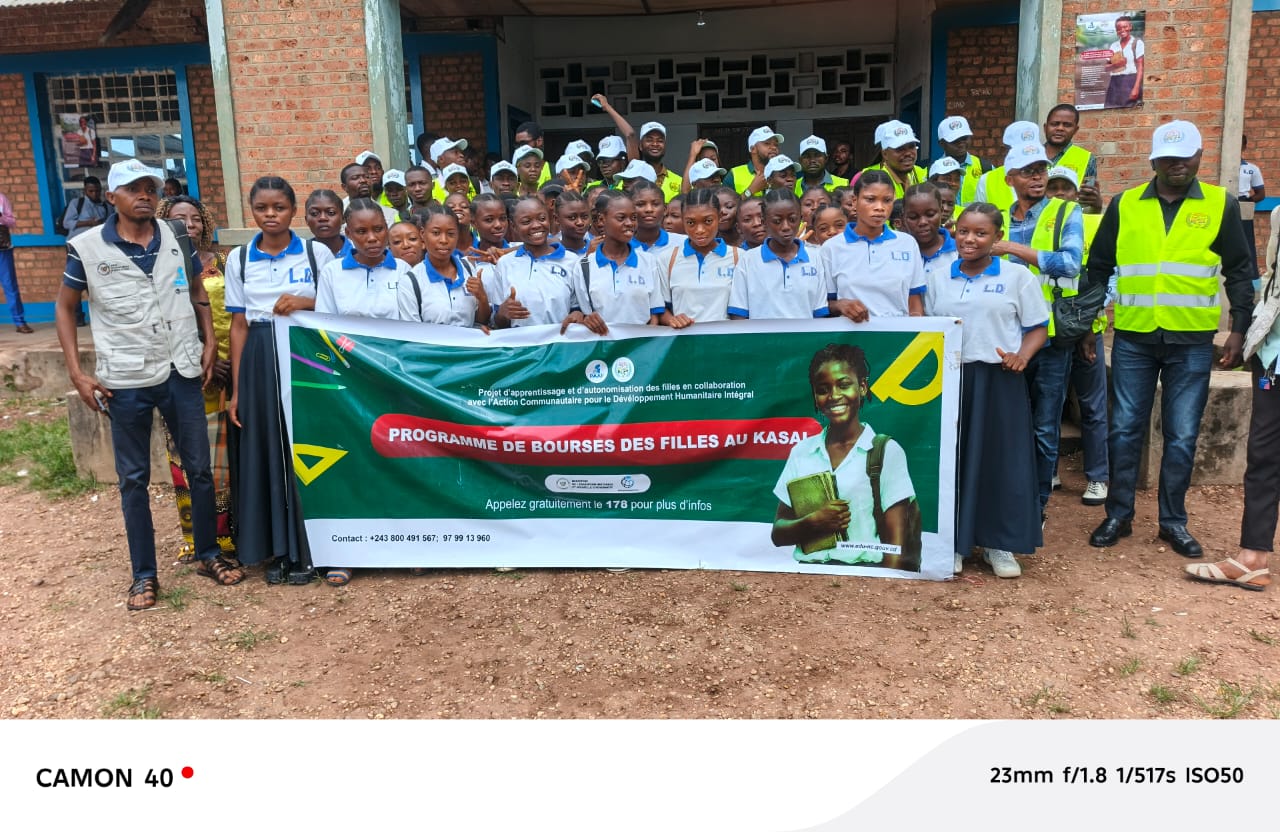
With this in mind, it is currently implementing the “Girls’ Learning and Empowerment Project,” a five-year initiative, in five targeted provinces of the Democratic Republic of the Congo: Kasai, Kasai Central, Kasai Oriental, Ituri, and South Kivu.
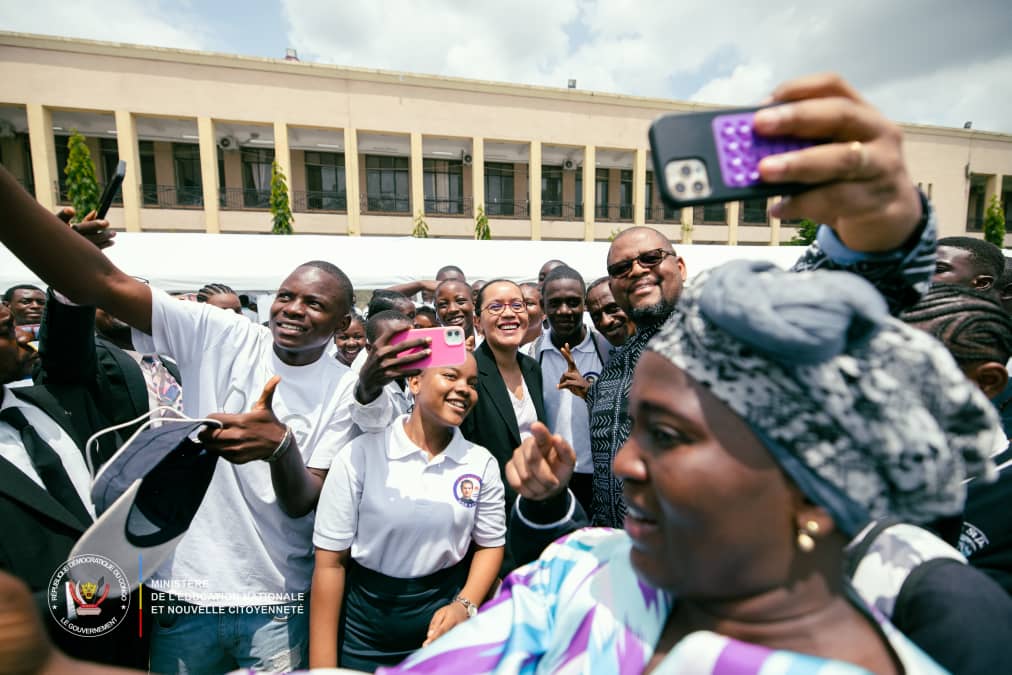
The project’s deputy coordinator for the EPST, Raïssa Malu, presented the project to the public attending the Science and Technology Day on Monday, April 8, 2024, at Silikin Village in Kinshasa. The project aims to improve teaching and learning conditions within the EPST.
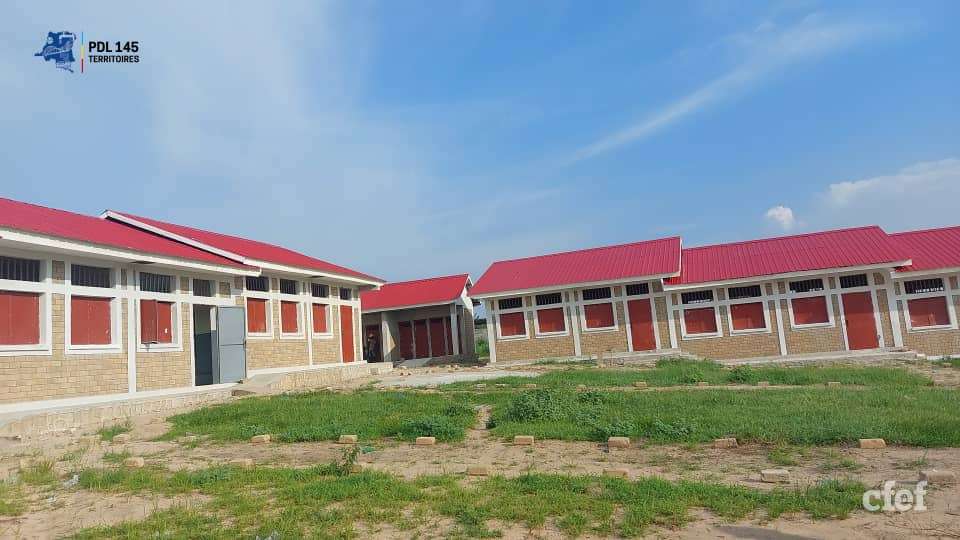
As part of the project’s implementation, 260 secondary schools will be built in these five selected provinces to make these schools safe and inclusive for girls, with the goal of increasing the number of girls enrolled in the EPST, particularly in technical and scientific fields.
According to her, it has been observed that fewer than 42% of girls are enrolled in science tracks, which is why the Ministry of EPST has resolved to combat these disparities in order to steadily increase the number of female students in scientific and technical disciplines.
“At the secondary school level, girls nevertheless account for 42% of students enrolled in science tracks. What we aim to do at the EPST is to increase this number and reduce the various disparities that exist across the provinces of the DRC. “This project will overhaul secondary science and mathematics curricula specifically to increase girls’ participation in school,” she explains.
She continues:
“The EPST takes the issue of girls’ education very seriously, particularly in technical and scientific disciplines. The EPST aims to address this challenge to increase this proportion. So we have a huge amount of work to do, and this work cannot be done at the higher education level or in scientific research—it’s too late for that. This work must be done at the preschool, primary, and secondary levels.”
On this occasion, the deputy coordinator of the “Girls’ Learning and Empowerment Project” called on all key education stakeholders to get involved in this initiative, which has just provided solutions to the problem of low enrollment of girls in technical fields.
“Mobilizing families and communities—I would like to ask families, parents, and the community to trust the Ministry of Basic and Secondary Education and to support us. It is more important that we ensure girls’ education to address all these issues of teenage pregnancy, early marriage, and insecurity in our communities. Girls must go to school so that we can have a prosperous country and accelerate our nation’s development,” said Raïssa Malu
Ivan Honoré Mudiangombé and Paola Mawete