Actualités
16 April 2026

The Democratic Republic of the Congo (DRC) participated in the Global Education Forum 2025, held in London from May 19 to 22, under the main theme: “The Next Great Education Revolution: How to Transform Learning Through Sustainable Policies.” This major event, recognized as one of the most influential in the field of global education policy, brought together ministers, experts, representatives of multilateral organizations, and change-makers from more than 100 countries. The 2025 edition focused its discussions on ways to simultaneously improve access and quality in education systems, in light of contemporary challenges, including the digital transition, social justice, climate resilience, and humanitarian crises.
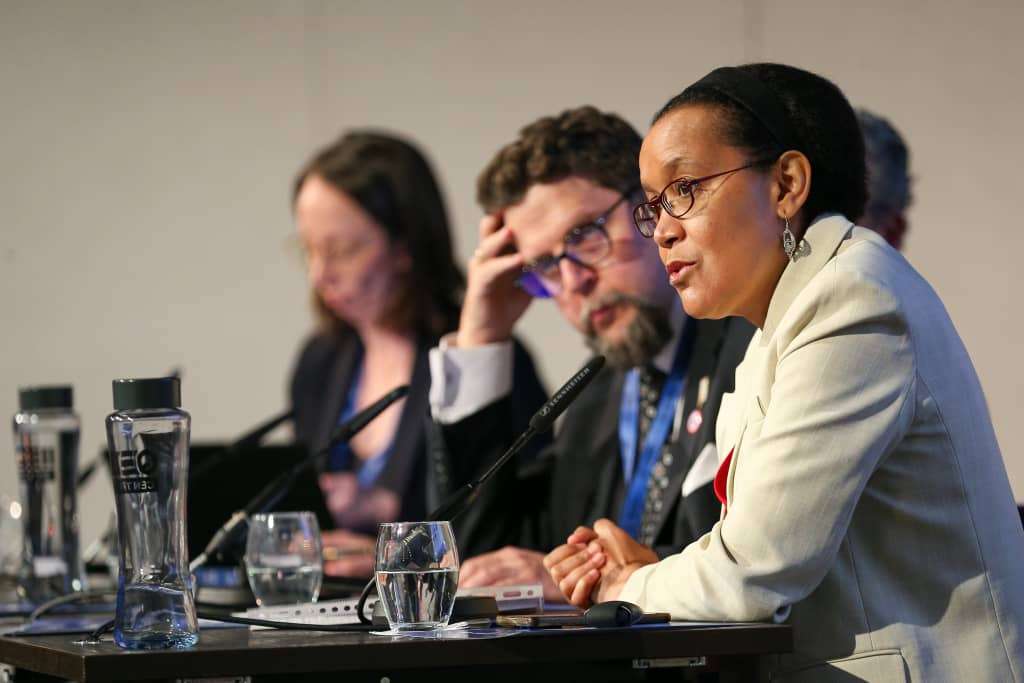
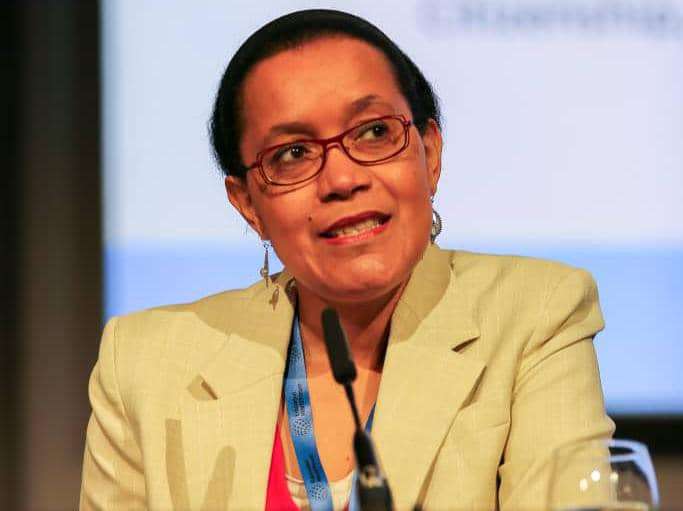
The Minister of State, Minister of National Education and New Citizenship, represented the DRC at the event and spoke during Plenary Session 2 on May 19 at Churchill Hall in the Queen Elizabeth II Conference Center. This session, titled “How to Ensure Quality While Expanding Access to Education? ,” focused on the systemic tensions many countries face when attempting to reconcile expanding school access with maintaining high educational standards. Crucial topics such as school infrastructure, digital innovation, the diversification of learning pathways, regulatory policies, and equity imperatives were discussed.
The Minister of State’s remarks, delivered during parallel session 2a, were noted for their clarity, analytical sincerity, and strategic depth. She outlined five key areas of analysis. She first addressed the global dilemma between expanding access and preserving educational quality, citing the Congolese example marked by the reintegration of more than four million children into the school system since the implementation of free primary education in 2019. She then outlined the structural tensions revealed by this rapid expansion, such as overcrowded classrooms, a shortage of trained teachers, and significant geographic disparities. Third, she highlighted the reforms undertaken to ensure quality, notably the overhaul of curricula centered on a common core of competencies, continuing education supported by local school networks, the modernization of the school data system through the deployment of e-SIGE, the regulatory recognition of distance learning, and the revision of school infrastructure standards.
The minister then presented some encouraging results, including the estimated 64% pass rate for the 2024 State Exam, with girls outperforming boys at 66% versus 63%. She concluded her remarks with a call for international solidarity, advocating for sustainable, flexible support that is truly aligned with national priorities, so that education can become a key driver of social transformation.
On the sidelines of the Forum, the Minister of State pursued an active diplomatic agenda by meeting with several key figures. She had an in-depth discussion with Alicia Herbert, a senior British official in charge of the Education, Gender, and Equality Directorate within the Foreign, Commonwealth & Development Office, who also serves as the United Kingdom’s Special Envoy for Gender Equality. This meeting provided an opportunity to address the main challenges facing the Congolese education system, including the consolidation of free primary education, quality improvement, and the role that technical and financial partners can play within a framework aligned with the country’s priorities.
Another meeting took place with Ruth Kagia, Special Envoy of the Global Partnership for Education (GPE). Discussions focused on the GPE’s contribution to financing the sector in the DRC, the progress made, but also the delays observed in implementing reforms, particularly the delay in disbursing the final tranche of $50 million. Also discussed were the challenges linked to rapid population growth and the need to keep children—and particularly girls—in the education system through the end of secondary school.
The Minister of State also met with David Maynard, a representative of the British Council, with whom she discussed opportunities for cooperation in the development of English language skills and digital literacy. The meeting focused on promoting English language instruction through hybrid approaches, combining in-person classes with online platforms, leveraging existing British Council resources such as Learning English, Teaching English, and English Connect. Discussions explored potential synergies with World Bank-supported projects, the integration of English language instruction into the revised curricula, strengthening teacher training, training local trainers, funding opportunities, and the introduction of the IELTS test in the DRC.
These bilateral meetings helped strengthen the DRC’s strategic partnerships in the field of education, while opening up new concrete avenues for implementing the reforms underway.
Finally, the Minister of State visited the Embassy of the Democratic Republic of the Congo in London, where Ambassador Ndolamb Ngokwey had invited active members of the Congolese diaspora. In her remarks, she outlined the Five-Year Education Plan, setting forth the ministry’s strategic priorities. She called on members of the diaspora to actively contribute to the implementation of these priorities, emphasizing the fundamental role they can play in promoting national unity and the country’s positive image internationally. She emphasized the importance of responsible civic engagement—one capable of offering constructive criticism without fueling self-destructive rhetoric—in order to make education a common good in the service of national progress.
Moïse Dianyishayi
Filter by structure or document type to find the right content.



For any report or information related to national education and new citizenship, call 178