Education and gender: the FAWE and LARTES-IFAN report reveals the interactions that hinder girls' access, retention and success at school

Education and gender: the FAWE and LARTES-IFAN report reveals the interactions that hinder girls' access, retention and success at school

Actualités
20 February 2024
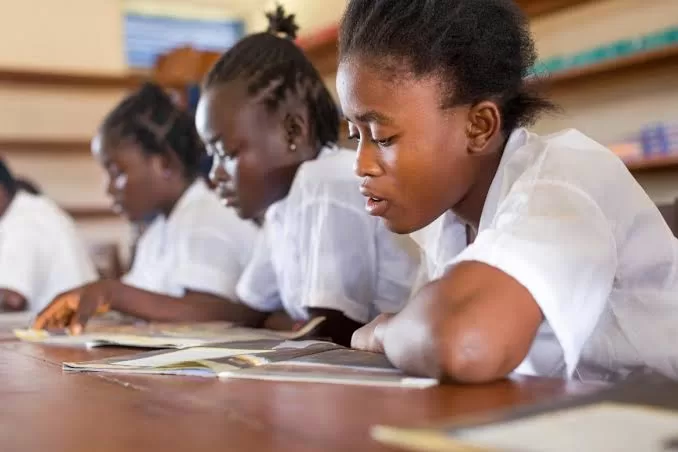
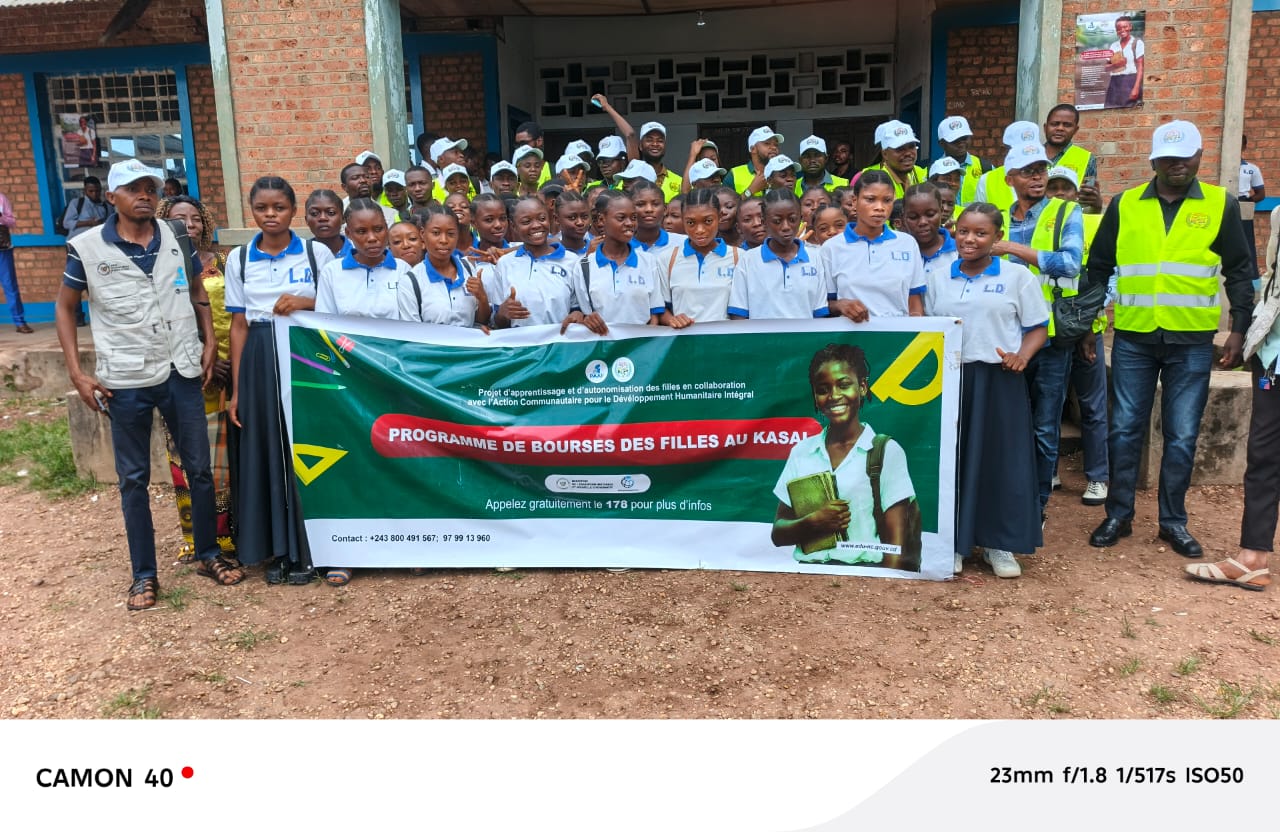
The Forum of African Women Educationalists (FAWE) consortium and the Laboratory for Research on Economic and Social Transformations (LARTES-IFAN) at Cheikh Anta Diop University in Dakar, Senegal, have published a report on their study of gender promotion in schools across several African countries, including the Democratic Republic of the Congo. In the country of Lumumba, the study focused on two cities: Kinshasa and Kananga in Central Kasai. Data was collected between May and July 2023. Experts from the Directorate of Life Skills Education and the Partnership Directorate of the General Secretariat of the EPST participated in the study as resource persons.  The study employed a mixed-methods approach, combining both quantitative and qualitative data collection tools. For the quantitative component, it administered 96 questionnaires to students and 100 questionnaires to parents. For the qualitative component, it conducted 45 semi-structured interviews, 6 life narratives, and 6 focus groups.  The study’s results show some significant progress and reveal weaknesses that require institutional and holistic interventions, in collaboration with all educational partners, to turn the situation around in favor of girls’ education. Significant progress recorded In terms of progress, the study notes that: Girls continue to handle the lion’s share of household chores; ; However, the study highlights that concrete efforts must be made to address the identified shortcomings, such as: In light of these findings, a call is being made to incorporate a gender perspective into educational programs by building teachers’ capacity in gender-sensitive pedagogy, as well as to increase girls’ participation in empowerment clubs to promote their leadership and academic success. The study further notes the need to strengthen communication and awareness campaigns and to promote synergistic action among programs promoting girls’ education in the DRC. The EPST promotes gender equality through several programs The EPST welcomes this study, which aligns with its strategy for girls’ education developed and validated in 2015. Indeed, the study, which received support from the Ministry of EPST, reinforces the sub-sector’s reform aimed at making schools a safe and inclusive environment where all forms of violence, particularly GBV, must be eliminated and where girls’ enrollment is encouraged. This is, moreover, clearly stated in the 2016–2025 sectoral strategy for education and training, specifically in its first pillar on access and equity. Several provinces, notably the former Grand Equateur, Kasaï Central, and Kasaï, have been the focus of awareness-raising efforts on girls’ education and training on the prevention of GBV in schools, thanks to the Basic Education Support Project (PROSEB 2013–2015) and the Education Quality Improvement Project (PAQUE 2016–2020). In 2021, teachers and principals of public primary schools in ten target provinces of the Project for Equity and Strengthening of the Education System (PERSE 2019–2024) signed a pledge to adhere to the code of conduct for teaching staff. To promote safe and inclusive schools, the EPST has established a complaint management mechanism, with a toll-free number, “178.”  Thierry Mbebangu, Ariane Zengula, and Fleury Dala.

Browse all publications

Filter by structure or document type to find the right content.
Telephone — hotline

For any report or information related to national education and new citizenship, call 178
Allo École