EPST plans to integrate the sexual and reproductive health component into the national curriculum for specific branches of special education.
In an effort to improve the national curriculum, the Minister of Primary, Secondary, and Technical Education, Professor Tony Mwaba Kazadi, advocates for the inclusion of specific subjects, including “sexual and reproductive health,” in the national curriculum.
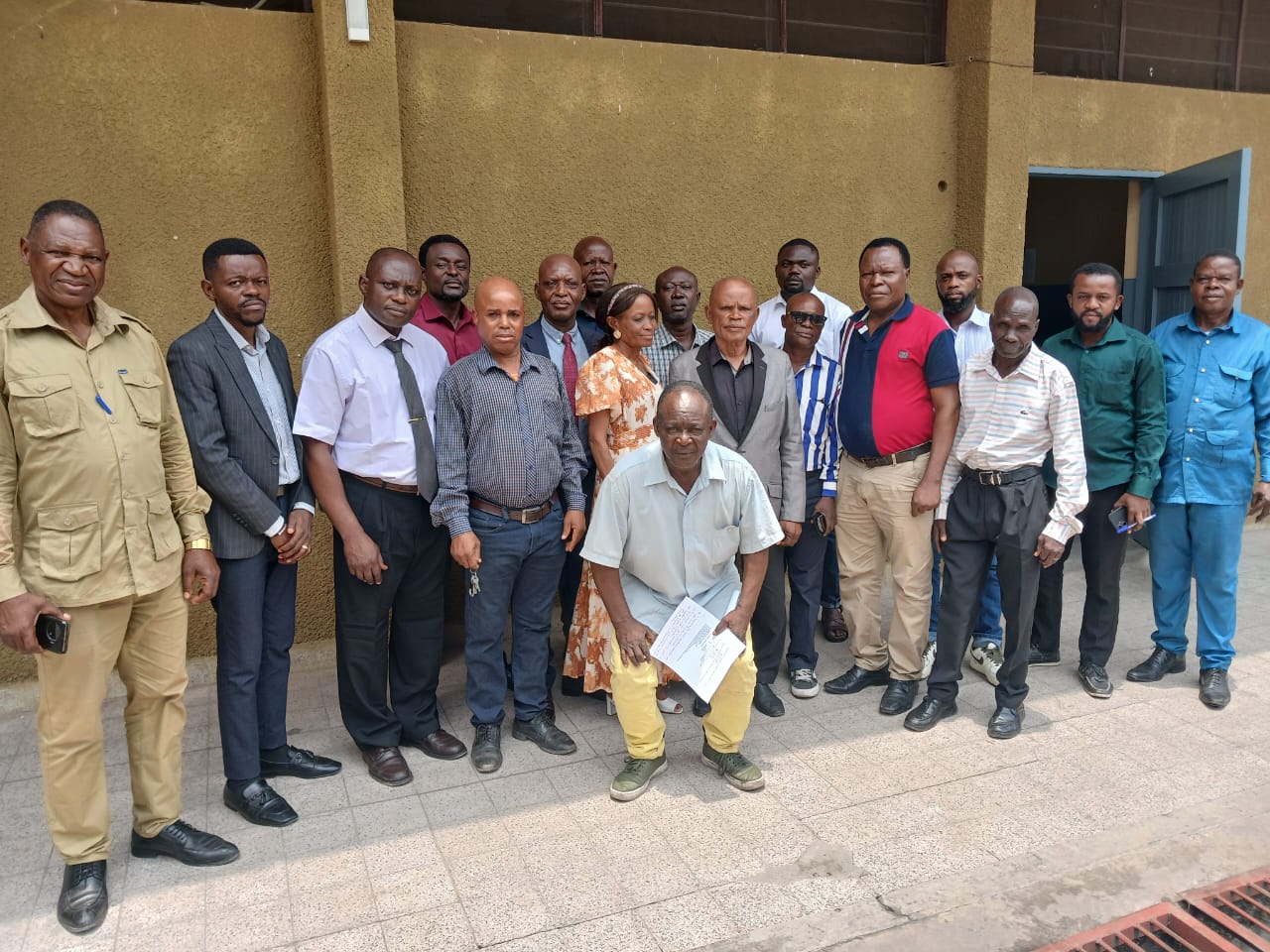
He made this announcement on Monday, May 22, 2023, in Mbanza-Ngungu, in Kongo-Central, during a workshop on integrating the sexual and reproductive health component into the National Curriculum for Special Education.
Minister Tony Mwaba reminded the audience that the tools produced by the National Program for Specific Subjects in Special Education must serve all students without distinction.
“These important tools are intended for the education and training of all Congolese children without exception. Unfortunately, a significant portion of our youth, due to certain disabilities, have specific needs that require differentiated teaching methods and adapted tools to ensure adequate education,” he stated.
According to the head of the EPST, these lessons addressing sexual and reproductive health issues often neglect the needs of students with disabilities or other stigmatized conditions, making them particularly vulnerable to risky sexual behavior, as well as sexual exploitation and coercion.
“It is because of their vulnerability and communication difficulties that children living with disabilities face several sexual and reproductive health issues, including sexual violence, early and unwanted pregnancies, and hygiene during menstruation. Hence the need to address this as quickly as possible,” he emphasized.
Specialists from the EPST’s Special Education Directorate are therefore called upon to strengthen their collaboration with other experts, including those from the United Nations Population Fund (UNFPA), to develop more tailored programs.
Vulnerable and disabled individuals face difficulties accessing sexual and reproductive health care.
According to a study conducted in 2022, people with disabilities face several obstacles, notably a complete lack of understanding of their specific needs.
This qualitative study, based on interviews with key informants (service providers, people with disabilities—including those who are hard of hearing, have limited mobility, or are blind—and others), was commissioned by Option with support from Wish to better understand access to SRH/FP services. It includes several recommendations.
Chouquette Bombula