Actualités
16 April 2026

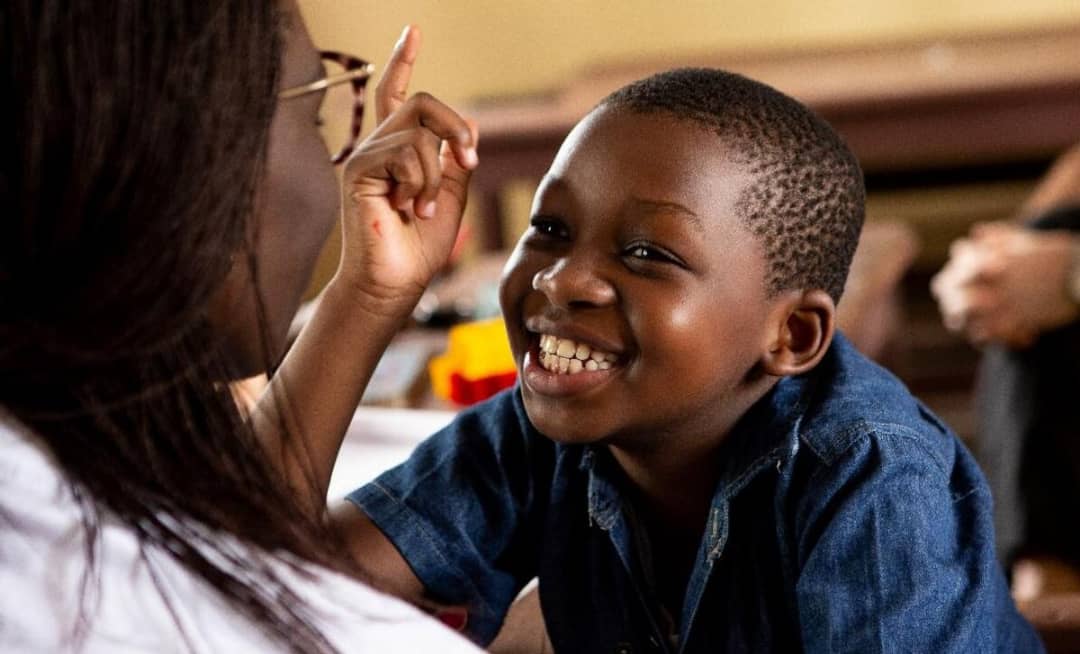
Autism is not a foregone conclusion. It is possible to help children with autism spectrum disorder make progress through educational and behavioral therapies, as well as through their inclusion in mainstream schools. This specific disability requires tailored educational support.
An international day has even been set aside every April 2 to raise awareness for people living with this condition. The methods used must be recognized as effective, especially for the education of children living with autism.
Indeed, students with autism spectrum disorders (ASD) may face specific learning and adjustment difficulties that require qualified monitoring and support to enable them to progress and learn.
This is why the Ministry of Primary, Secondary, and Technical Education (EPST) organizes special education to support students with disabilities.
There are two types of support for students with autism. Special education is provided for those with an IQ below average, while mainstream schooling is offered to those with an IQ within the average range but with the assistance of multidisciplinary teachers. An individualized education plan is implemented to prepare them for independence, he added.
The inclusion of students with autism spectrum disorder (ASD) in mainstream schools frequently requires specific support provided by specialized staff.
"Most cases are identified by teachers in mainstream schools, followed by meetings with parents and specialists who make a diagnosis to determine the support the child will need," said Patrice Mulongo, the official in charge of special schools at the EPST General Secretariat.
For her part, Jessica Ikete, a speech-language pathologist, is a strong advocate for inclusive education.
According to studies, she explains, inclusive schools allow students with disabilities to progress much more quickly and enable neurotypical students to develop better skills thanks to those with disabilities.
Even for the teacher, they will be forced to adapt their teaching methods to the student with a disability, and this would make them even better at their job.
"I’m not saying that special education schools are bad, but I want a special education class within a regular school," she says.
With her inclusive school pilot project, she has established an integration class that supports children with difficulties after regular classes.
"I supervise the educators to provide language rehabilitation stimulation. For example, learning to communicate using codes or gestures. They learn basic skills: reading, writing, and when they don’t adapt easily, we turn to sports, music, art, and also individual sessions because children with special needs always need to be monitored by healthcare professionals,” she continued.
Special education schools are calling for more resources to care for students with autism. This is despite obstacles such as a shortage of specialists for all types of disorders.
However, there is a positive development with the advent of free education. Special education teachers now receive fair pay comparable to that of general education teachers, reassures Patrice Mulongo, who also advocates for a specialization bonus for caring for autistic students.
World Autism Awareness Day was established by the United Nations in 2007 to raise public awareness of autism spectrum disorder (ASD) and promote the inclusion of people with autism in society. This day is celebrated annually on April 2.
Déborah Kabuya
Filter by structure or document type to find the right content.



For any report or information related to national education and new citizenship, call 178