Actualités
16 April 2026
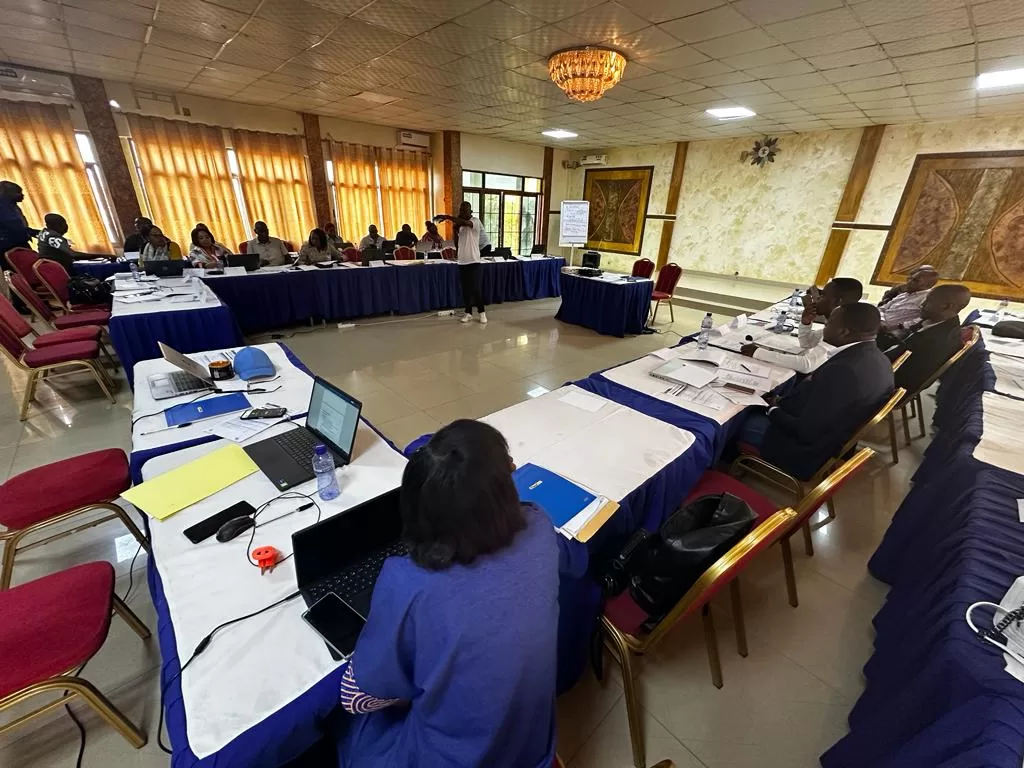
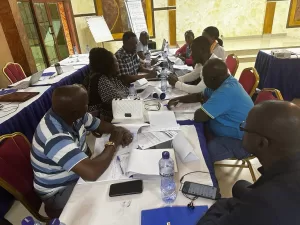
Nearly 40 experts from the national education sector, officials from the central administration of the Ministry of Primary, Secondary, and Technical Education (EPST), and civil society representatives are participating in a preparatory workshop for training school principals, School Management Committees (COGES), and Parent Committees (COPA) on procedures for managing operating funds allocated to schools by the public treasury.
The workshop has been taking place since Friday, August 11, 2023, for a duration of six days, in Kisantu, Kongo Central, with the support of the Project for Equity and Strengthening of the Education System (Perse), backed by the research firm Circle for Reflection and Support for the Sustainable Development of Grassroots Initiatives (CERDI-BAS) and the Center for Studies and Management of Development in Africa (CEDA).
Three-stage training
The Ministry of Basic and Secondary Education (EPST), which is organizing these training sessions through the PERSE Project Coordination Team (ECP), has structured the program into three phases.
The first stage consists of training the trainers of trainers at the national level. This activity has just begun today in Kisantu. It will last six days.
The second phase involves training provincial trainers. This phase will be conducted by national trainers from the Kisantu group. This second training phase will cover all provinces included in the PERSE program.
The third and final phase will involve school principals, members of school management committees (COGES), and members of parent committees (COPA). This final phase will be conducted by provincial trainers.
Note that this program is scheduled to take place during August and September 2023.
"Integrated Training"
It is important to note that the cascade training sessions are designed with a holistic approach, covering not only the management of operating costs but also the Complaint Management Mechanism (MGP), the management of the school environment in terms of hygiene, health, and safety, as well as concepts of civic engagement. Hence the preferred and appropriate term “Integrated Training” adopted by Perse.
Integrated training also serves, through its three aspects—CMM, the school environment, and civic engagement—to inform and raise awareness about the concept of a safe and inclusive school, which reinforces the management of operating costs.
In the era of free primary education decreed by the Congolese government (effective since September 2019), the focus on the governance of the education system has taken on a whole new dimension.
The allocation of operating costs: an alternative for implementing free primary education
Indeed, by aiming, through free primary education, to reduce the cost of school fees in the budgets of poor households in order to guarantee access to education for all Congolese children, the government has devised a genuine alternative measure to implement its policy, namely: the allocation of operating funds to schools.
These funds were previously collected in large part by schools from the fees paid by parents.
In its financing agreement for free primary education with the World Bank (which led to the implementation of the Perse Project), the Government made seven (7) firm commitments to ensure the sustainability of free education, notably the commitment regarding the equitable distribution of operating funds to schools.
This commitment stems from the fact that the previous allocation of operating costs was so meager and their management showed a glaring lack of best practices such as transparency and accountability.
To address the challenges of implementing a reform that brings about change in the governance of the education system, the government has opted to significantly increase operating costs for schools—in line with available resources—and to develop a management module for operating costs.
Driven by the 5th commitment—or, in the technical terms of the project, the 5th Disbursement-Linked Indicator (ILD 5)—the Project Coordination Team (CEP) and the General Secretariat of the EPST, through its relevant directorates, the Directorate of Administration and Finance (DAF) and the National Directorate of Teacher Control and Payroll (DINACOPE), have, over the course of a lengthy process, developed a formula for calculating operating costs to ensure the equitable distribution of these public funds.
They have also developed a manual of procedures for managing these costs.
The formula for calculating operating costs identifies four categories of schools, which are:
- Schools with 5 to 11 classrooms;
- Schools with 12 to 19 classrooms;
- Schools with more than 19 classrooms and schools of excellence or prestige.
An appropriate allocation of funds is set aside for each category to ensure the school operates properly.
The operating costs management manual contains procedures for using the funds made available to schools to ensure consistent management practices across all educational institutions.
What You Need to Know About the PERSE Project
The PERSE project supports the implementation of certain provisions of the 2016–2025 Sectoral Strategy for Education and Training that contribute to the consolidation of free primary education. PERSE is implemented with financial support from the World Bank, a portion of which is paid directly to the public treasury. The project covers ten provinces across the country and spans five years.
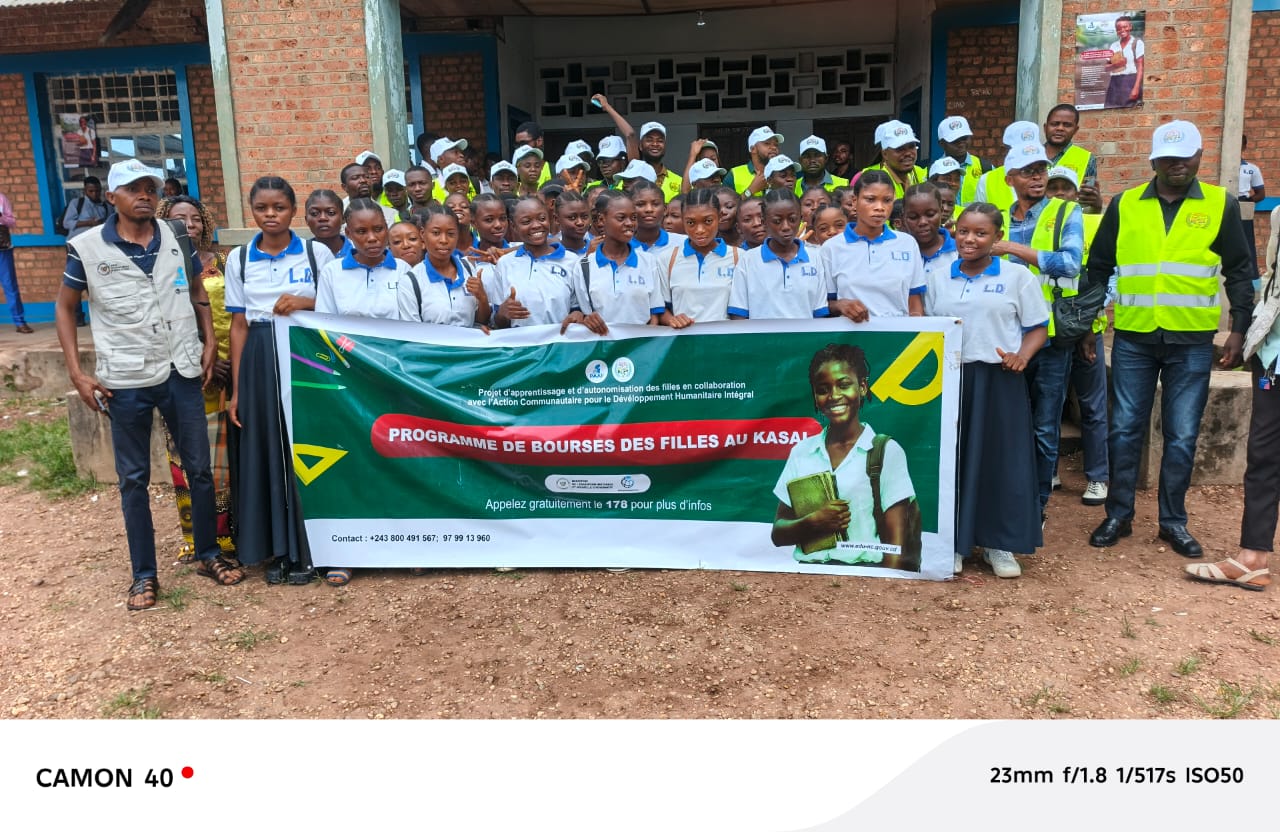
To date, it has enabled the Government to reintegrate more than 2 million children into the education system, allowed the Ministry of Basic and Secondary Education (EPST) to establish the MGP with its toll-free call center at 178, and ensured that primary school teachers sign a commitment to the code of conduct for teaching staff—to name just a few of these verified and certified results.
Fleury Dala
Filter by structure or document type to find the right content.



For any report or information related to national education and new citizenship, call 178