Actualités
16 April 2026

The Education Quality Improvement Project (PAQUE) has been supporting the government of the DRC since 2017 in implementing reforms in the primary, secondary, and technical education (EPST) subsector. This support is also intended to strengthen the management of the EPST, in accordance with the project’s second component. It is this component that we focus on in this second part of the series of articles in which we highlight PAQUE’s achievements.
This component comprises three subcomponents, namely: the institutionalization of standardized assessment of student learning outcomes, governance and academic support, and, finally, support for girls’ enrollment in school.
Regarding the first subcomponent, thanks to PAQUE, the Independent Unit for the Assessment of Academic Achievement (CIEAS) has become operational. This unit conducted a “pilot” assessment of academic achievement in 2021. This assessment focused on basic reading and mathematics skills among students in the second and fourth grades of primary school. This was followed by the baseline assessment conducted by this newly created body, notably with the establishment of 17 provincial committees.
Regarding the second sub-component on governance and academic support, the NGO “CORDAID” was contracted to assist the Ministry of Basic and Secondary Education (EPST) in implementing the “Performance-Based Financing” (PBF) approach in the management of the education system. Several reports were submitted.
Among these reports, we can first cite the verification of the performance results of the PBF Technical Support Unit for the first and second semesters of 2019. Second, the summary of the residential design workshop and the update of certain PBF Approach documents. Third, the final report of PAQUE sub-component 2.2. The Ministry’s intervention strategy was developed and validated by the Ministry itself and its partners.
Among other achievements, we can also list the capacity building of the PBF Technical Support Unit, the PBF Working Groups (WGs) and Project Management Groups (PMGs), the development and dissemination to users of PBF implementation tools, the establishment and operation of the PBF-PAQUE web portal, the selection, training, and operationalization of 5 Results Verification Agencies (AVR), the selection, training, and operationalization of Local Associations (ASLO), dissemination of the education system’s eligibility chain in 9 administrative provinces using the PBF approach, enrollment of 1,350 schools in the PBF, their training, and their commitment to PBF (through the AVRs).
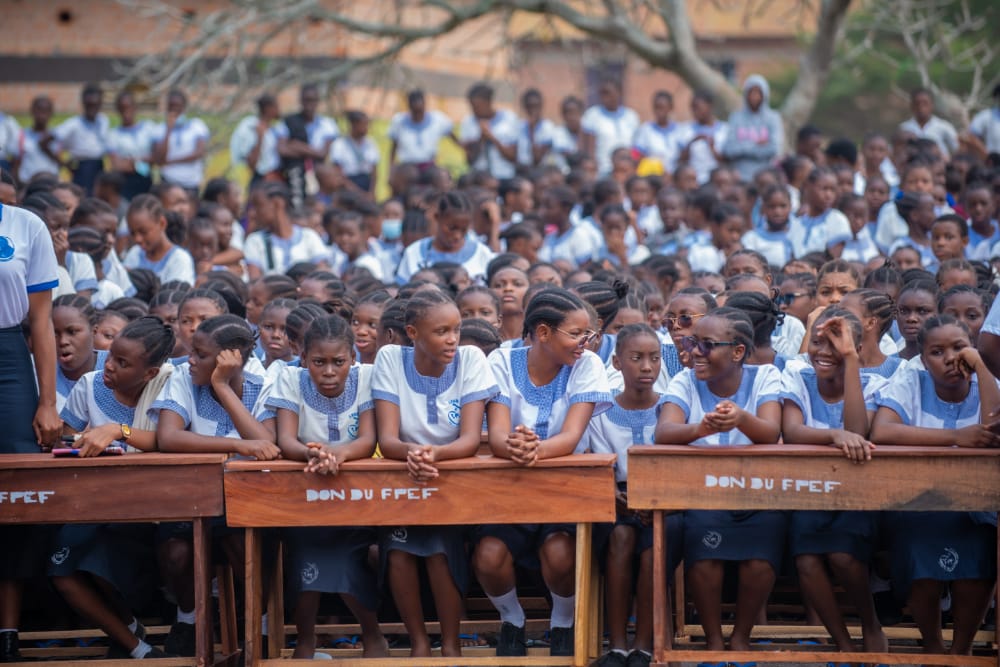
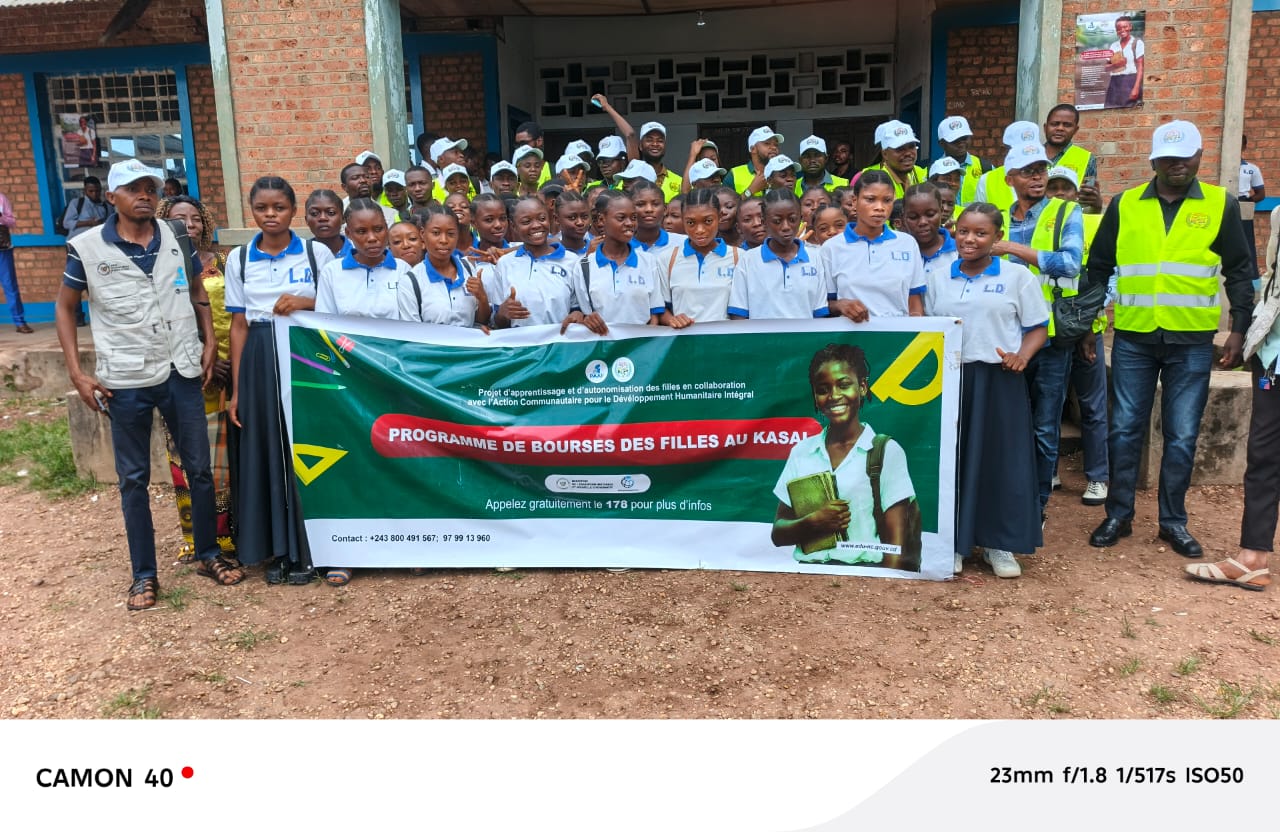
Through the “Support for Girls’ Education” sub-component, PAQUE supported the Directorate of Daily Life Education (DEVC) in developing a training module for national and provincial trainers on Gender-Based Violence in School Settings (GBVSS). As a result, 880 out of the 900 planned community and religious leaders were reached. With this in mind, core groups of provincial trainers from the six provincial capitals were trained on the prevention of GBV in schools, with an emphasis on GBV concepts.
Thierry MBEBANGU
Filter by structure or document type to find the right content.



For any report or information related to national education and new citizenship, call 178