International Day for the Elimination of Racial Discrimination: Afro-descendants struggle on

International Day for the Elimination of Racial Discrimination: Afro-descendants struggle on

Actualités
22 March 2024
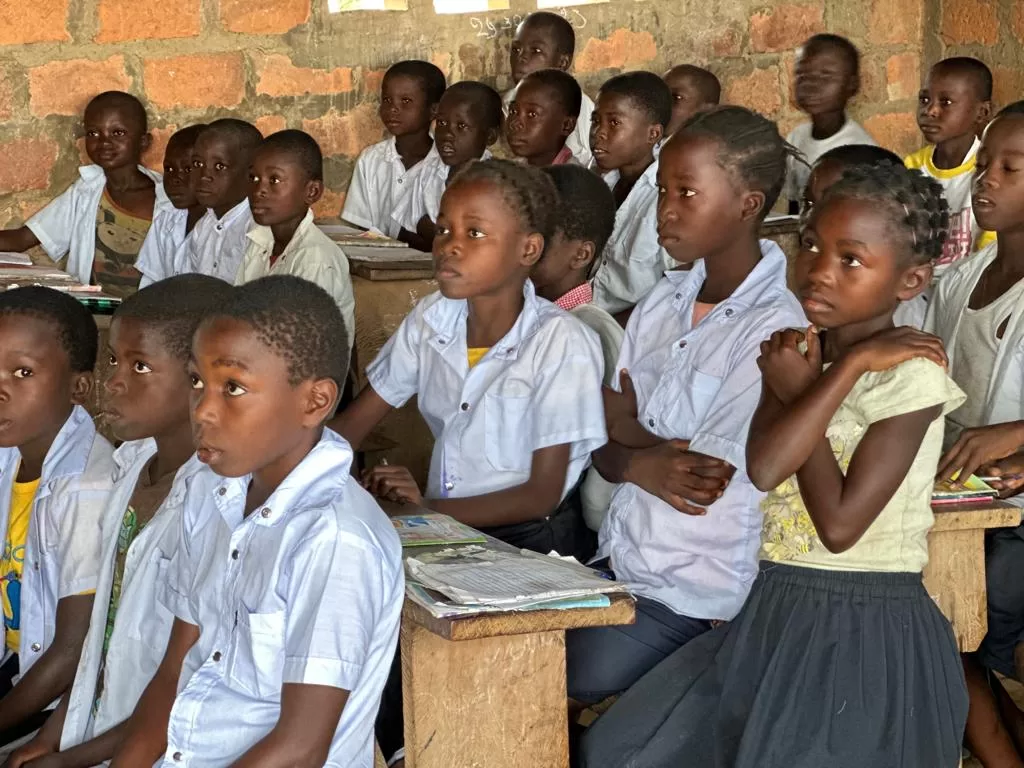
Every March 21, the international community celebrates the International Day for the Elimination of Racial Discrimination. This year’s theme is “A Decade of Recognition, Justice, and Development: Implementing the International Decade for People of African Descent.” This theme is part of the celebration of the International Decade for People of African Descent. This initiative, spanning from 2015 to 2024, highlights the profound impact that discrimination has had on interracial relations. By proclaiming this Decade, the international community “recognizes people of African descent as a group whose human rights must be promoted and protected.” In fact, approximately 200 million people who identify as being of African descent live in the Americas. Millions more live in various regions of the world outside the African continent. In Africa, this issue is present in countries that experienced settler colonization, such as Mozambique and South Africa. In South Africa, people of color were despised in all areas of life. The racist authorities of that era established a system of segregation known by the grim name of “apartheid.” This racist regime forced young South Africans to take classes in the local language rather than learning international languages that would open doors to better opportunities. It was in protest against this injustice that the infamous massacre took place in Sharpeville. Two-tier education system in the DRC In the Congo, the problem of racial barriers existed during colonization. The Catholic Church at that time organized a two-tier education system. One school for the white community used the metropolitan curriculum with the goal of training educated, responsible individuals capable of thriving and contributing to development. The other educational system consisted of a school for the Black community. The objective of this education was to provide rudimentary instruction, intended to make Congolese people capable of performing the tasks assigned to them by white people. The rise to power of the coalition of liberals and socialists in Belgium in 1954 brought about a major change. A relentless struggle led to the abolition of this two-tier education system. This culminated in the creation, on April 30, 1953, of a network of official schools for indigenous children, where education pursued the same objectives as those of schools for the white community. The EPST Against Discrimination of Any Kind In the Sectoral Strategy for Education and Training (SSEF), the EPST emphasizes the promotion of education open to all. One of the missions of the Directorate of Education for All (DTP) is to promote access to education for all children, without distinction. The International Day for the Elimination of Racial Discrimination is celebrated each year to commemorate the day in 1960 when, in Sharpeville (South Africa), police opened fire and killed 69 people during a peaceful demonstration against the pass laws imposed by apartheid. While this tragic event marked a turning point and ultimately enabled South Africa to begin its transition toward democracy and equality, the fight against racism remains relevant today. Alain H. Kinanga

Browse all publications

Filter by structure or document type to find the right content.

Telephone — hotline

For any report or information related to national education and new citizenship, call 178

Allo École