“
We must act now to reverse the trend and bring more girls into technical fields.” This is the call to action from Mathilde Inzun On’sak-atom, Director of the National Student Identification Service (SERNIE), to stem the decline in girls’ enrollment in technical programs.
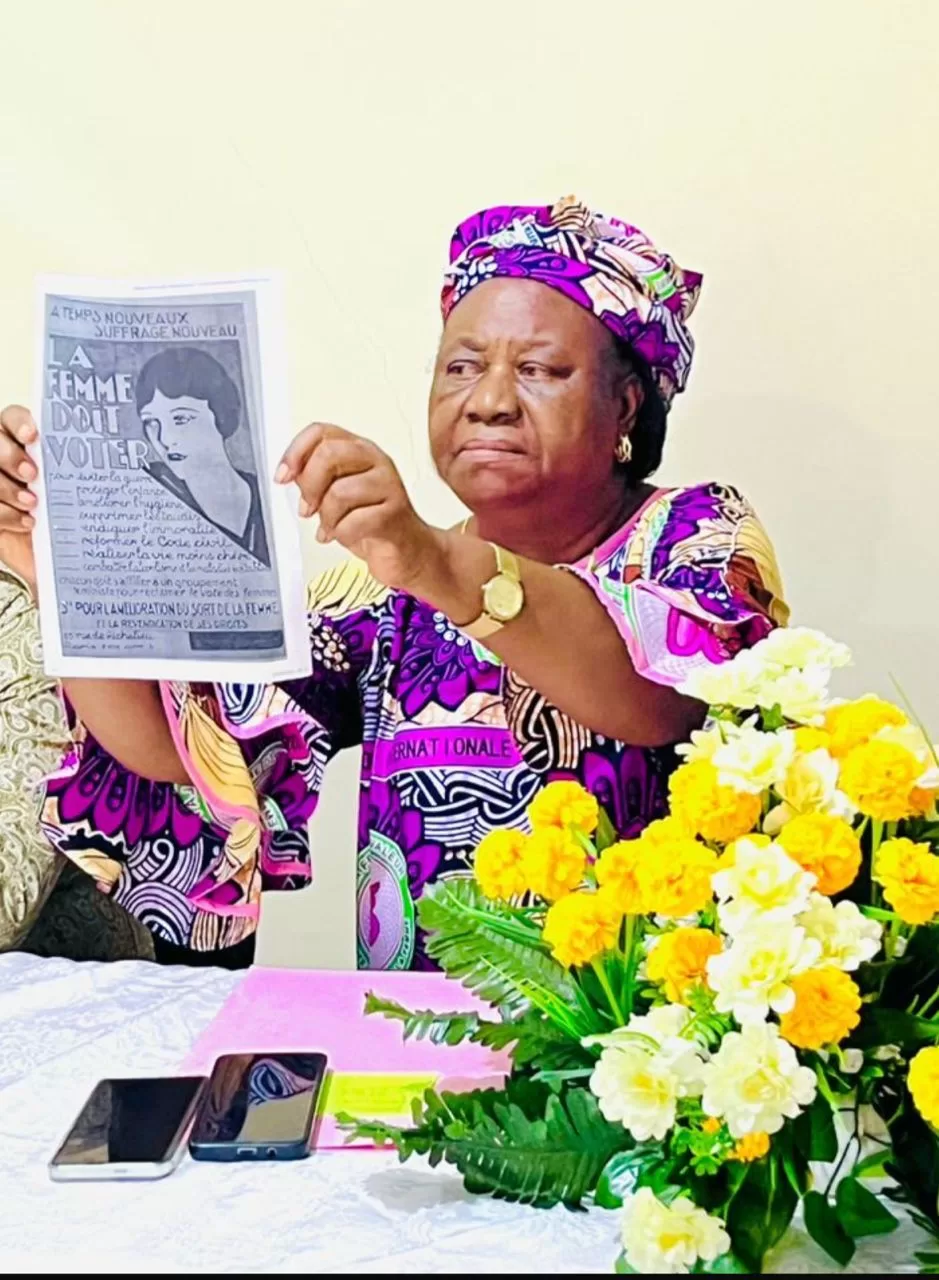
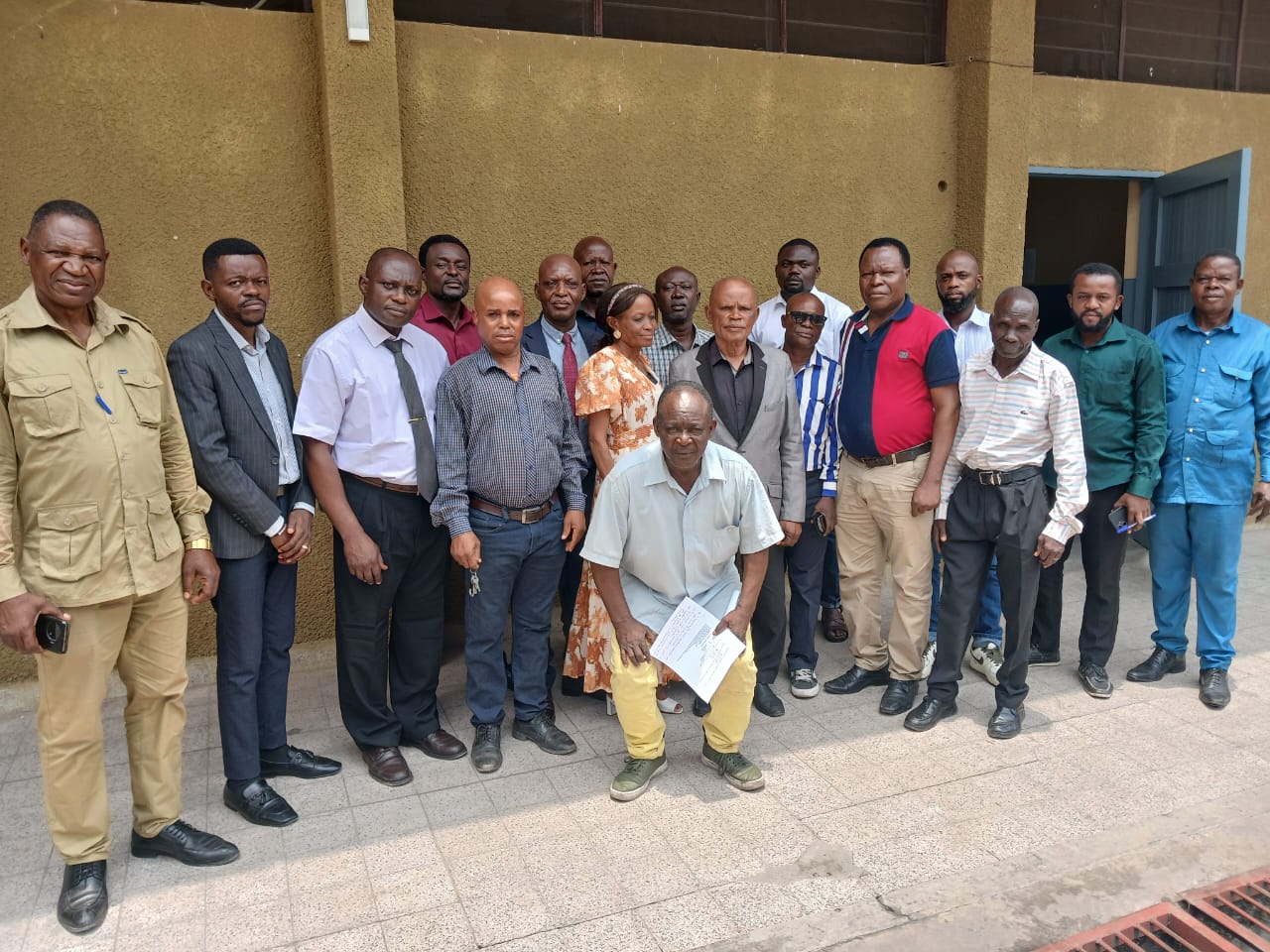
During a morning discussion organized by her department on women’s rights on Tuesday, March 12, 2024—in conjunction with International Women’s Day celebrated on March 8—Mathilde Inzun On’sak-atom emphasized that the belief that technical fields and girls are incompatible is a widely outdated prejudice.
She believes that girls should increasingly be steered toward technical fields through scholarships and half-tuition coverage to contribute to women’s fight for gender parity. A petition will be submitted to political authorities.
“The petitions we have drafted will be addressed to political authorities and those within the ministry. We are calling for effective gender parity, for girls to be steered toward technical fields, for scholarships to be granted to them, and for them to have the privilege of paying only half of all required fees. Girls are deserting science fields: let’s take action!” she urged.
Only work can liberate women.
Mathilde Inzun On'sak-atom did not fail to raise awareness among the women in her department, highlighting the circumstances that contributed to her promotion to guard. She was promoted because of the hard work she had imposed on herself.
“I am glad that the women of Sernie are committed. In my department, there are very few women in various leadership positions. I have called on them to be mindful of their work,” she said.
After more than a century of struggle, inequalities still remain!
Earlier, the lawyer and legal assistant in charge of litigation at the Teachers’ Health Mutual Fund of the Democratic Republic of the Congo, MESP, Marie-Ocktavia Kumisa Luete, had spoken with male and female staff members of that department, particularly about the origins of International Women’s Day and issues related to women’s rights. This day, she recalled, dates back to the labor struggles and women’s demonstrations at the turn of the 20th century in North America and the United Kingdom. Women, she said, have the right to live free from violence and discrimination, the right to the highest attainable standard of physical and mental health, the right to education, the right to own property, the right to vote, and the right to equal pay.
“But, all over the world, many women and girls are still victims of discrimination based on sex and gender. Gender inequalities underlie many issues that disproportionately affect women and girls, such as domestic and sexual violence, lower wages, lack of access to education, and inadequate healthcare. For many years, women’s rights movements have fought tirelessly against these inequalities, campaigning for legal change or taking to the streets to demand respect for these rights,” she emphasized.
Investing in women is a human rights imperative and the cornerstone of an inclusive society. Progress for women benefits everyone. In this regard, the Ministry of Primary, Secondary, and Technical Education supports and encourages female students to pursue technical fields.
Dan de Dieu Kayanda & Nodriche Kasai