Actualités
16 April 2026

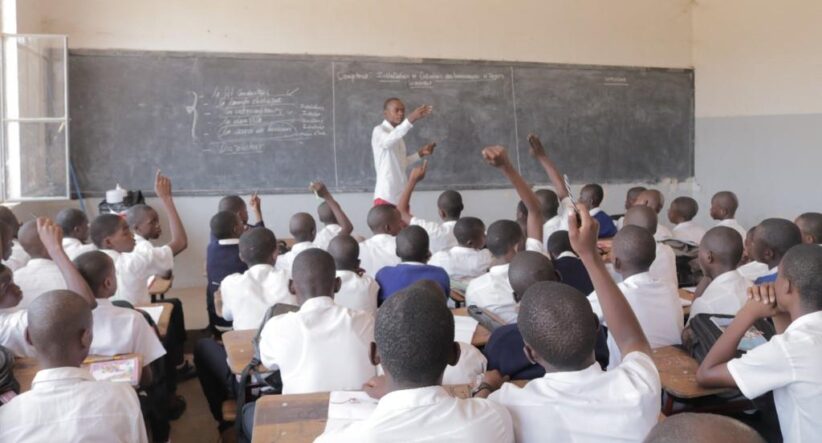
The professionalization of teacher training and the implementation of an 8-year basic education system are two of the ten priority reforms outlined in the 2016–2025 Sectoral Strategy for Education and Training.
Since 2019, the Ministry of Basic Education, Secondary Education, and Technical and Vocational Education (EPST) has been conducting a review of the initial training of teachers for the first six years of basic education.
This review resulted in the production of a package of six documents and the development of a training program for teachers of the first six years of basic education in institutions known as Institutes for Teacher Training (IFME).
It was the Deputy Minister of EPST, Aminata Namasia, who officially launched the validation of these documents on the reform of initial teacher training, the transitional program for the renewed humanities curriculum, and the teacher training program at IFMEs.
This took place during a colorful dual ceremony held on Thursday, December 1, 2022, at the Cercle de Kinshasa in the Gombe district. The first part of the dual ceremony consisted of the installation of the National Technical Committee for Rationalization, as part of the administrative, financial, asset, and human resources reform being carried out by the Ministry to permanently establish free primary education, as decreed by the President of the Republic in 2019.
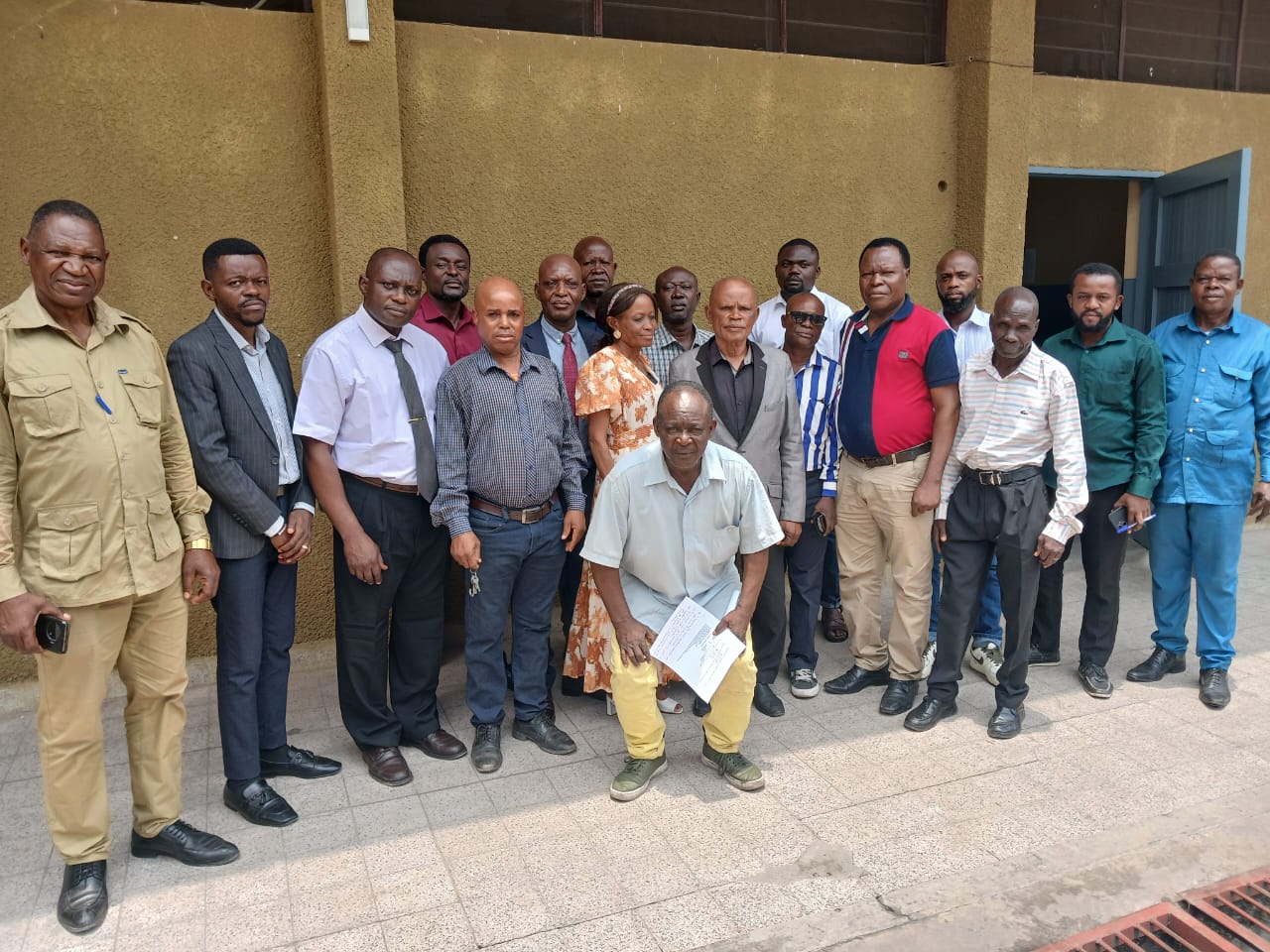
Senior officials from the EPST’s central and provincial administrations, led by Ms. Mathilde Inzun On’Sakatom, Director-General of Services, representing the Secretary General, along with representatives of technical and financial partners and experts from projects currently underway at the EPST—notably PAQUE and PERSE—honored the ceremony with their presence. The delegates from these various groups were not merely participants; most of them have contributed substantially to the immense task of reforming the initial training of teachers for the first six years of basic education.
This effort was led administratively by the Directorate of Teacher Training and Administrative Offices (DIFORE-BG), which established the Initial Teacher Training Task Force, supported by international experts from the Bureau of Curricular Support for Education Systems (BACSE Inc.). The United Nations Educational, Scientific and Cultural Organization (UNESCO), the PAQUE project, and the Permanent Secretariat for Support and Coordination of the Education Sector (SPACE) provided technical and financial support for the Task Force’s work on behalf of the MEPST.
It is fitting that, in the presence of other participants and the invited press, Ms. Wali Belade, Deputy Coordinator of PAQUE, proudly highlighted this contribution from the five-year project she led, which concludes on December 31, 2022. PAQUE’s impact is now indelible.
The representative of the UNESCO office in Kinshasa, Isaias Barreto Darosa, praised Minister Tony Mwaba Kazadi’s determination to revitalize the Congolese education system through the support of technical and financial partners and other stakeholders working in this sector.
For his part, Alexis Yoka, Director-General of Services at DIFORE-BG, noted that the development of the professional framework for teachers takes into account the conditions under which Congolese teachers work, emphasizing that the Task Force has adapted the reform to make it suitable for the Congolese context. He noted that these educational resources produced by the Teacher Training Task Force are of great importance and will be validated in the National Plan before being handed over to stakeholders in the Congolese education system for pilot testing. He also indicated that the launch of the transitional program for the renewed humanities curriculum could take place as early as the start of the 2023–2024 school year. Director Yoka expressed his hope that every educational operator would give their best and monitor the pilot phase to ensure an objective evaluation before the reform is rolled out nationwide.
The Deputy Minister found the right words for all the stakeholders involved, commending their efforts while paying tribute to the President of the Republic, who has laid the groundwork for the transformation of the education system through his pro-education political will. As part of the ritual marking the launch of the validation process, the UNESCO Representative, on behalf of the Task Force, presented the educational resources to the Deputy Minister. In turn, the Deputy Minister officially entrusted them to the care of Ms. Inzun, the representative of the Secretary-General, for receipt and to begin the final stage of the process initiated in 2019. This followed a PowerPoint presentation on teacher training programs in the Renewed Pedagogical Humanities and IFME by Mr. Timothée Kazadi, Division Chief at DIFORE-BG.
Driven by the reform of initial teacher training for the first six years of basic education, teachers will now be valued more highly, and their profession will reach new heights. What a wonderful profession!
Magalie MUSSA and Maryella SULA
Filter by structure or document type to find the right content.



For any report or information related to national education and new citizenship, call 178