Actualités
16 April 2026

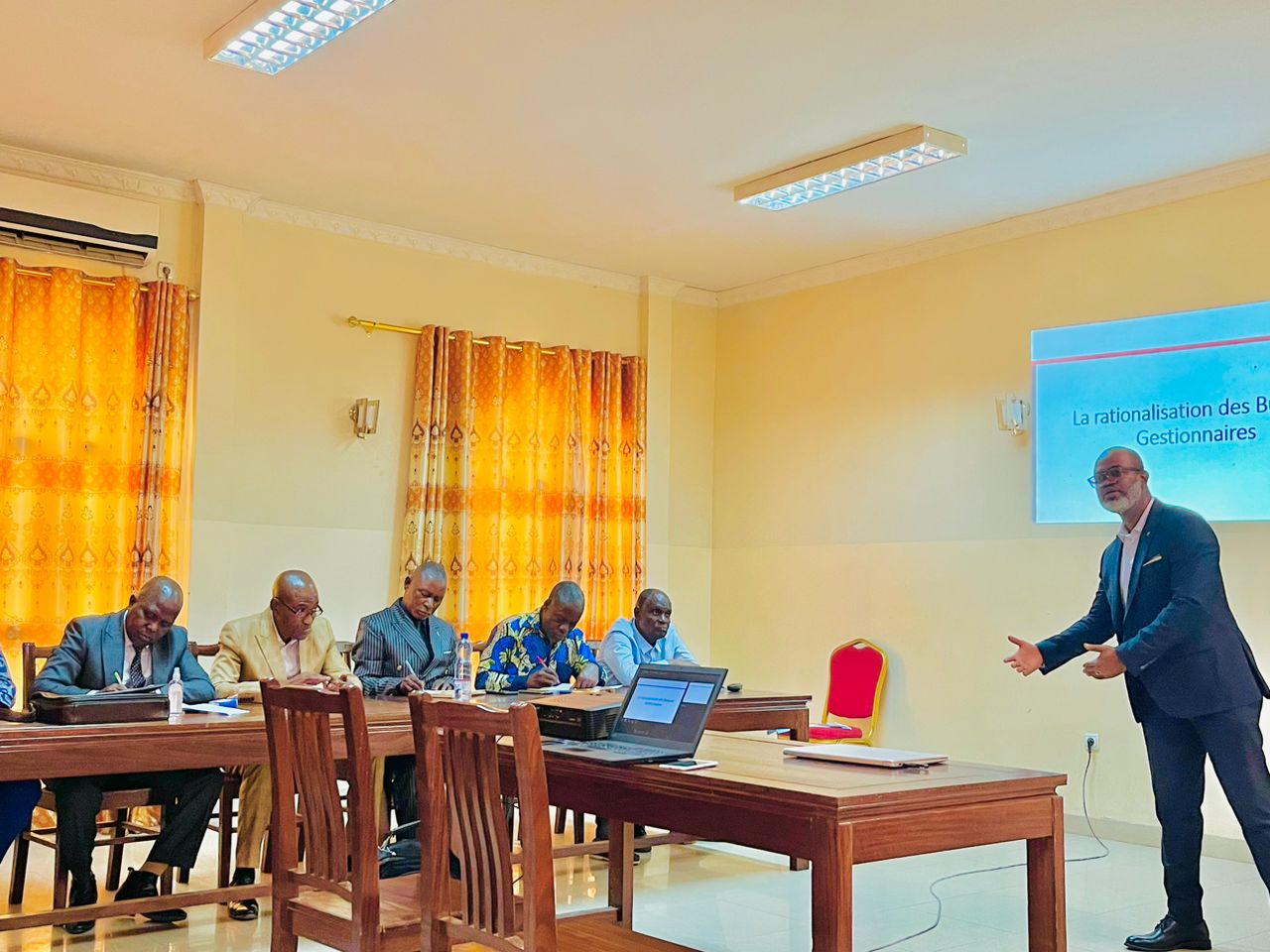
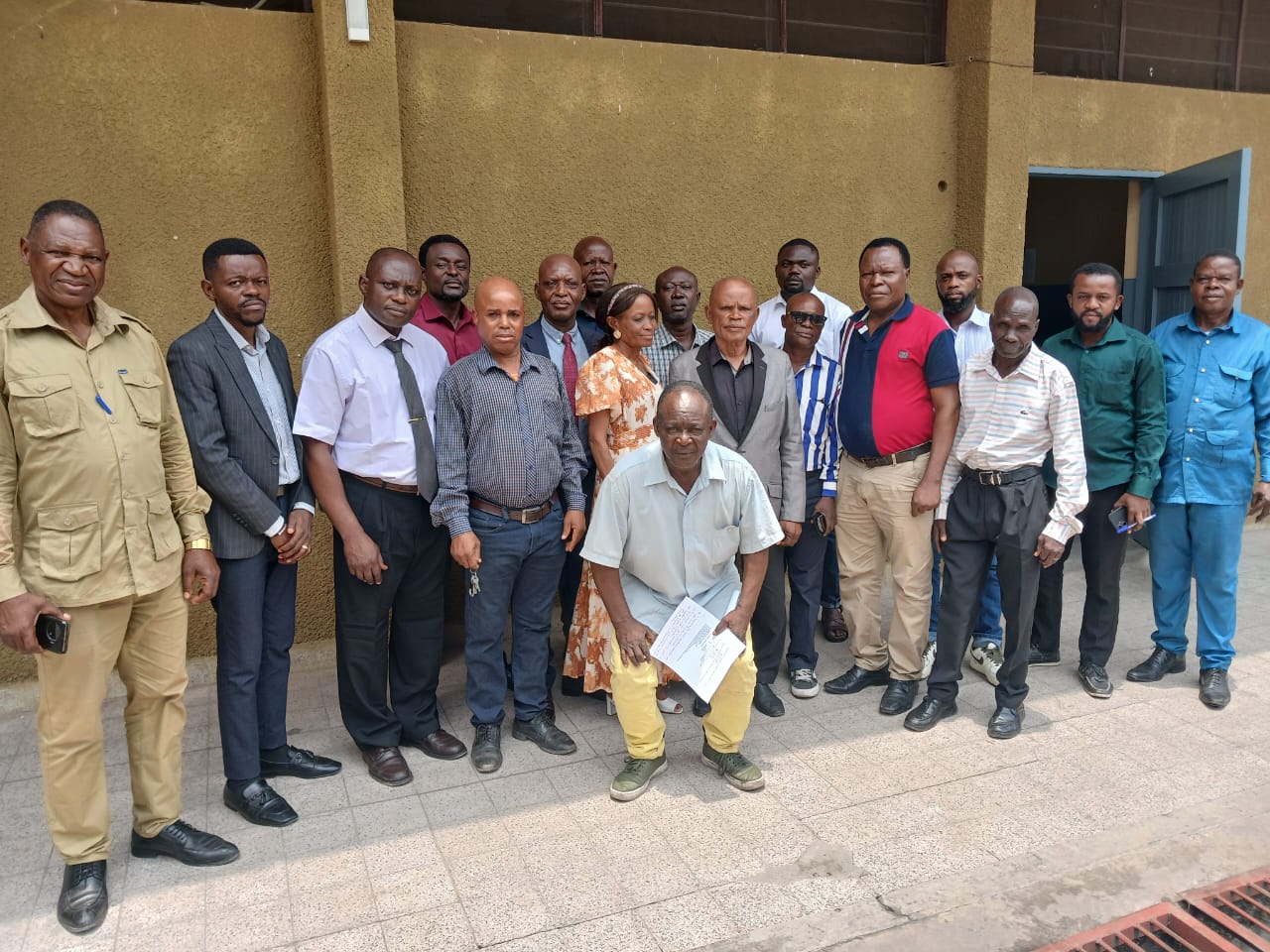
The Project for Equity and Strengthening of the Education System (PERSE) and the Directorate of Teacher Training and Administrative Offices (DIFORE-BG) of the Ministry of Primary, Secondary, and Technical Education (EPST). Civil society, parent committees, and unions were involved on this third day.
In his address, Godfrey Talabulu, a human resources specialist at PERSE, highlighted the role these partners in the Congolese education system can play in implementing this reform, which aims to support free primary education:
“You—as labor unions, parents, and civil society—have a major role to play in the success of this reform. It is you who will collect data, disseminate information, and raise awareness about the merits of this reform,” he stated.
According to this expert, “this reform aims to improve the effectiveness and efficiency of the education system,” and he added:
“Streamlining administrative offices and schools will allow us to manage staffing levels in these institutions across the entire country, and to redistribute staff from areas with excess capacity to those where there is a shortage,” he explained.
President of the National Trade Union Force, BABU BOLIMA welcomes the implementation of this reform and calls on the Ministry of Basic and Secondary Education to stop hiring new staff in administrative offices and instead streamline existing ones:
“I welcome the call for proposals. I ask that the school district map be taken into account—that is, that the realities on the ground be considered. I also ask that our input be taken into account regarding this reform to ensure its complete success. The Ministry of EPST must make bold decisions to first halt the creation of administrative offices and refrain from hiring new staff, so as to first address those already in the system,” he argued.
Valère MUNDONDO, national president of the National League of State Agents and Civil Servants (LINAFE), promises a comprehensive awareness campaign in the event of resistance to this reform:
“We support this reform, through which the Congolese state will succeed in its policy of free education. Aligning staff with organizational structures will enable their oversight, management, and payroll. If there is resistance, we will launch a strong awareness campaign and provide accurate information to the public about the rationalization of administrative offices and schools,” he assured.
Valère MUNDONDO also promises to go all the way to the highest political levels:
“As for any influence from politicians, we will begin naming those who are pressuring administrators to comply with the organizational structures that exist within the Ministry of Basic and Secondary Education,” he declared forcefully.
It should be noted that the initiative to streamline schools and administrative offices is one of the reforms outlined in the Sectoral Strategy for Education and Training (SSEF-2016-2025), a document that details various measures for the recovery of the education sector in the DRC.
Nodriche KASAI and Thierry MBEBANGU.
Filter by structure or document type to find the right content.



For any report or information related to national education and new citizenship, call 178