"The main obstacle to the development of an autistic child is parental acceptance" ( Dr. Mukau)
The main obstacle to the development of a child with autism is that parents of children with neurodevelopmental disorders often struggle to accept this reality.
However, acceptance is the first step toward creating an environment that will support the child’s development, even when certain key areas are affected.
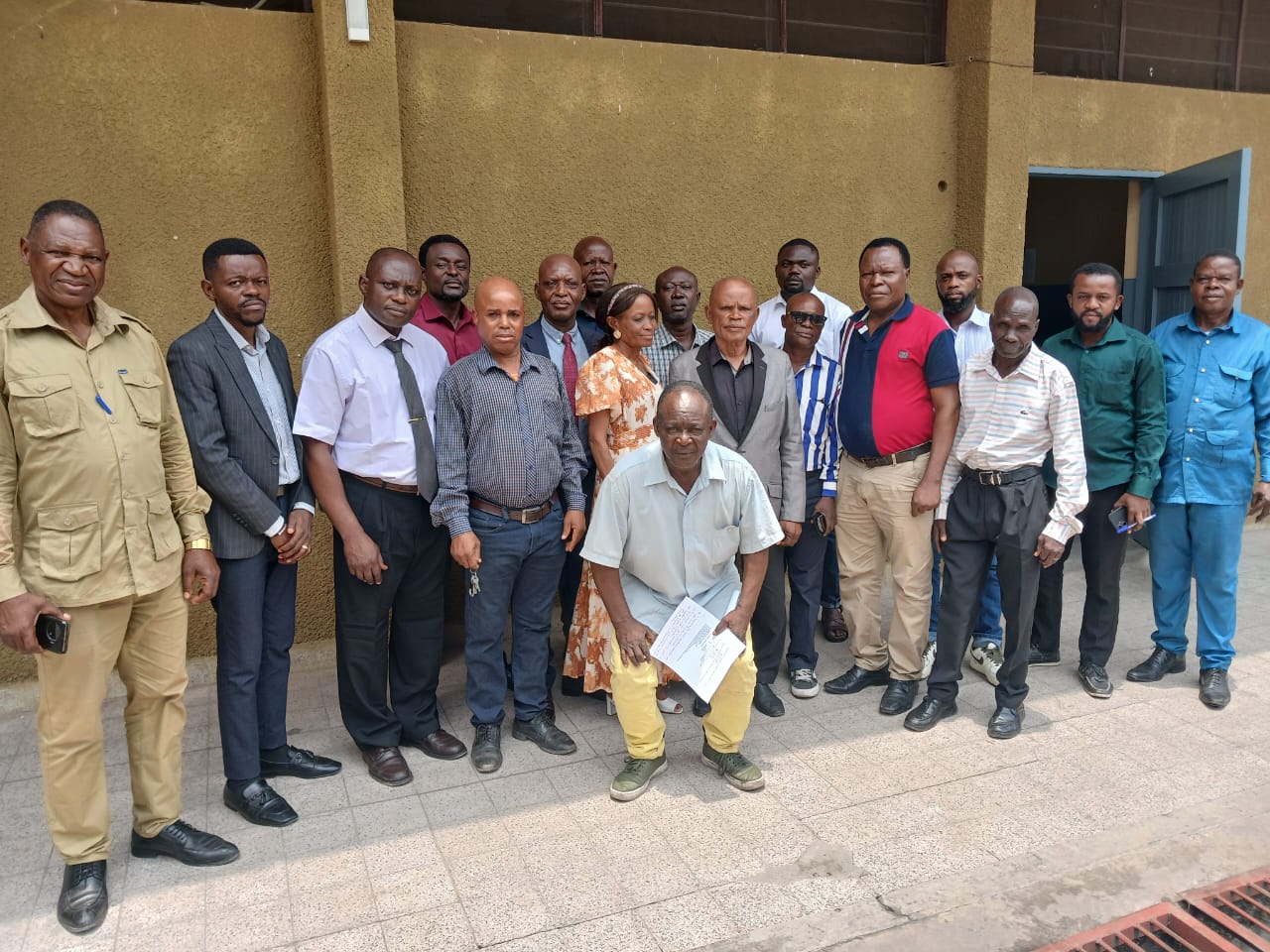
This advice comes from Professor Joachim Mukau Ebwel, an expert in health psychology.
He made these remarks during an interview with the editorial team of the EPST’s Communication Management Department.
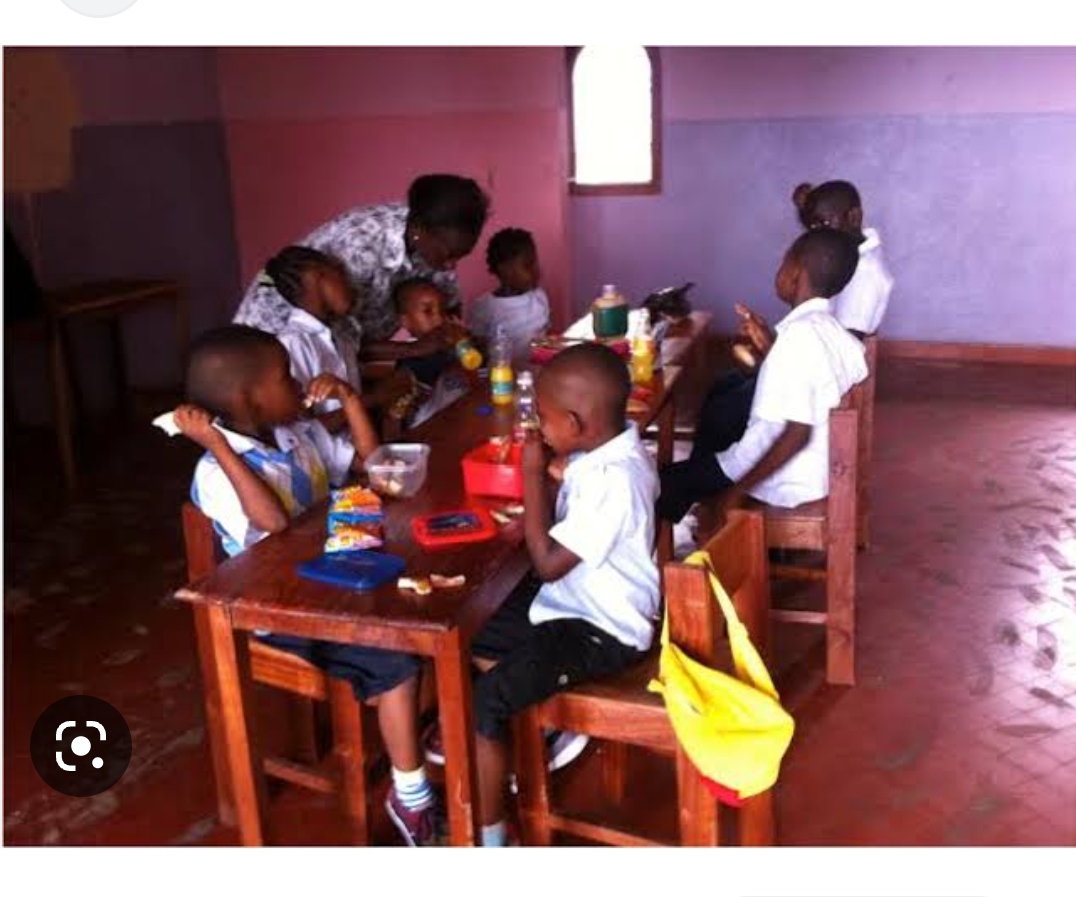
According to the director of the Center for Assessment and Intervention for Children with Intellectual Disabilities and/or Autism (CEIEHMA), early intervention for an autistic child can significantly reduce the symptoms of this disorder in the child.
“One of the difficulties an autistic child faces is, first and foremost, stigmatization. The child himself doesn’t feel it. For a child, he isn’t the problem—it’s the parents. That’s why here in Bandal (one of the districts of Kinshasa, the capital of the DRC, ed.), we organize what we call ‘inclusion,’” said the expert.
He added, “It is the parents who refuse to accept the situation and place their child in a special school. They refuse to let the child learn sign language. They fear their child will be equated with a deaf-mute. Sometimes we tell them to take it easy with the child, but some are obsessed with the idea that their child absolutely must speak because that is usually the primary concern."
A paradigm shift is needed when dealing with an autistic child to facilitate their adaptation and ensure their independence.
"The difficulty is also that, generally, parents of children with autism tend to do things for them. This includes dressing them and brushing their teeth under the pretext of loving the child, when in fact this is the wrong approach," the professor advises against.
It must be said that children living with autism tend to be aggressive.
According to the expert, this is due to the fact that they cannot understand or accept their difficulty in communicating, and also because they sometimes experience aggression from parents or their social environment due to this very difficulty that makes them different from others.
"And this can further exacerbate this behavioral disorder," he stated.
If we observe a tendency toward playfulness in some children, it is because they do not always have the ability to distinguish between objects and their uses.
“This is why you’ll see them spill food, put a pen in their mouth, and so on,” the doctor said.
The doctor also notes that there are several levels of autism and that each patient has their own strengths.
"A child with autism finds it difficult to change learned behavior. There are also children who manipulate objects in a repetitive and stereotyped manner—the remote control, for example. Some have a very sharp intelligence and can even turn on the TV, find a game that no one else could find, and so on."
The Democratic Republic of the Congo may have as many as 6 or 7 million people living with autism, a real public health issue that has not always received the necessary attention within the public health system.
"And here I am basing my assessment on WHO and UN statistics regarding this disorder, which is estimated to affect 1 in 100 people. And if there are 100 million of us in the Congo, we can estimate that there are 6 or 7 million people with autistic traits. This is a public health issue, not a social problem," he stated.
As a reminder, the world dedicates April 2 of each year to raising awareness, promoting acceptance, and defending the rights of people with autism.
This year, the celebration focused on the contributions of people with autism in personal, professional, artistic, and political spheres, with the goal of moving toward a neuro-inclusive world for all.
Cynthia Kanama