Actualités
16 April 2026

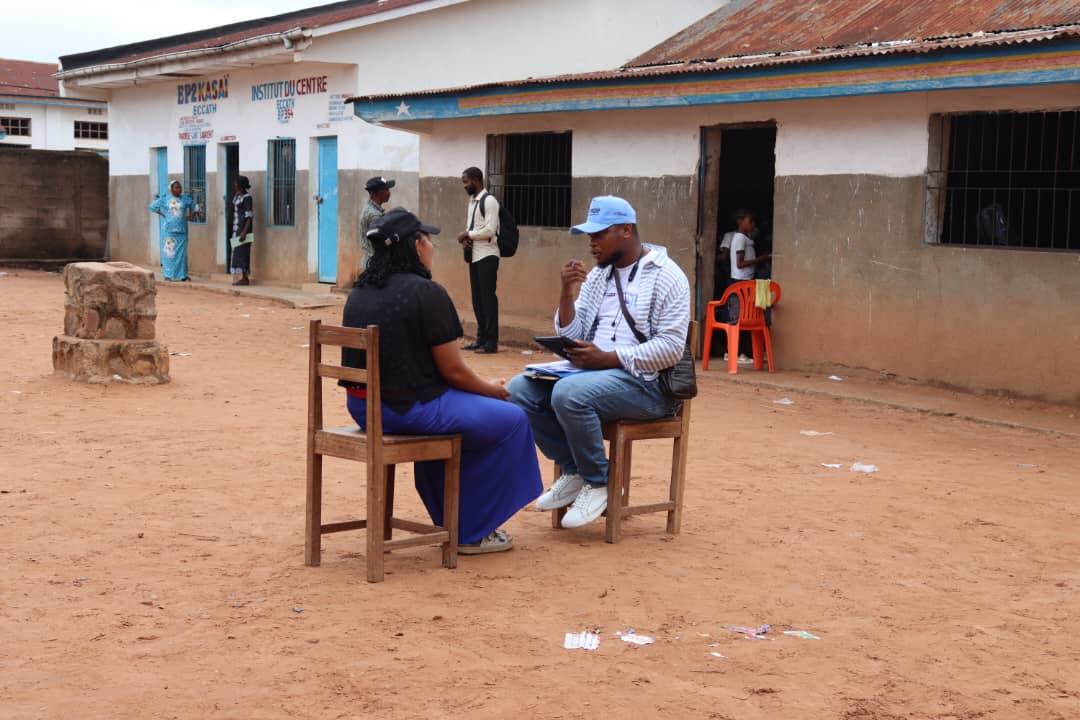
“We observe, we listen, we collect data. The goal is to understand the realities on the ground, to identify teachers’ strengths and needs in order to better guide the professional development and pedagogical support of primary school teachers.”In Tshikapa, a scene reported by the CIEAS describes an investigator who closely observed a lesson on fractions in the 5th grade. For 45 minutes, the observer took notes on behaviors illustrating the interactions between the teacher and the students. The survey also examined teachers’ and school principals’ awareness of the Complaint Management Mechanism (MGP), as well as issues related to sexual exploitation and abuse (SEA/HS).
“We cannot talk about the quality of education if the environment is not safe for the child,” noted an expert from the PEQIP Coordination Team.Among the challenges encountered, observers noted in particular the impassability of roads and the lack of adequate transportation to reach schools. Added to this are difficult weather conditions and a shortage of teaching materials.
“Despite these obstacles, the mission is moving forward without interruption,” said CIEAS National Coordinator Didier Niki Niki.According to him, this survey will enable schools to be transformed—not through trial and error, but through observation, measurement, and understanding. The next step is the analysis of field data by a team of statisticians and the publication of the final report in 2026. This will help identify training needs as part of capacity-building activities for primary school teachers and inform the indicator on teacher effectiveness scores. Deleine Diazolakana
Filter by structure or document type to find the right content.
For any report or information related to national education and new citizenship, call 178