Actualités
16 April 2026
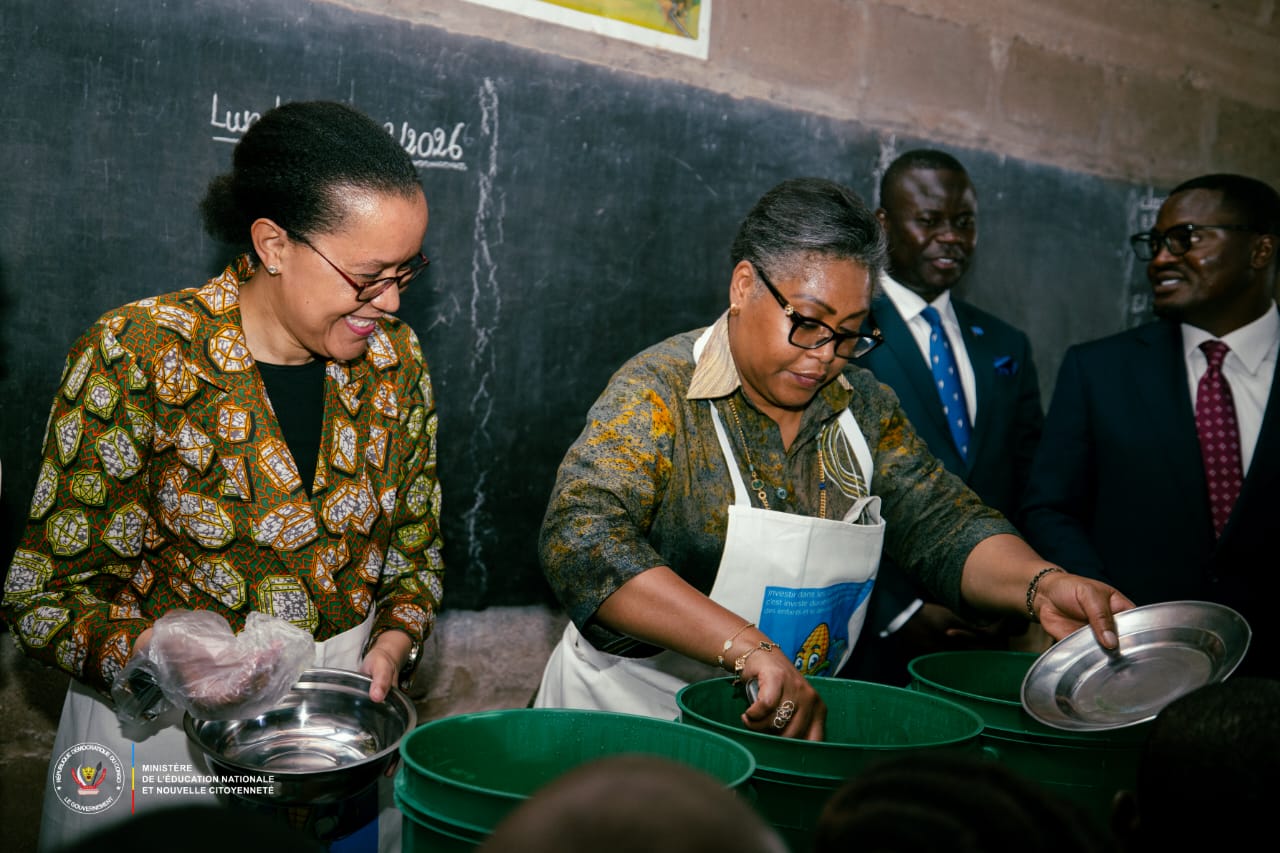
On Monday, March 2, 2026, in Kalemie, Tanganyika Province, the Prime Minister of the Democratic Republic of the Congo (DRC), Judith Suminwa, launched the national school feeding program. The ceremony took place at the Kifungu school complex to mark African School Feeding Day, which has been observed on March 1 each year since 2016.
A program in line with the Head of State’s education policy
In her remarks, Raïssa Malu, Minister of State for National Education and New Citizenship, noted that since taking office as head of state, President Félix Tshisekedi has advocated for schools accessible to all, notably through his policy of free primary education in public schools. The national school feeding program is thus part of this same initiative.
“A hungry child cannot learn. How can we demand excellence from a mind whose body is crying out for help?” asked Raïssa Malu.
She added:
“Malnutrition is not just a public health challenge; it is a glass ceiling for intelligence and a barrier to our nation’s development.”
According to her, the school cafeteria program is not merely a social measure, but rather a strategic investment in the potential of Congolese youth.
A National Strategy for 2025–2030
Furthermore, the DRC has adopted the National School Feeding Strategy 2025–2030 since August 2025. This document, according to Minister of State Raïssa Malu, “goes beyond the scope of a technical plan; it is the contract the nation signs with its youth.”
“It is based on a scientific conviction supported by the Ministry of Planning. Every franc invested in a school meal is a lever for growth. By combating dropout rates and boosting success here, we are transforming social spending into a productive investment in the DRC’s human capital,” argued Raïssa Malu.
The school feeding program will be implemented through three pillars: food sovereignty, which positions the school cafeteria as the engine of the rural economy through agriculture; health protection; and finally, sustainability through the 2030 vision, to ensure that every student, in every corner of the country, has access to a healthy and nutritious meal every day.
“To this end, we are preparing a solid legal framework so that this program becomes an inalienable right for every Congolese child,” the Minister of State emphasized.
A ceremony attended by numerous officials and partners
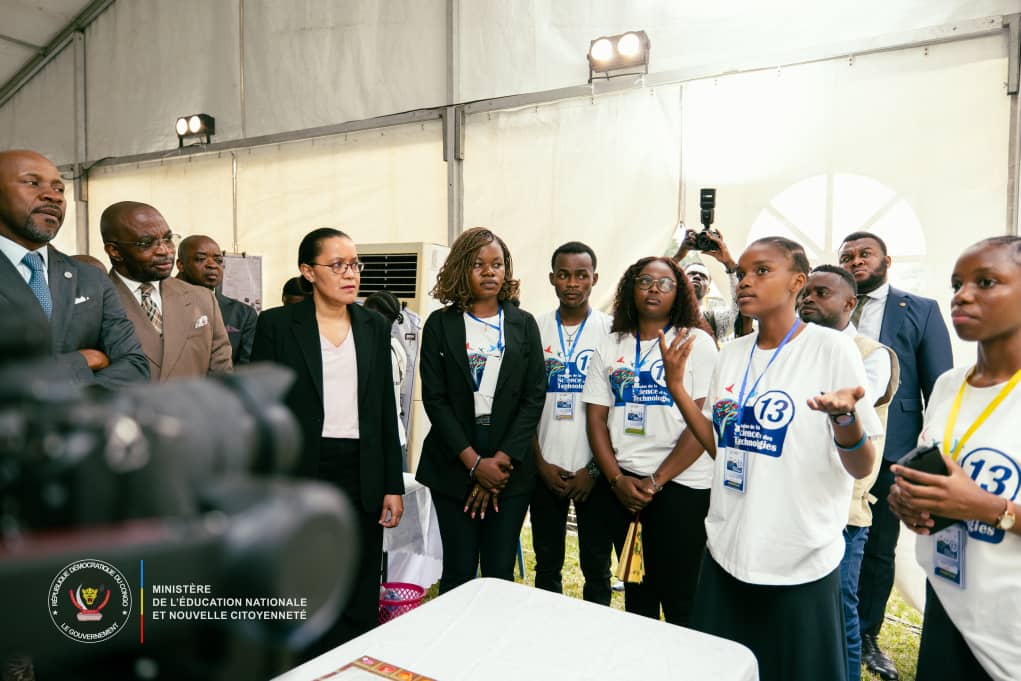
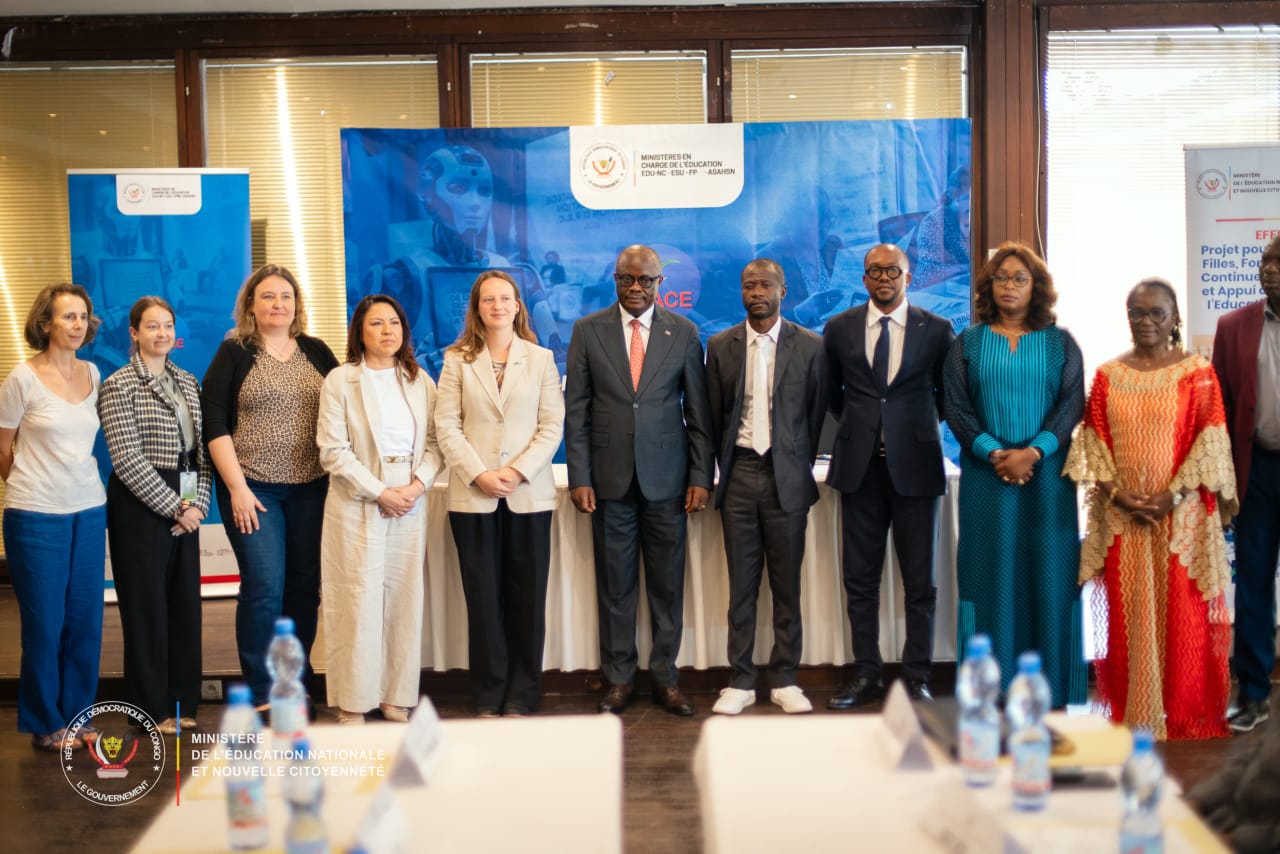
Other government officials, including Planning Minister Guylain Nyembo, Health Minister Roger Kamba, and Agriculture Minister Muhindo Nzangi, took part in the ceremony. National and provincial deputies and senators also attended the event.
Other partners in the DRC, such as David Stevenson, Resident Representative and Country Director of the World Food Programme (WFP), and Bruno Lemarquis, Deputy Special Representative of the Secretary-General for the United Nations Organization Stabilization Mission in the Democratic Republic of the Congo (MONUSCO), as well as parent-teacher associations, also attended the ceremony.
Bruno Nsaka
Filter by structure or document type to find the right content.

For any report or information related to national education and new citizenship, call 178