Actualités
16 April 2026

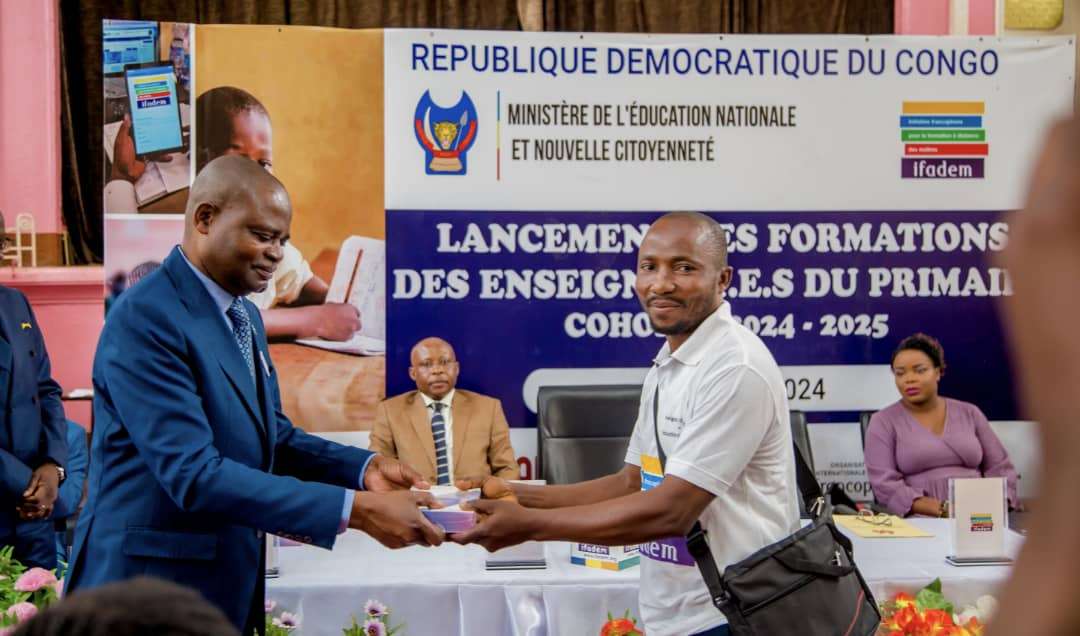
The Francophone Initiative for Distance Learning launched its activities for the 2024–2025 academic year in Lubumbashi, aimed at training 5,000 teachers.
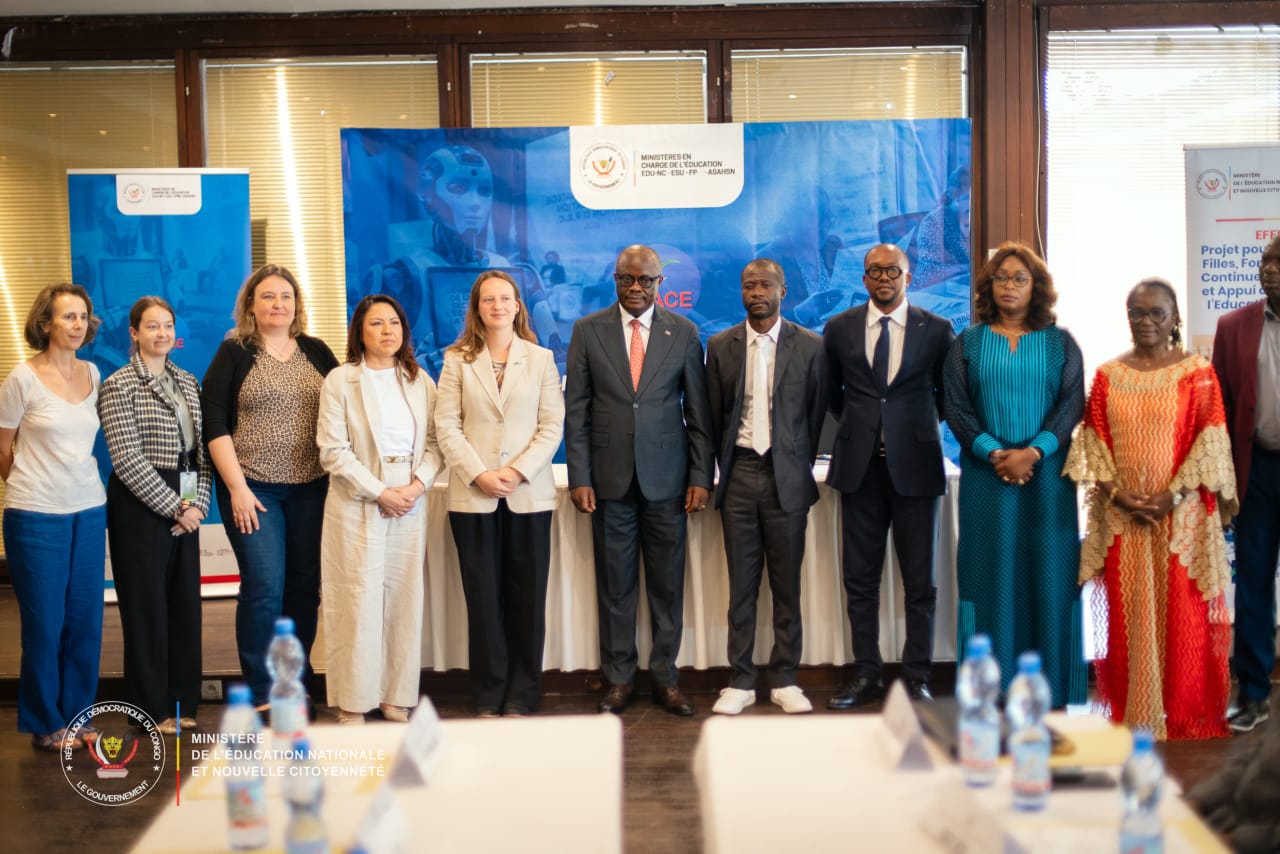
The launch ceremony was attended by the Secretary General of National Education and New Citizenship, the provincial minister of Haut-Katanga in charge of education, the PROVED of Haut-Katanga 1, the IPP of Haut-Katanga 1, as well as numerous inspectors and teachers.
Five administrative provinces are involved this year, namely Haut Katanga, Haut Lomami, Lualaba, Tanganyika, and Kasai Oriental.
These activities aim to improve teachers’ capacities in order to ensure quality education for learners in the Democratic Republic of the Congo.
During the same week, 159 inspectors from the educational provinces of Haut Katanga 1, Lualaba 1, and Tanganyika 1 were trained in the use of educational content and tutoring tools.
It should be noted that 300 school principals and 150 advisors and inspectors will also be trained as part of the continuing education program for teachers.
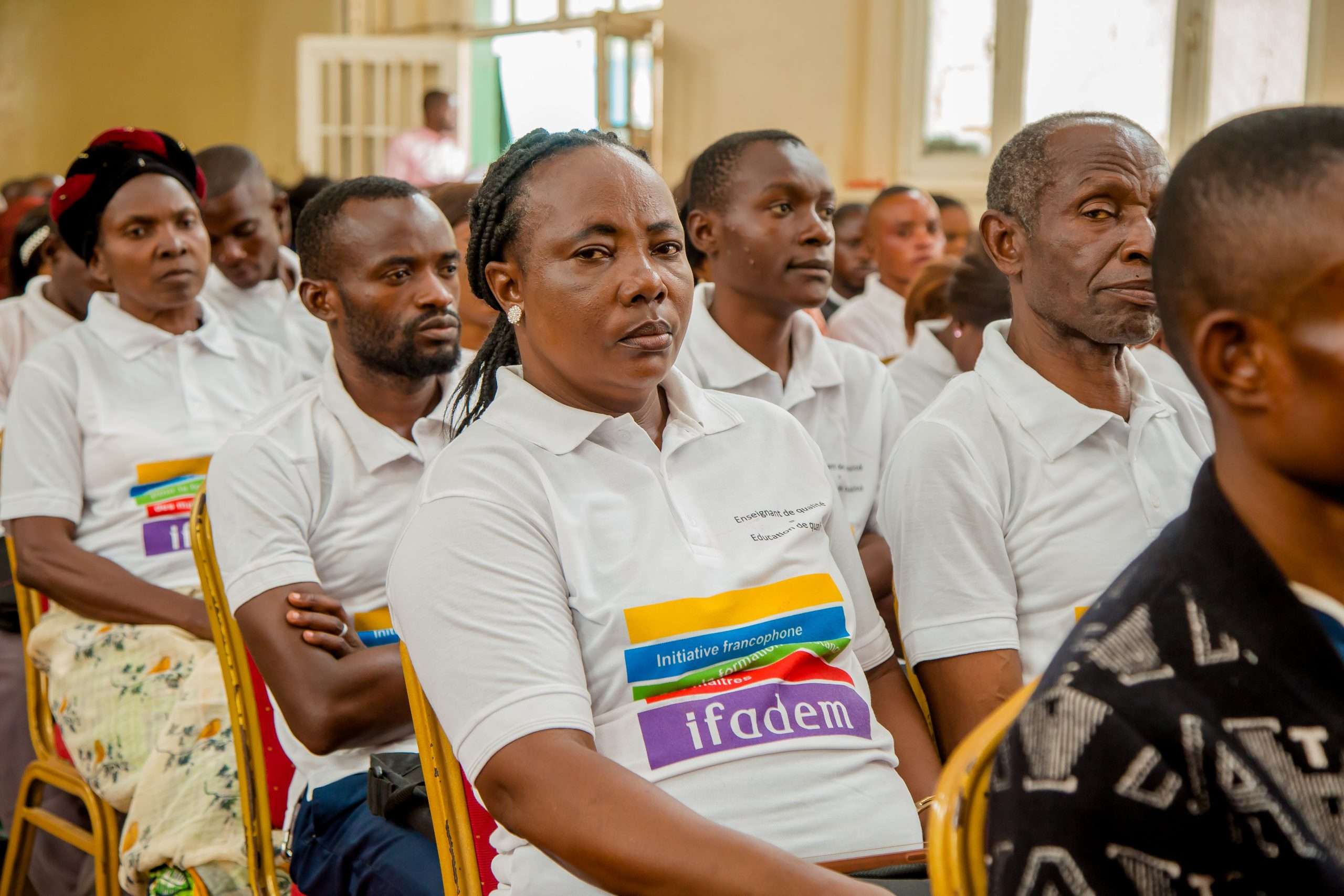
Since the start of its activities in 2011, the Francophone Initiative for Distance Teacher Training has aimed to improve the quality of education within the framework of the Sustainable Development Goals, SDG 4 in partner countries, notably the DRC, by strengthening the professional competencies of teachers and supervisory staff, with a priority on rural and peri-urban areas.
At the same time, an announcement was made regarding the project titled “Regional Facility for Teachers in Africa” (RFTA), which will be supported by the European Union through ENABEL. This continuing education project for teachers is an extension of the IFADEM Program and will focus on teachers’ digital skills to make education more inclusive, ensuring equitable access to training for all teachers.
IFADEM is implemented by the Ministry of National Education and New Citizenship, with technical support from APEFE and funding from Belgian Development Cooperation, the OIF/AUF, and Wallonie-Bruxelles International.
Thierry Mbebangu
Filter by structure or document type to find the right content.

For any report or information related to national education and new citizenship, call 178