Actualités
16 April 2026
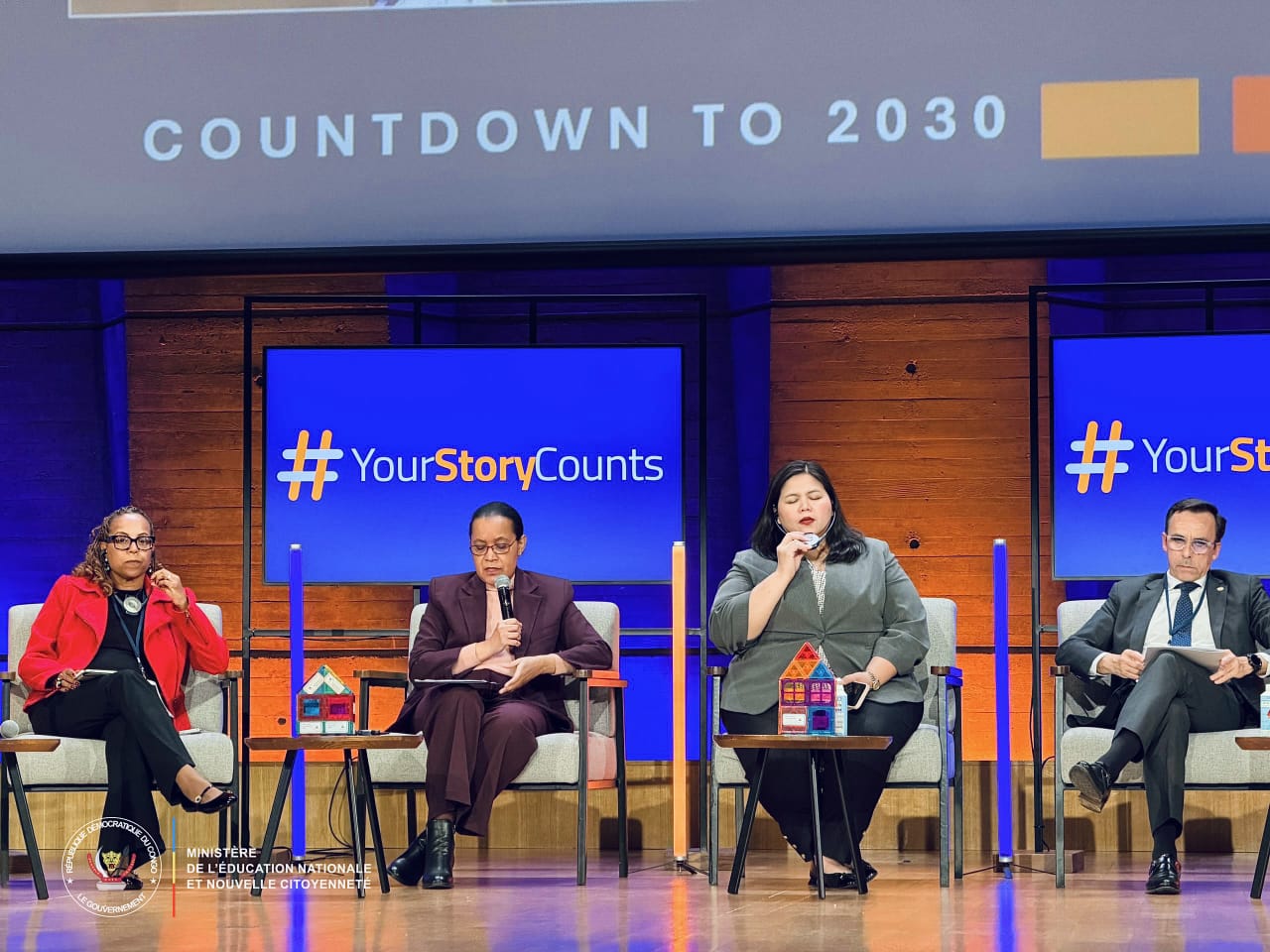
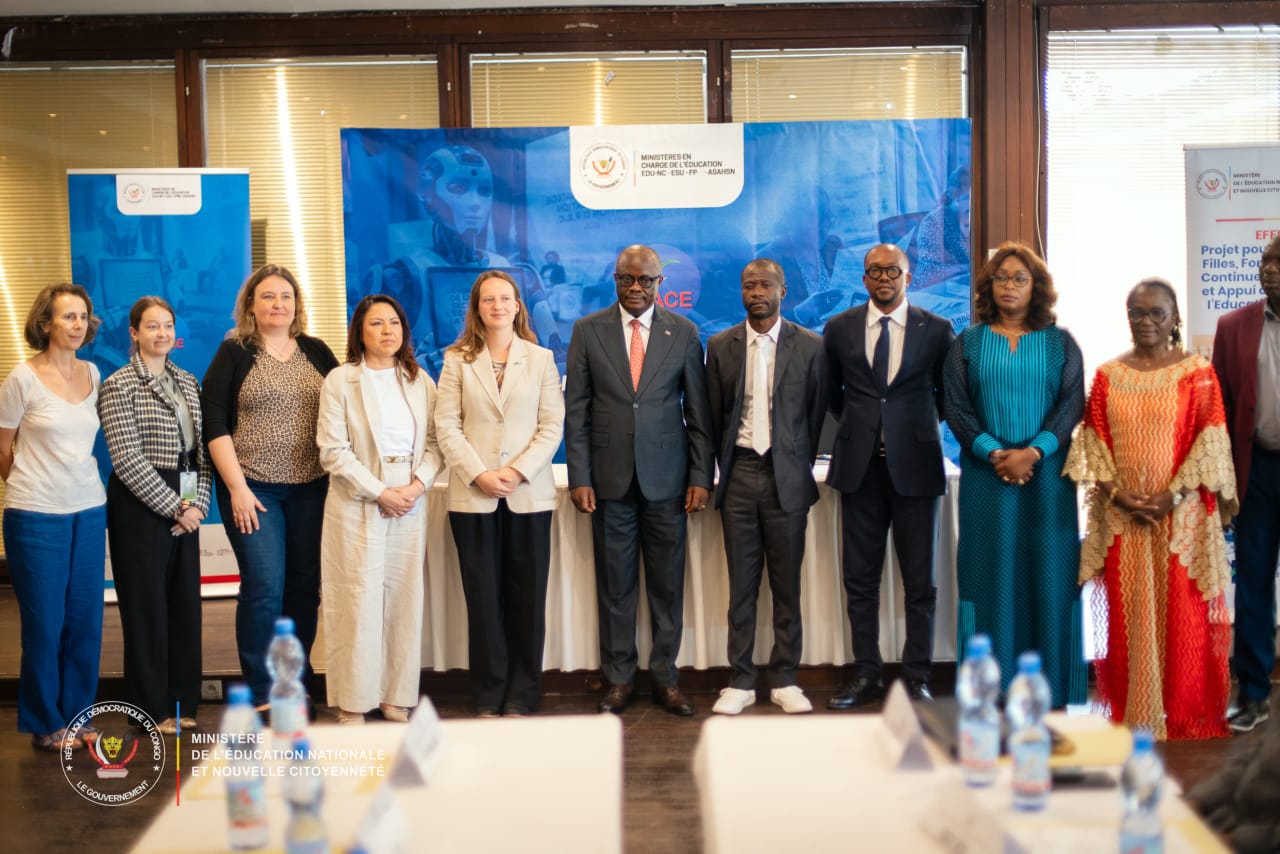
The Democratic Republic of the Congo is adopting a redistributive approach to strengthen equitable access to education. This was stated by Raïssa Malu, Minister of State and Minister of National Education and New Citizenship (EDU-NC), on Wednesday, March 25, 2026, in Paris, during the launch of the 2026 GEM Report organized by UNESCO.
In her remarks, the minister outlined the overall philosophy of educational reform in the Democratic Republic of the Congo.
“For the Democratic Republic of the Congo, funding is not merely a matter of volume, but a deliberate tool for redistribution to ensure no child is left behind. The first mechanism we implemented was the universal expansion of free primary education in public schools. Now, the state covers the full operating costs of public primary schools, which are paid directly to the schools. To ensure effectiveness, we also distribute a free education bonus to teachers, which is now paid directly,” she stated.
This policy has transformed the Congolese education system. Before 2019, funding relied primarily on families. Today, the state bears a significant portion of this burden, with significant economic benefits for households.
Citing data from the National Education System Report (RESM) and the World Bank, Raïssa Malu emphasized the scale of this reform.
“In the DRC, families previously covered 70% of education costs. The shift to free education represents a transfer of purchasing power to households estimated at over one billion dollars per year. Given its scale and speed, this is the most extensive social redistribution policy in the history of the Republic,” she said.
Beyond free education, the government has implemented targeted measures to reduce inequalities, notably a scholarship program for girls in the province of Kasai, which currently benefits approximately 49,000 students.
Additionally, a school feeding program—with the first national cafeterias scheduled to open as early as September 2026—complements this initiative.
However, the minister acknowledged that significant challenges remain, particularly in the eastern part of the country, which is plagued by insecurity. Despite this context, she assured that social priorities remain in place, including in crisis-affected areas.
She thus highlighted the efforts made to preserve access to education in regions affected by conflict.
“The main obstacle to equity remains the aggression the country is facing in the east, which diverts vital resources and destabilizes the education system. Despite this, the government continues to make social issues a priority. The payment of the free education allowance and school operating costs remain a priority, even in crisis zones. War must not deprive the younger generations of their diplomas. That is why the government has covered the costs of the state exam for students in North Kivu and South Kivu for the past two years,” said Minister of State Raïssa Malu.
Willy Kambulu
Filter by structure or document type to find the right content.

For any report or information related to national education and new citizenship, call 178