Actualités
16 April 2026

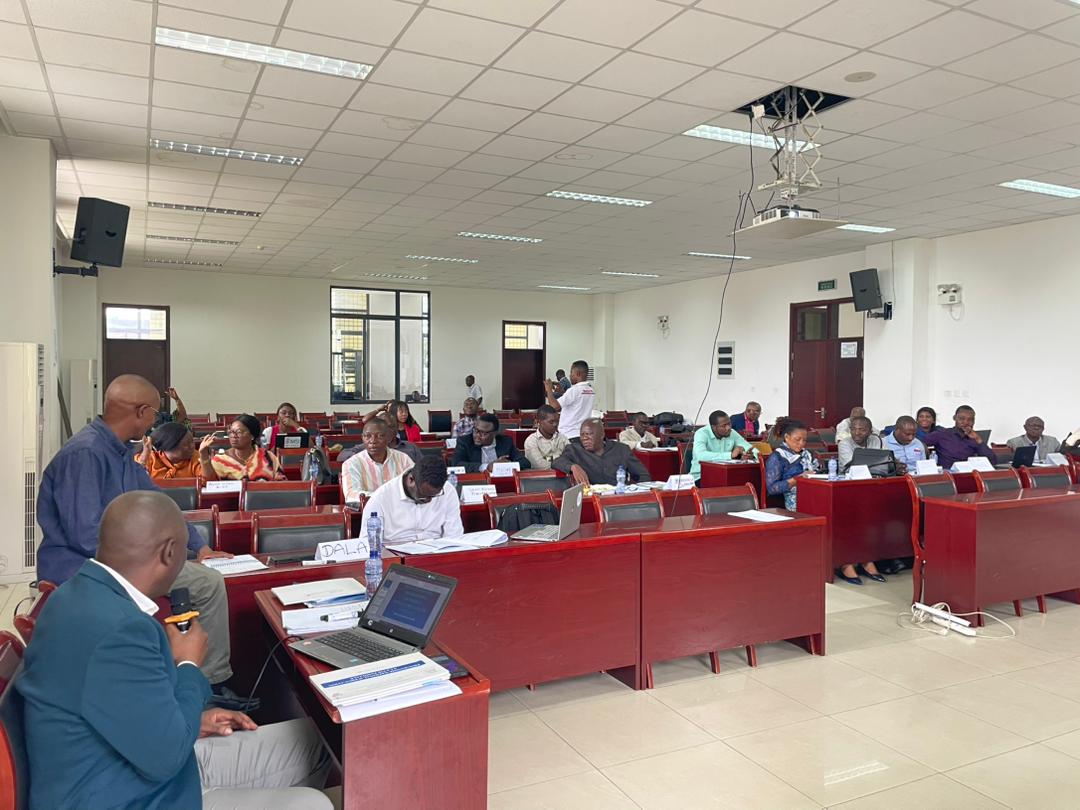
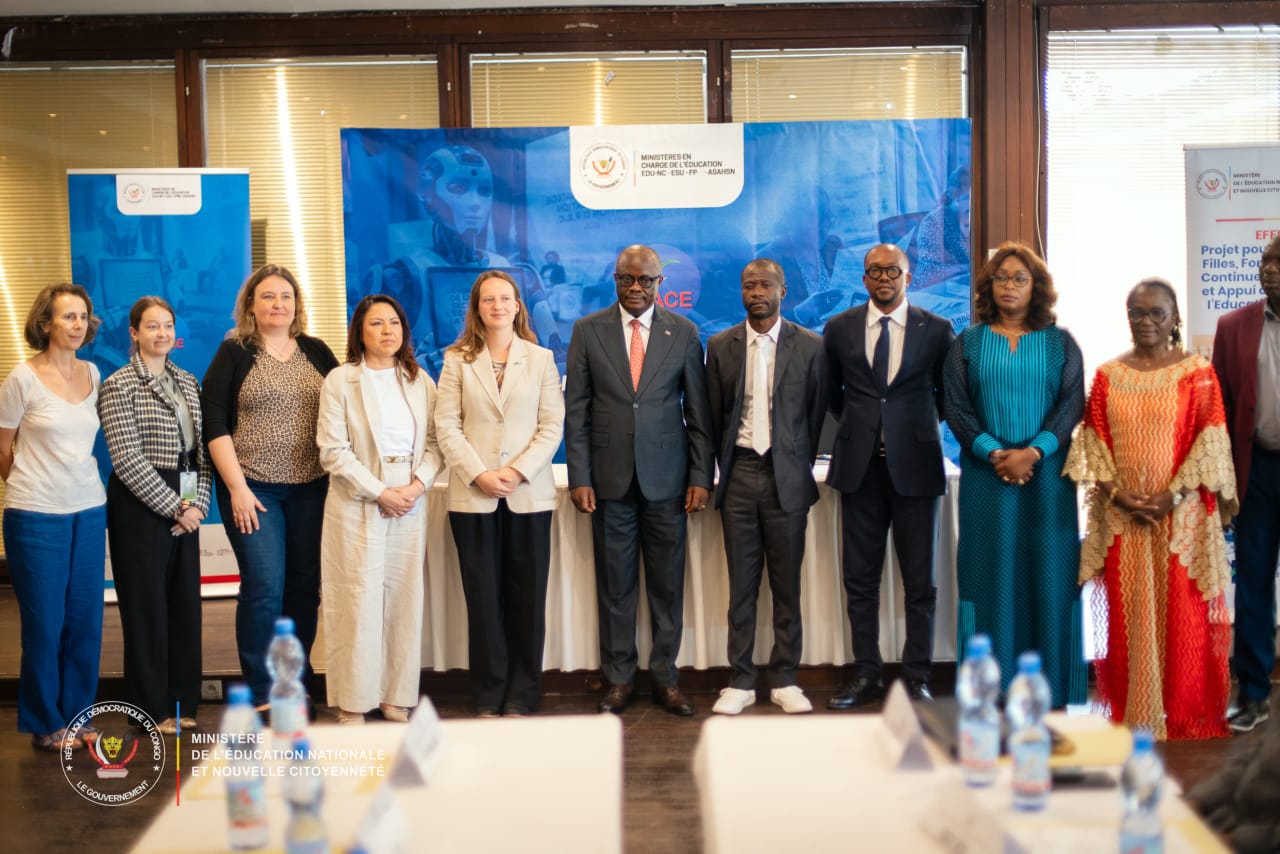
A training-of-trainers workshop on the National Life Skills Education Program was launched on Tuesday, March 17, in Kinshasa, in the Garamba Room of the Ministry of the Interior’s administrative building.
This initiative is organized by the Directorate of Life Skills Education (DEVC) of the Ministry of National Education and New Citizenship, with support from Marie Stopes International.
The main objective of this five-day workshop is to build the capacity of education stakeholders in using data collection tools related to this program.
“The objective of this workshop is to train the trainers. As you know, we have developed data collection tools related to the National Life Skills Education Program. It has become necessary to provide an account, particularly by having data on the program’s progress, its level of implementation, and the teachers who use it,” stated Vianey Kunvu, the workshop moderator.
According to him, this program, considered sensitive due to the topics it addresses, requires adequate training for the teachers who will deliver it.
“However, how can we know how many teachers have been trained if we lack data collection tools? That is why experts came together to develop these tools, which are now available,” he explained.
Integration of subjects related to gender-based violence
These tools make it possible, in particular, to collect precise information on the number of students benefiting from the program, the teachers trained, and the various topics taught, including HIV, gender-based violence, menstrual hygiene, nutrition, education in emergency situations, peace, and environmental management.
“All this information is essential. It allows us to know how many people have been reached and trained. These tools also provide data disaggregated by sex, age, grade, and level,” he noted.
Beyond the development of these tools, the current challenge lies in ensuring their adoption by users, particularly inspectors, school principals, and teachers. This is why this workshop was organized, aiming to train trainers capable of delivering cascade training across educational provinces.
“It is within this framework that this workshop was organized, to first train the trainers, who will then be able to organize cascade training sessions in the educational provinces, at both the provincial and local levels,” added Vianey Kunvu.
Regarding the schedule, the first day was devoted to preliminaries, before addressing topics such as an overview of the Directorate of Education for Daily Life, its missions and achievements, as well as the structure of the program.
This workshop follows on from those held from October 13 to 17 and November 4 to 5, 2025, which focused on the development and validation of data collection tools as well as the standard reporting framework for the National Life Skills Education Program.
The trainers will be deployed to various pilot educational provinces, including Mbanza-Ngungu, Kenge, Kinshasa, Kisangani, Lubumbashi, and Kolwezi, as part of the program’s nationwide rollout.
Willy Kambulu
Filter by structure or document type to find the right content.

For any report or information related to national education and new citizenship, call 178