Actualités
16 April 2026
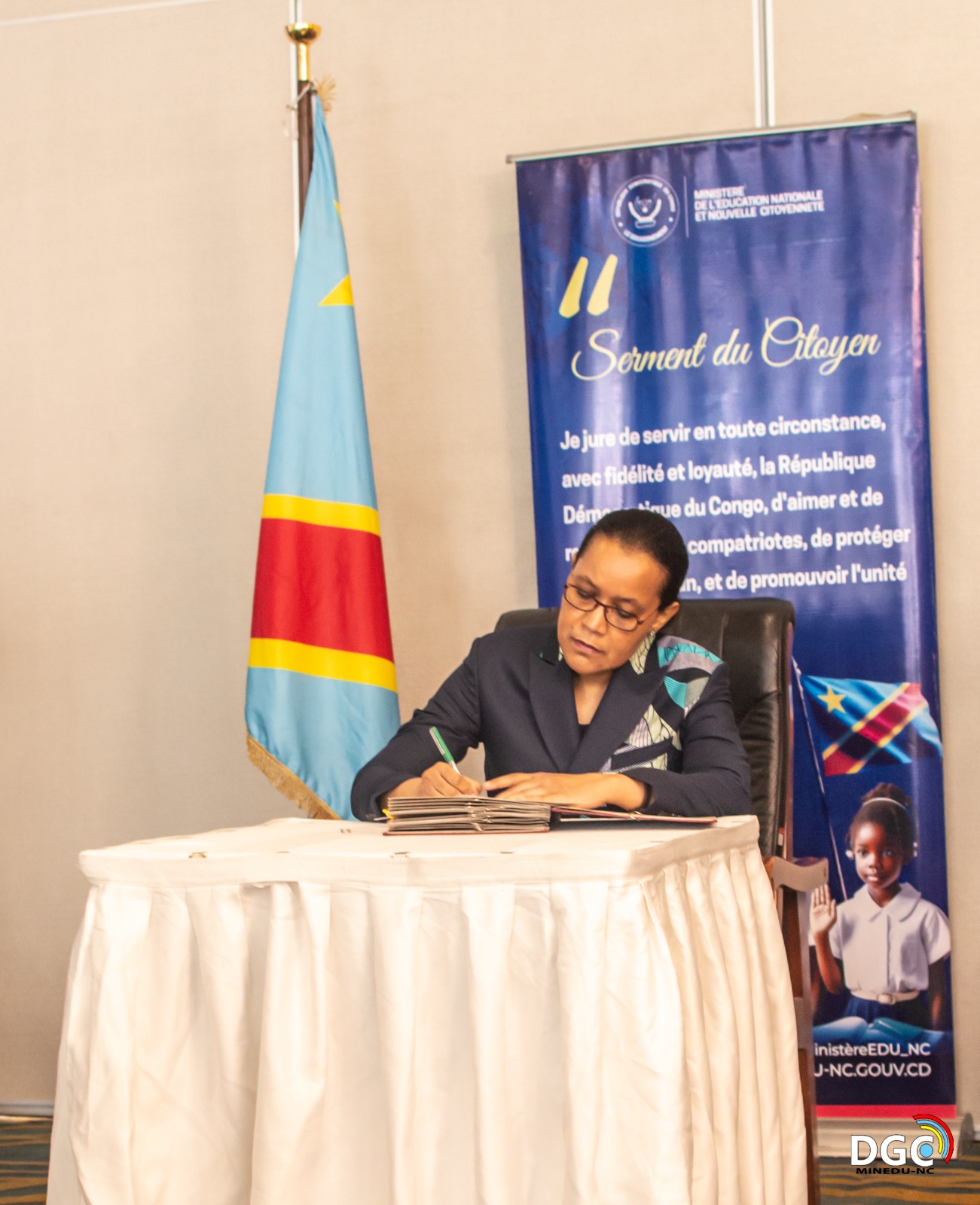
 In his remarks, Acting Secretary-General Alexis Yoka Lapulinangu highlighted the fundamental importance of signing the commitment document:
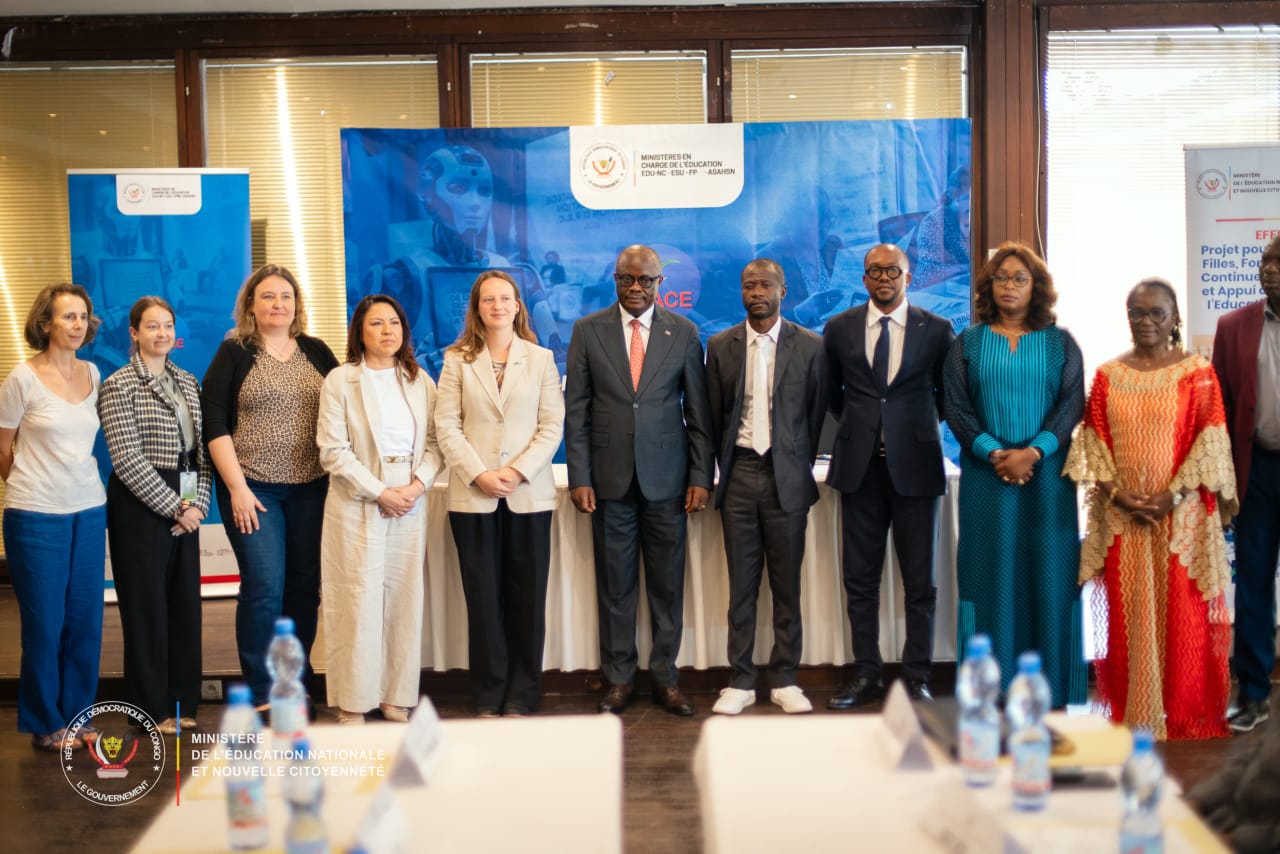
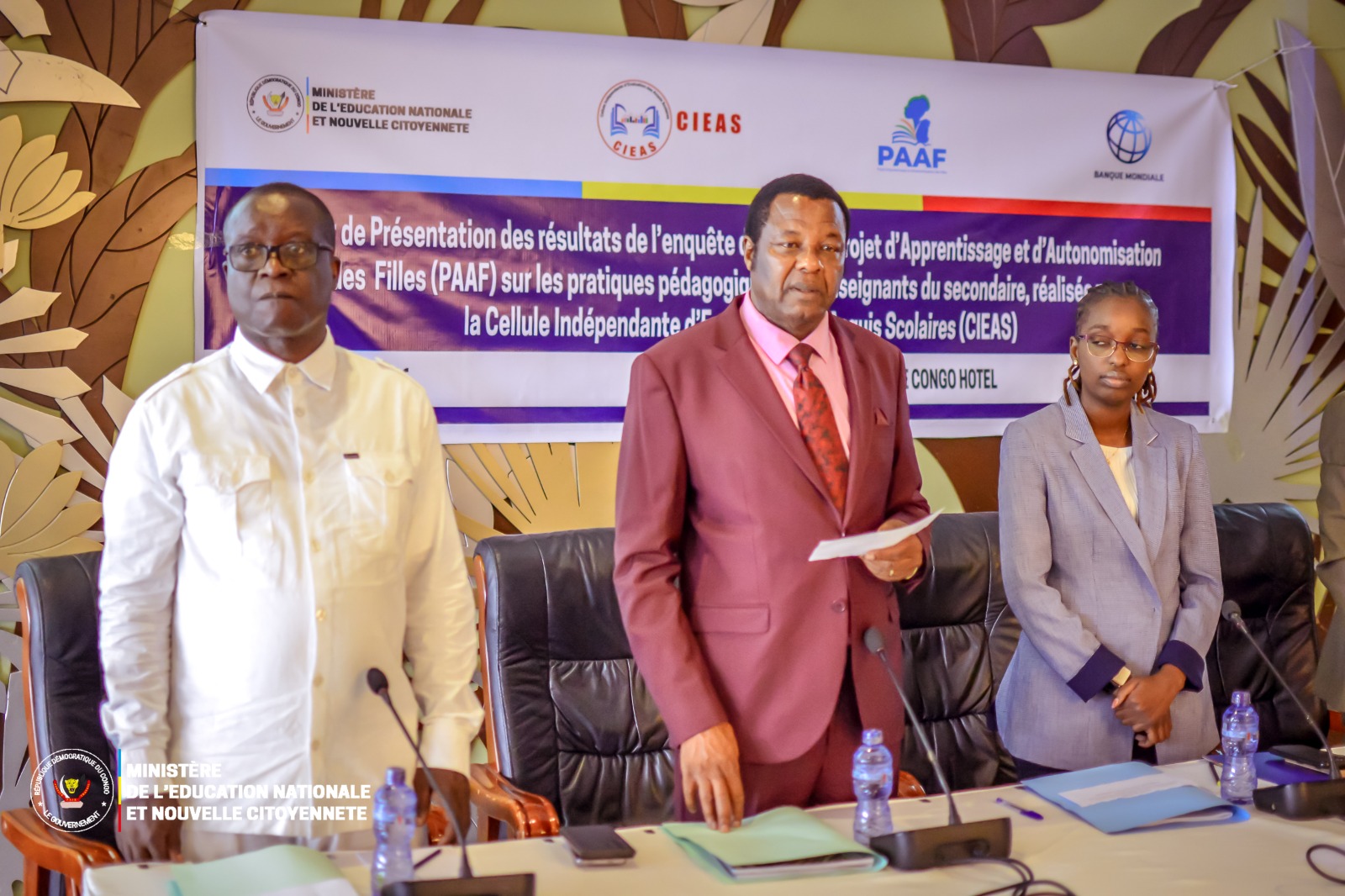
“This act embodies the spirit of the change in mindset we all so dearly desire. The Minister of State has taken a strong, symbolic, and practical step. It demonstrates genuine respect for ethics, for accountability begins at the top.”He noted that this initiative aligns perfectly with the 2016–2025 Sectoral Strategy for Education and Training (SSEF), which is centered on equity, quality, and transparent governance. The SG urged administrators to follow this example to protect professional dignity, while affirming that this act constitutes “a milestone that history will remember.” Toward a New Era for Congolese Educational Administration Established by Ministerial Decree No. 1000 EDU-NC/CABMIN/GB/025/2021 of July 2, 2021, the Code of Conduct for Teaching Staff aims to regulate teachers’ behavior toward themselves, their students, their colleagues, their superiors, and the community. It comprises 22 articles divided into four sections covering general provisions, rules of conduct, disciplinary measures, and final provisions. This code strictly prohibits gender-based violence, abuse, exploitation, and harassment in all their forms. Taking the floor, Minister of State Raïssa Malu Dinanga delivered a strong message about the Ministry’s ethical vision:
“The activity that brings us together today is at the heart of the PAAF’s mission: to promote civic engagement and ensure safe and inclusive educational environments. Every child, especially every girl, must learn in a setting free from threats.”She noted that Code 22, launched four years ago through PERSE and PAQUE, was first implemented in primary schools before being extended to secondary schools, and this year to the administrative and political staff of EDU-NC. The minister emphasized:
“We cannot tolerate the future of our children being threatened in places that should be their sanctuary. By signing this commitment, we become the guardians of integrity in the service of education. Our signature is a pledge of discipline and responsibility.”
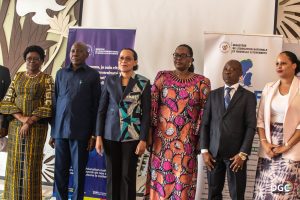 Recalling President Félix-Antoine Tshisekedi’s zero-tolerance policy regarding sexual harassment and abuse, she assured that any report will be investigated immediately and that any proven misconduct will be punished regardless of rank or school district.
Finally, she called on all staff to make this pledge a national model of integrity.
Recalling President Félix-Antoine Tshisekedi’s zero-tolerance policy regarding sexual harassment and abuse, she assured that any report will be investigated immediately and that any proven misconduct will be punished regardless of rank or school district.
Finally, she called on all staff to make this pledge a national model of integrity.
“We are the National Education System. We are preparing our children’s future; we are building the nation.”This ceremony marks a major step forward in the moralization, accountability, and professionalization of the education subsector. It ushers in a new era where ethics, integrity, discipline, and responsibility become the pillars of the Congolese education administration. Shomba Marie
Filter by structure or document type to find the right content.

For any report or information related to national education and new citizenship, call 178