Actualités
16 April 2026
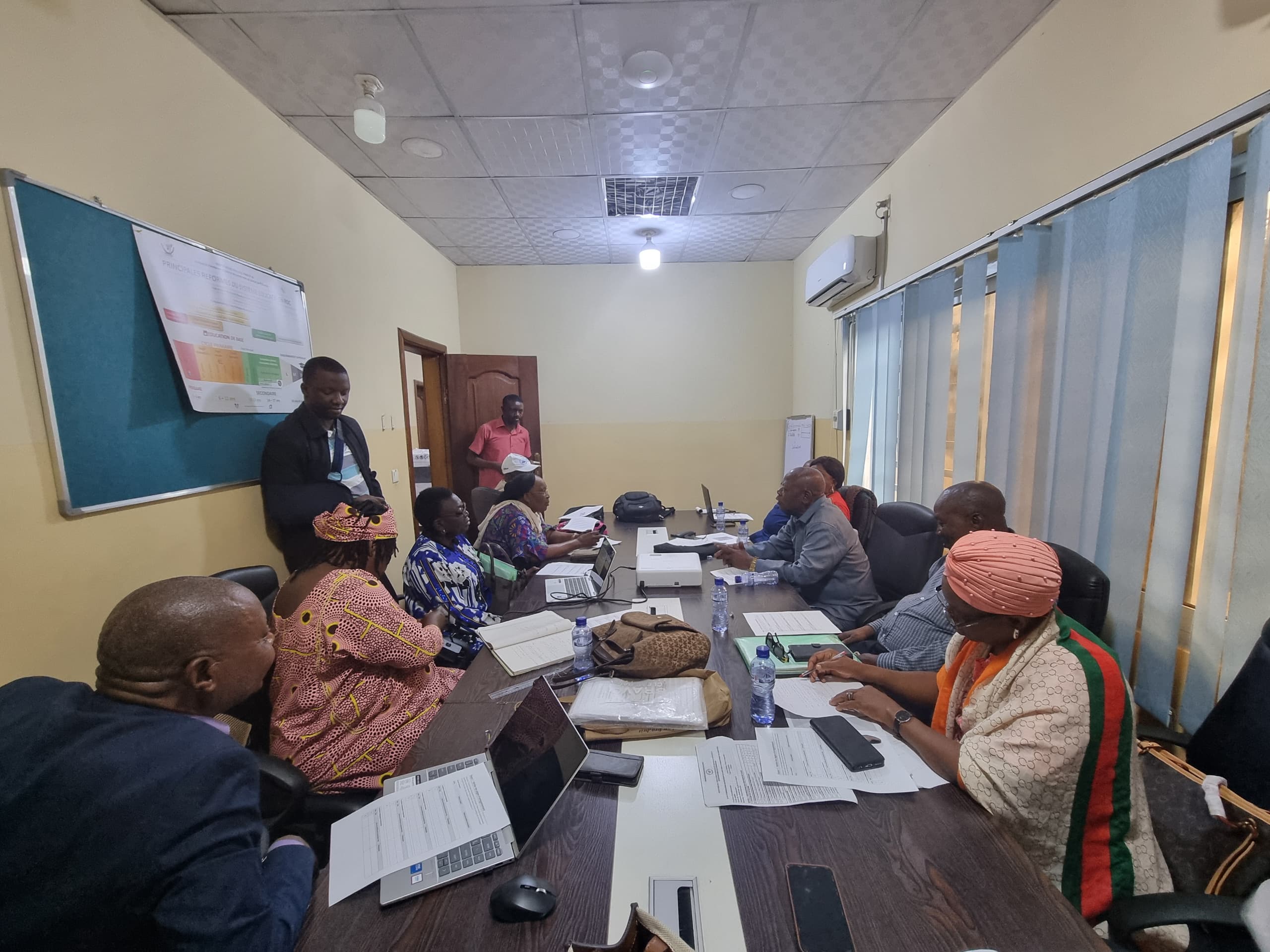
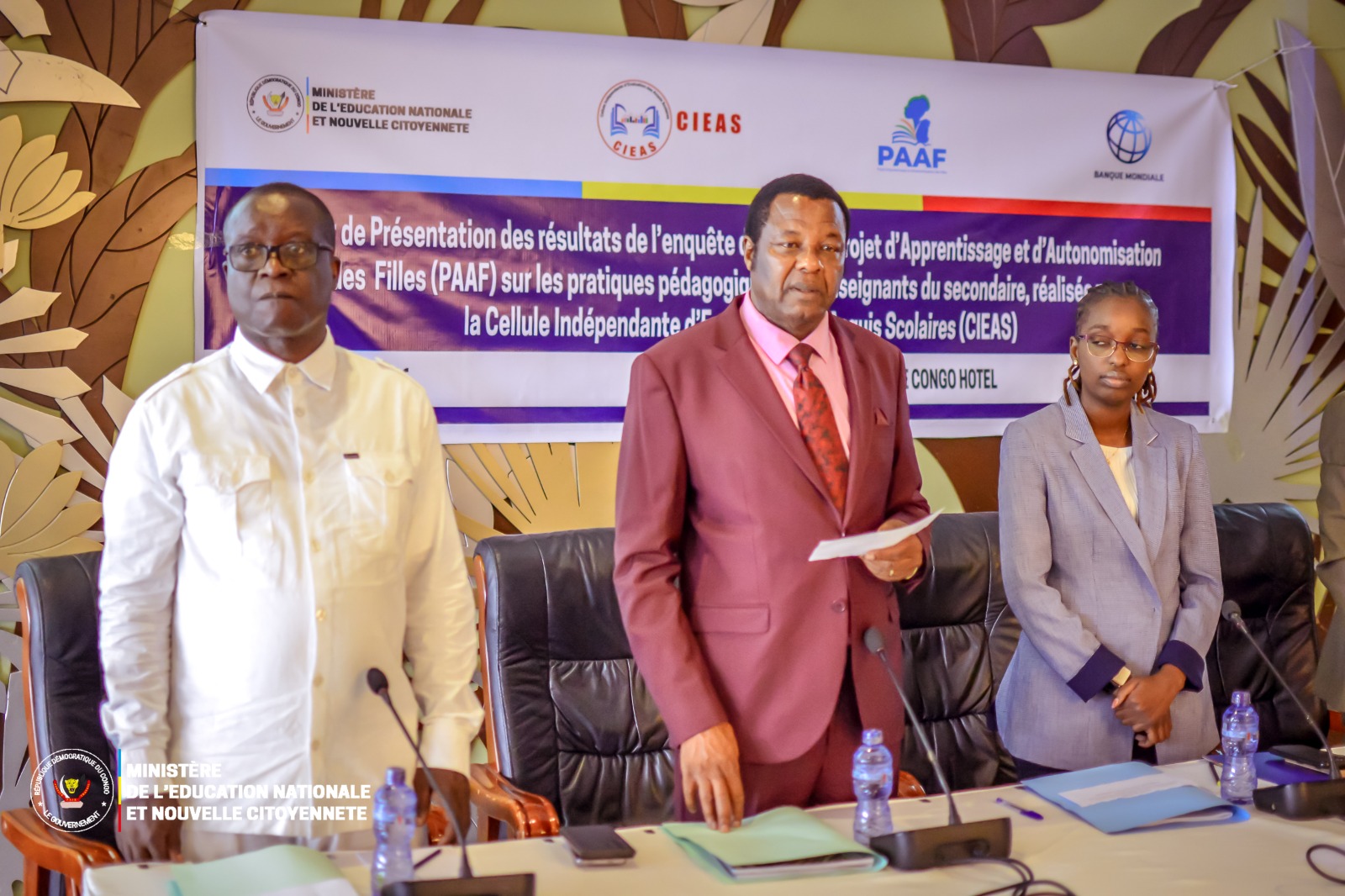
 This instrument is fundamental in that it aims to align the evaluation of teaching practices with international standards. At the same time, it remains highly relevant to the Congolese context. Ultimately, it will strengthen inspectors’ capacity to support and monitor teachers.
Chief Inspector Zéphirin Kalotoso explained that the development of this new tool was inspired by a model long used by the inspectorate. It is used to evaluate teachers. This includes analyzing how they organize teaching activities. The way they carry out tasks in the classroom and interact with students is also observed. Finally, the conduct of lessons is evaluated.
This instrument is fundamental in that it aims to align the evaluation of teaching practices with international standards. At the same time, it remains highly relevant to the Congolese context. Ultimately, it will strengthen inspectors’ capacity to support and monitor teachers.
Chief Inspector Zéphirin Kalotoso explained that the development of this new tool was inspired by a model long used by the inspectorate. It is used to evaluate teachers. This includes analyzing how they organize teaching activities. The way they carry out tasks in the classroom and interact with students is also observed. Finally, the conduct of lessons is evaluated.
“Tools have always existed, but in light of evolving international standards, it became necessary to adapt them,” emphasized Mr. Kalotoso.A survey conducted by PASEC and CIEAS revealed a significant decline in standards. “Hence the urgency to review our methods, as improving the quality of education is a priority for the Head of State, supported by the government,” he added. Toward National Rollout and Necessary Advocacy Didier Nikinki, coordinator of the CIEAS, outlined the next steps. Here is how: after technical validation, the tool will be presented to the relevant authorities. This step will be followed by a pilot phase aimed at familiarizing inspectors with the new version. Subsequently, the tool will be rolled out nationwide.
“Advocacy efforts will be needed to mobilize the necessary resources,” emphasized Mr. Nikinki.The adaptation of this tool represents a major reform. It is part of efforts to improve the quality of continuing education for teachers. The coordinator also expressed satisfaction with the work accomplished by the inspectors and ministry experts. He believes this new approach will enable remediation based on evidence drawn from realities observed in classrooms. Gaëlle BASUBI
Filter by structure or document type to find the right content.

For any report or information related to national education and new citizenship, call 178