Actualités
16 April 2026
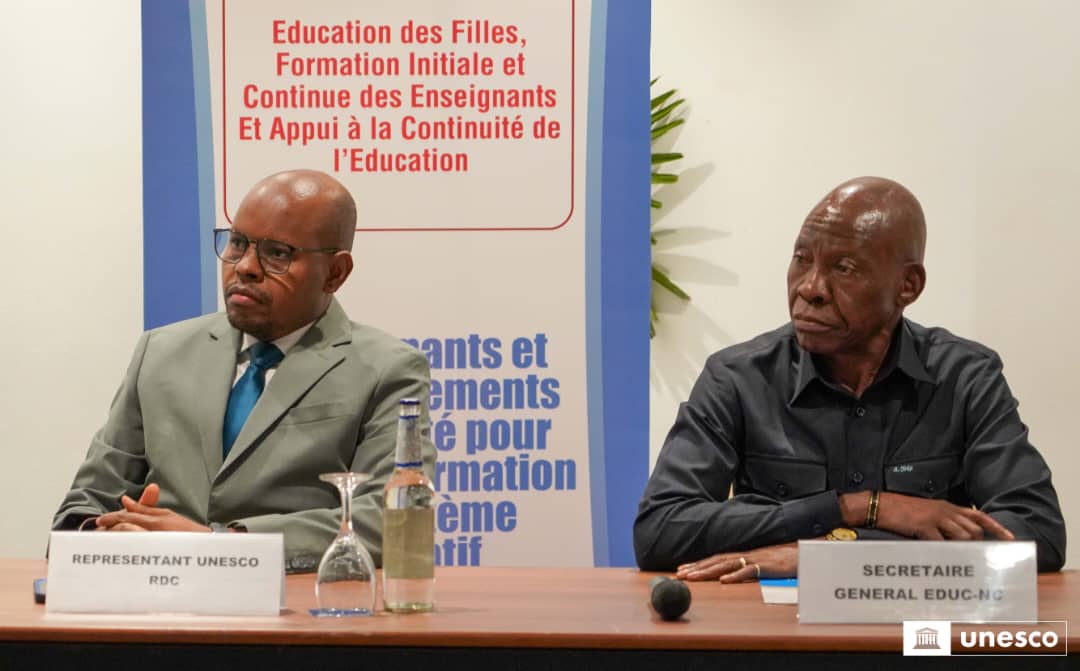
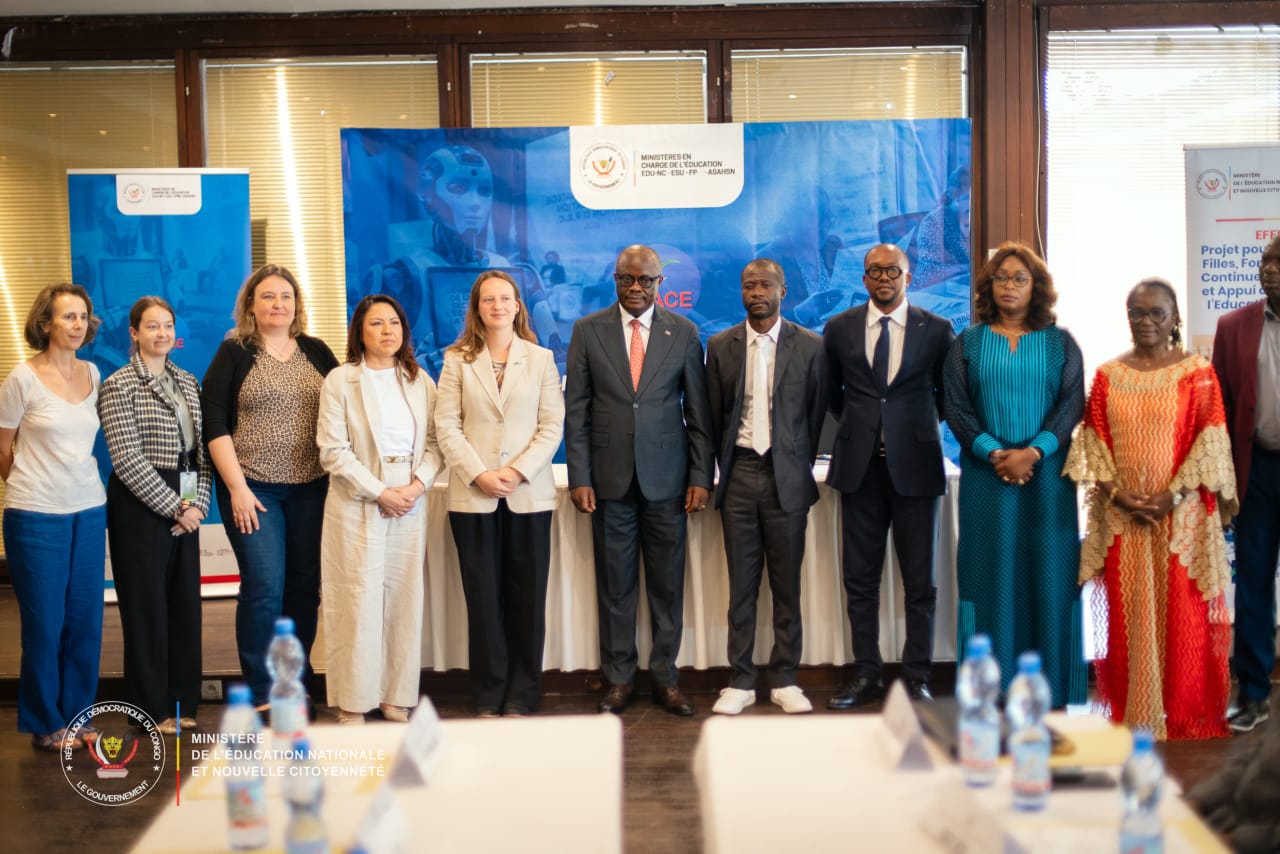
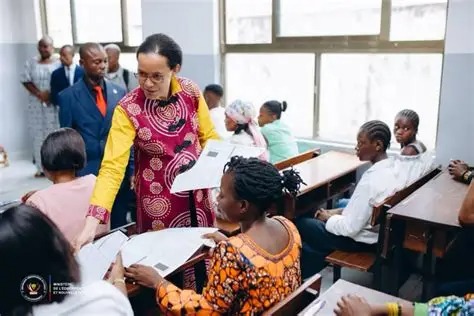
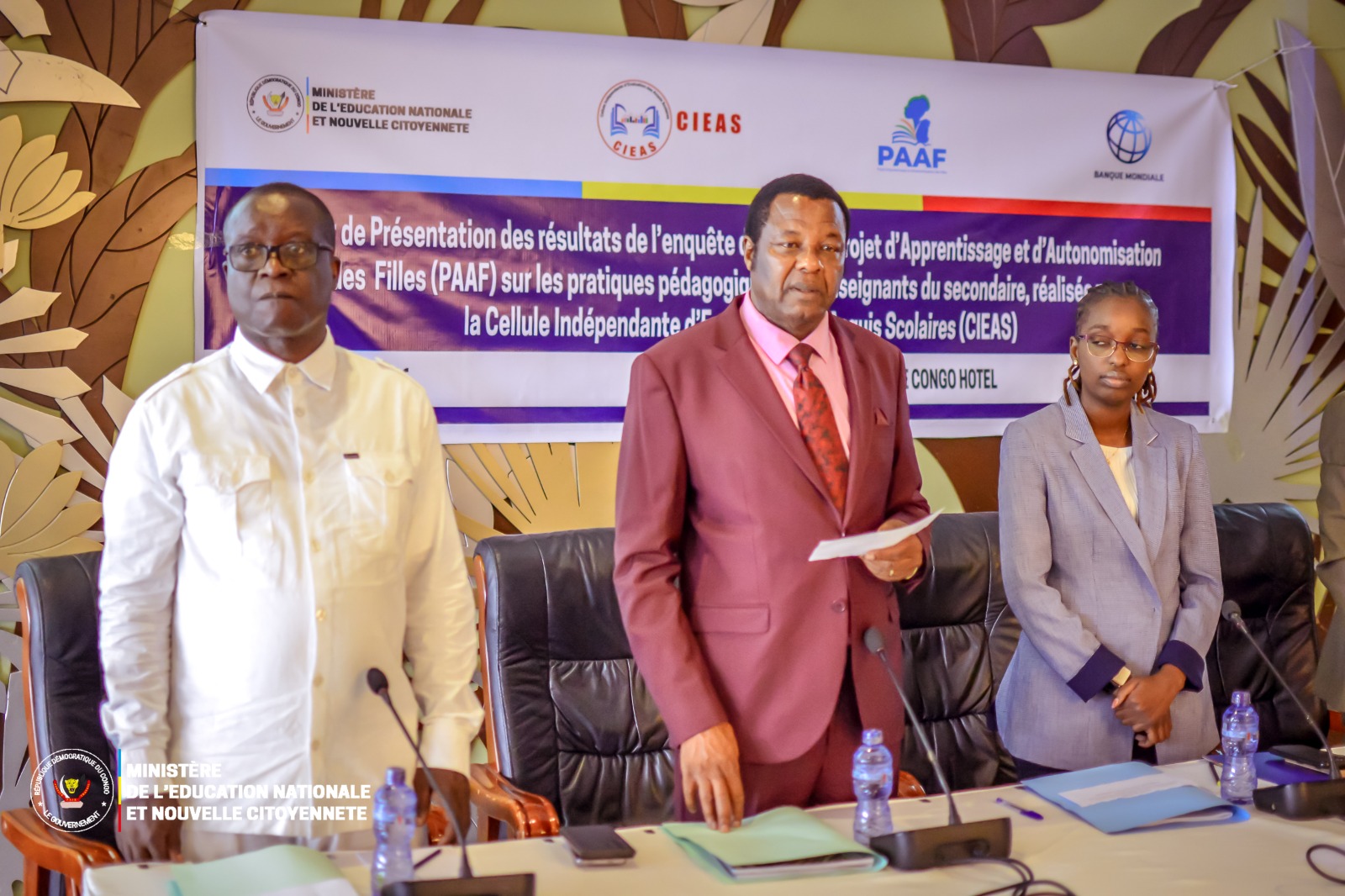
“These tools are now aligned with the competency framework and technically validated. They constitute a concrete response to the challenges facing our education system,” stated Professor Ingwa, representing the experts who participated in this work.More than 15,000 teachers in the first five targeted provinces In his remarks, UNESCO’s Representative in the DRC, Dr. Isaias Barreto, expressed his gratitude to the participants for their commitment and the quality of their contributions. He noted that these modules, once finalized and digitized, will become national resources accessible to more than 15,000 teachers in the first five target provinces of the EFFICACE project.
“Improving the quality of education inevitably requires the continuous strengthening of teachers’ skills, as they are the true pillars of the Congolese education system,” he stated.Government Satisfaction Alexis Yoka, Acting Secretary General of National Education and New Citizenship, who closed the workshop, praised the collective commitment and the relevance of the contributions. He thanked UNESCO for its decisive support, describing this partnership as a model to follow.
“The modules validated today reflect our shared determination to address our country’s educational challenges. They embody what we can achieve when efforts are combined and goals are shared,” said Alexis Yoka.It should be noted that this opportunity for exchange and reflection is part of the investment in teacher training and development, as advocated in the third guiding principle of the five-year plan of the Ministry of National Education and New Citizenship. Thierry Bwongo
Filter by structure or document type to find the right content.

For any report or information related to national education and new citizenship, call 178