Actualités
16 April 2026


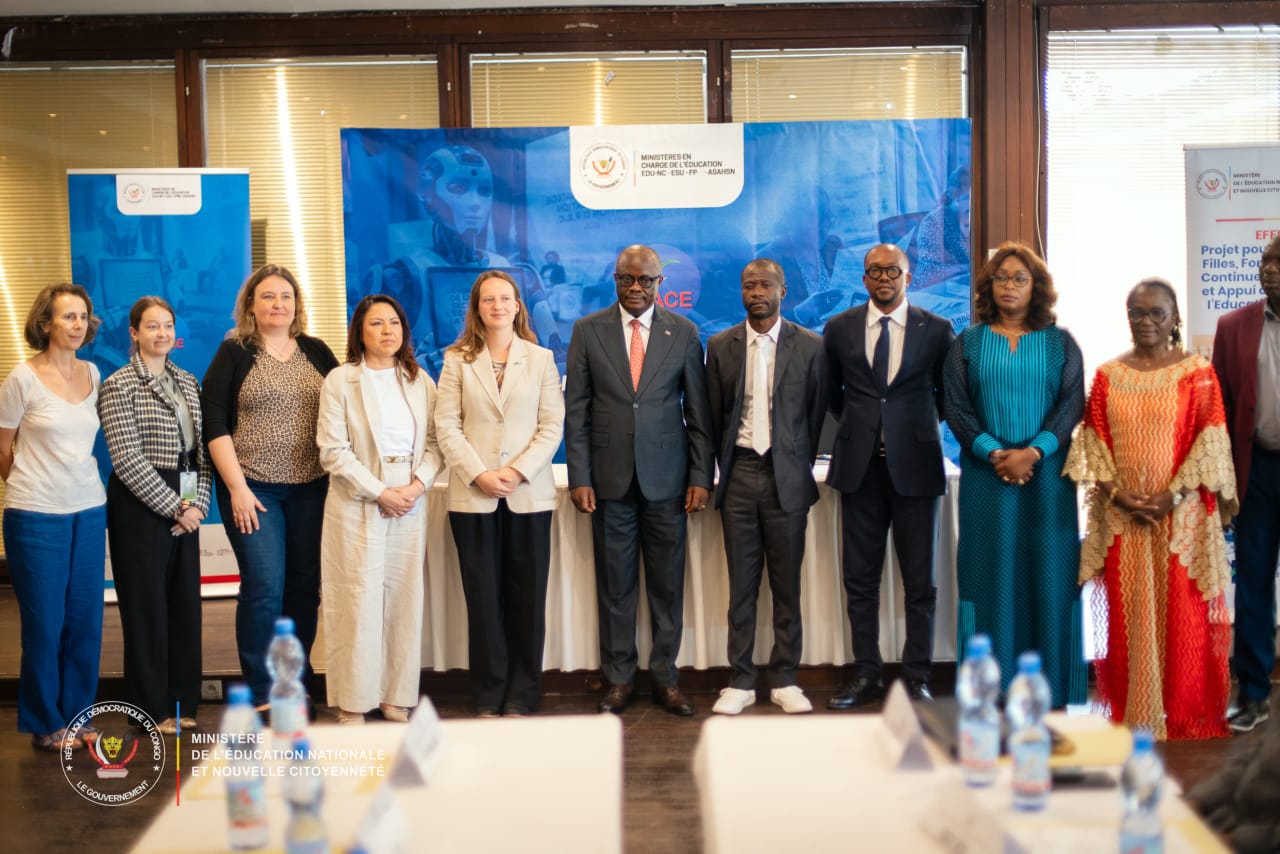
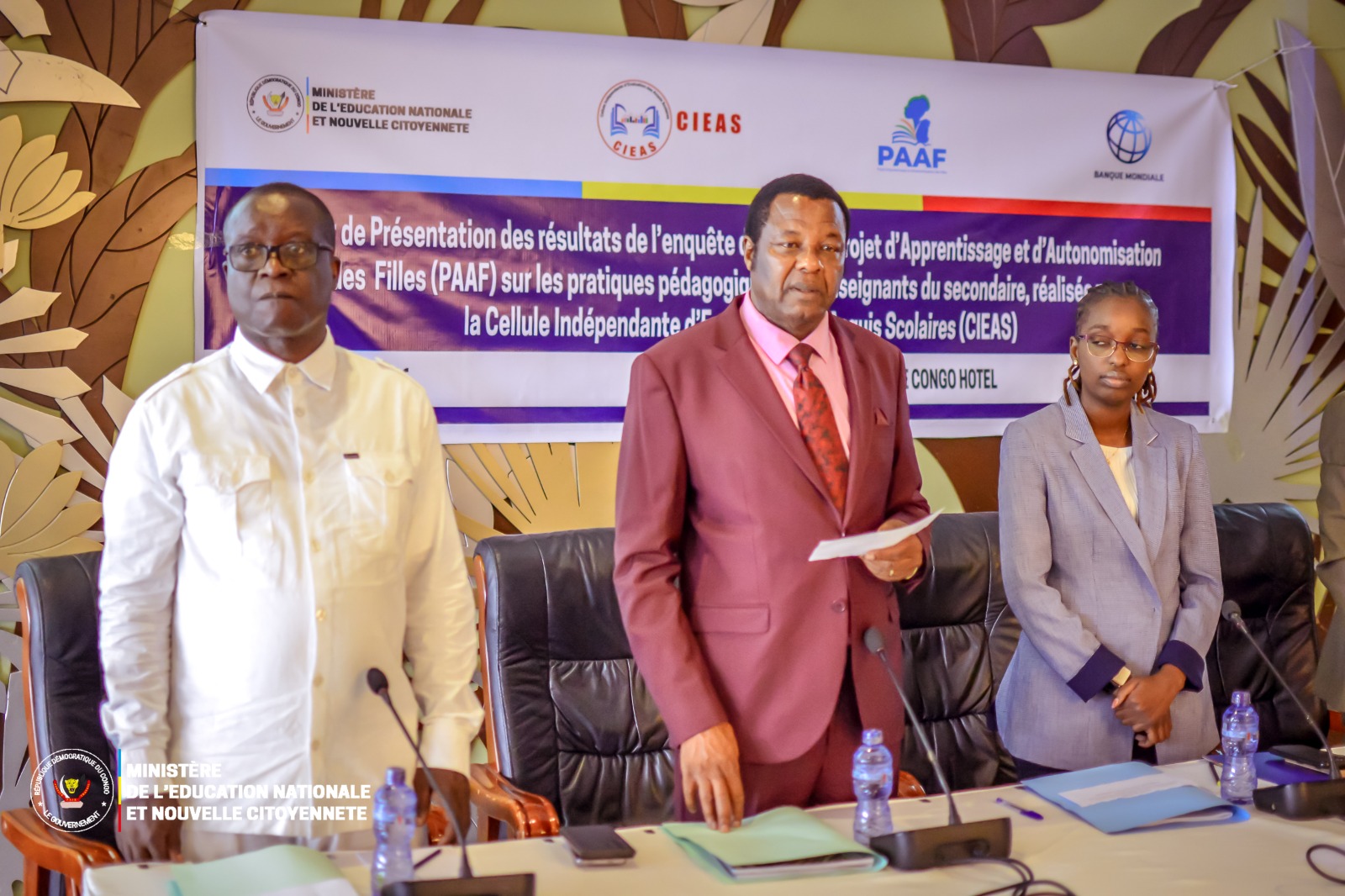
“This innovation will enable us to update educational materials and provide secondary schools with modern resources tailored to the challenges of the 21st century, because when a book goes digital, learning becomes limitless and accessible everywhere,” she emphasized.She stressed the importance of the online learning platforms and tools that the PAAF will deploy for the benefit of secondary schools. The work plan includes harmonizing technical and pedagogical standards, defining compatible formats and media, identifying constraints related to the conversion of physical textbooks, and finally developing an operational strategy for sustainable deployment.
 The benefits will extend to the entire education system, with priority implementation in the provinces targeted by the project: Kasai, Kasai-Central, Kasai-Oriental, South Kivu, North Kivu, Ituri, Kongo-Central, Kwilu, Lomami, and the City-Province of Kinshasa.
It should be noted that this initiative is part of the momentum driven by Ms. Raïssa Malu, Minister of State for National Education and New Citizenship, whose ambition is to definitively usher Congolese schools into a phase of modernization and digitization, for an education system that is more inclusive, more effective, better aligned with contemporary needs, and accessible to as many people as possible. The ultimate goal is to equip Congolese students with tools suited to the demands of the 21st century.
We will return to this topic.
Pitié-Matondo, EDUC-TV
The benefits will extend to the entire education system, with priority implementation in the provinces targeted by the project: Kasai, Kasai-Central, Kasai-Oriental, South Kivu, North Kivu, Ituri, Kongo-Central, Kwilu, Lomami, and the City-Province of Kinshasa.
It should be noted that this initiative is part of the momentum driven by Ms. Raïssa Malu, Minister of State for National Education and New Citizenship, whose ambition is to definitively usher Congolese schools into a phase of modernization and digitization, for an education system that is more inclusive, more effective, better aligned with contemporary needs, and accessible to as many people as possible. The ultimate goal is to equip Congolese students with tools suited to the demands of the 21st century.
We will return to this topic.
Pitié-Matondo, EDUC-TV
Filter by structure or document type to find the right content.

For any report or information related to national education and new citizenship, call 178