Actualités
16 April 2026
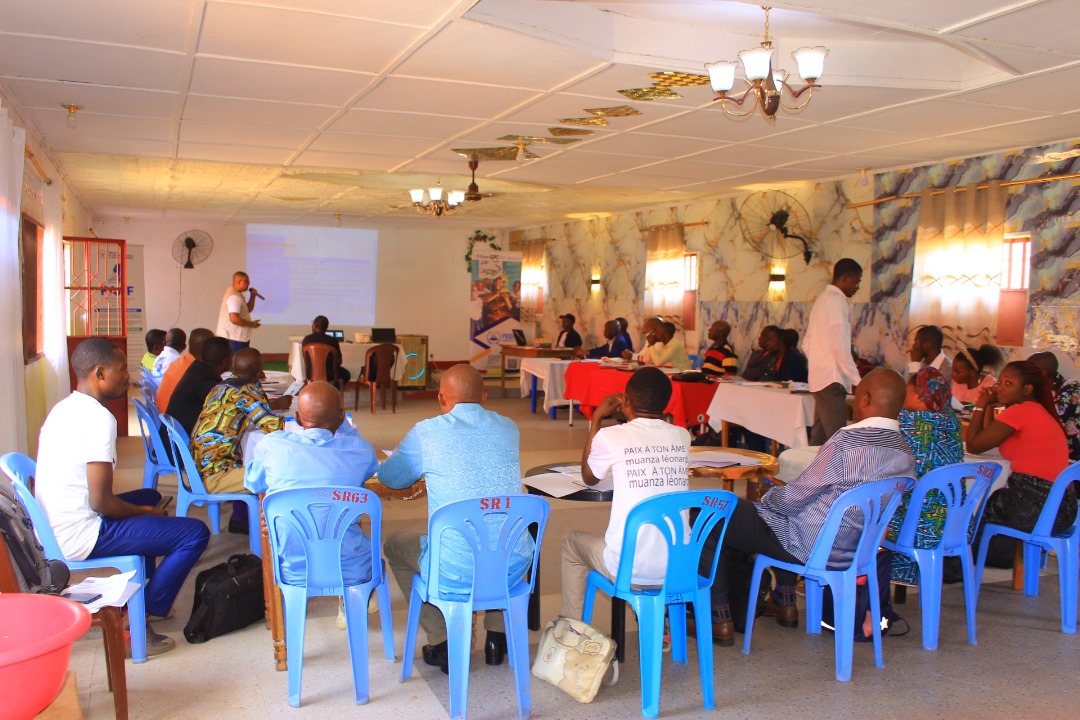
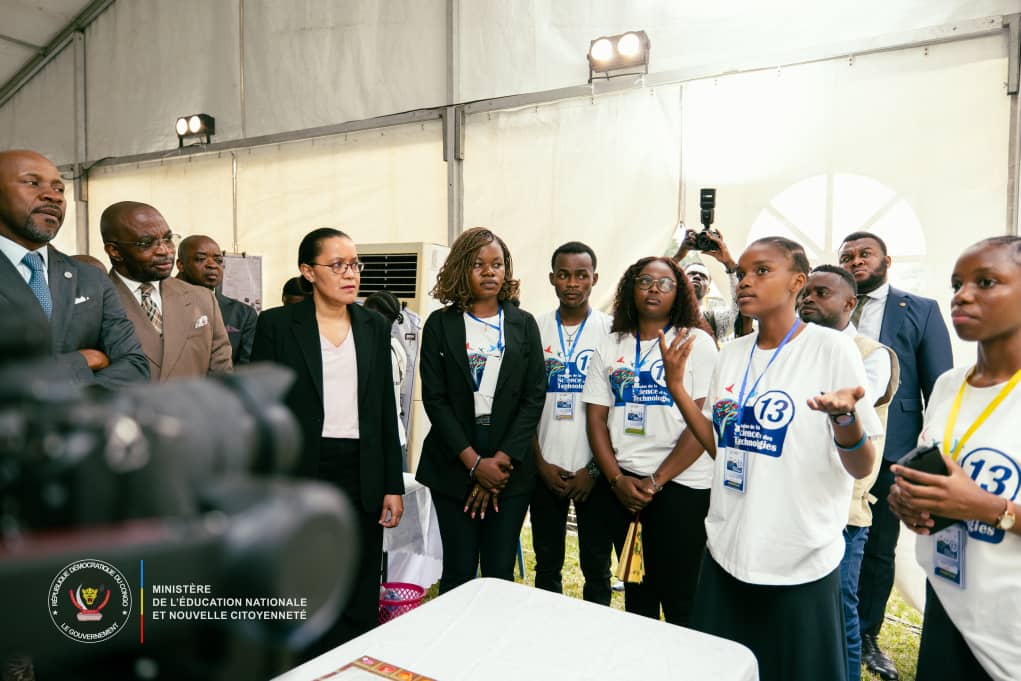
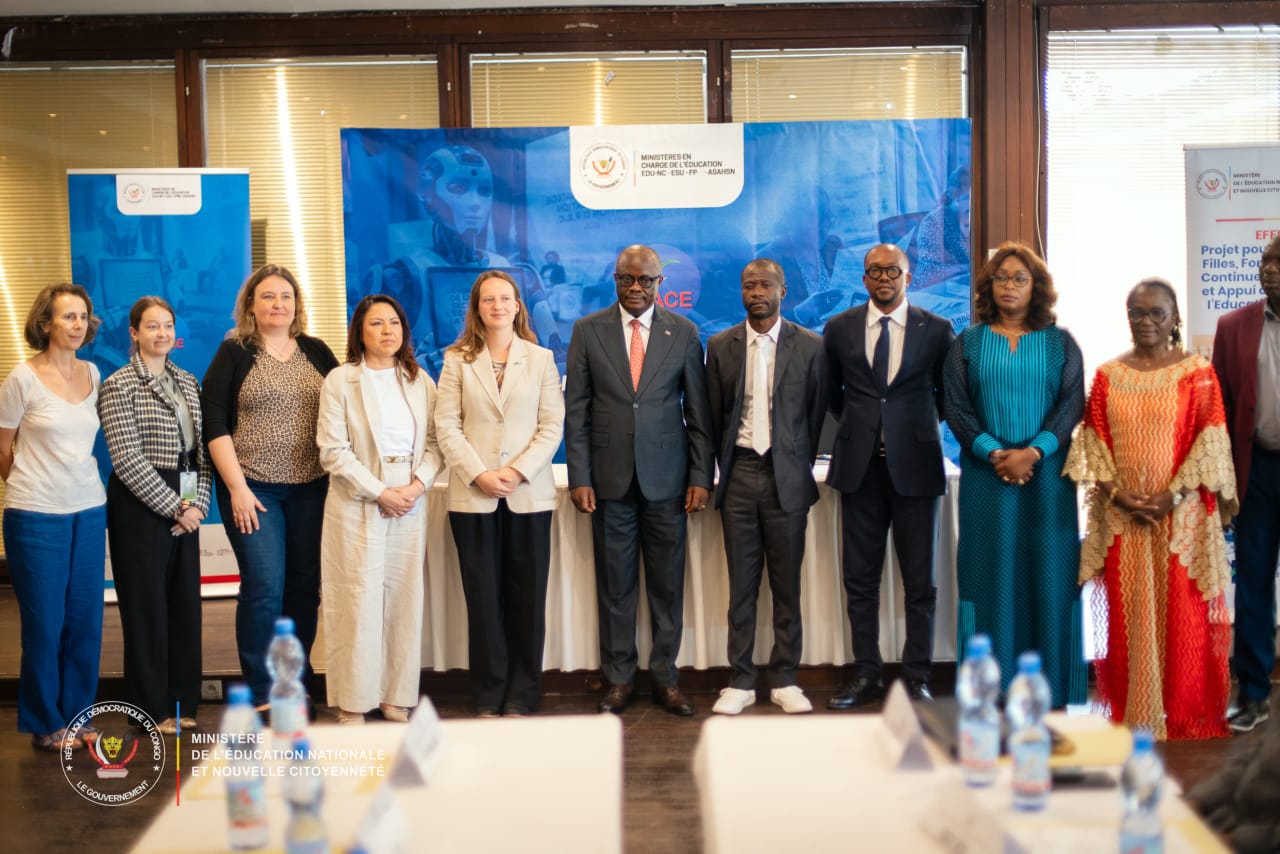
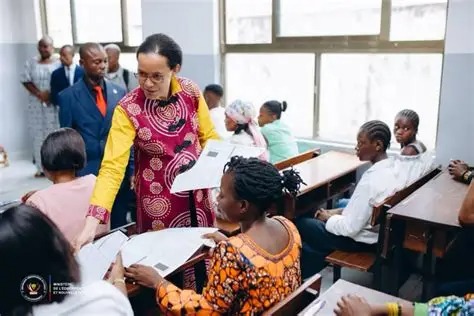
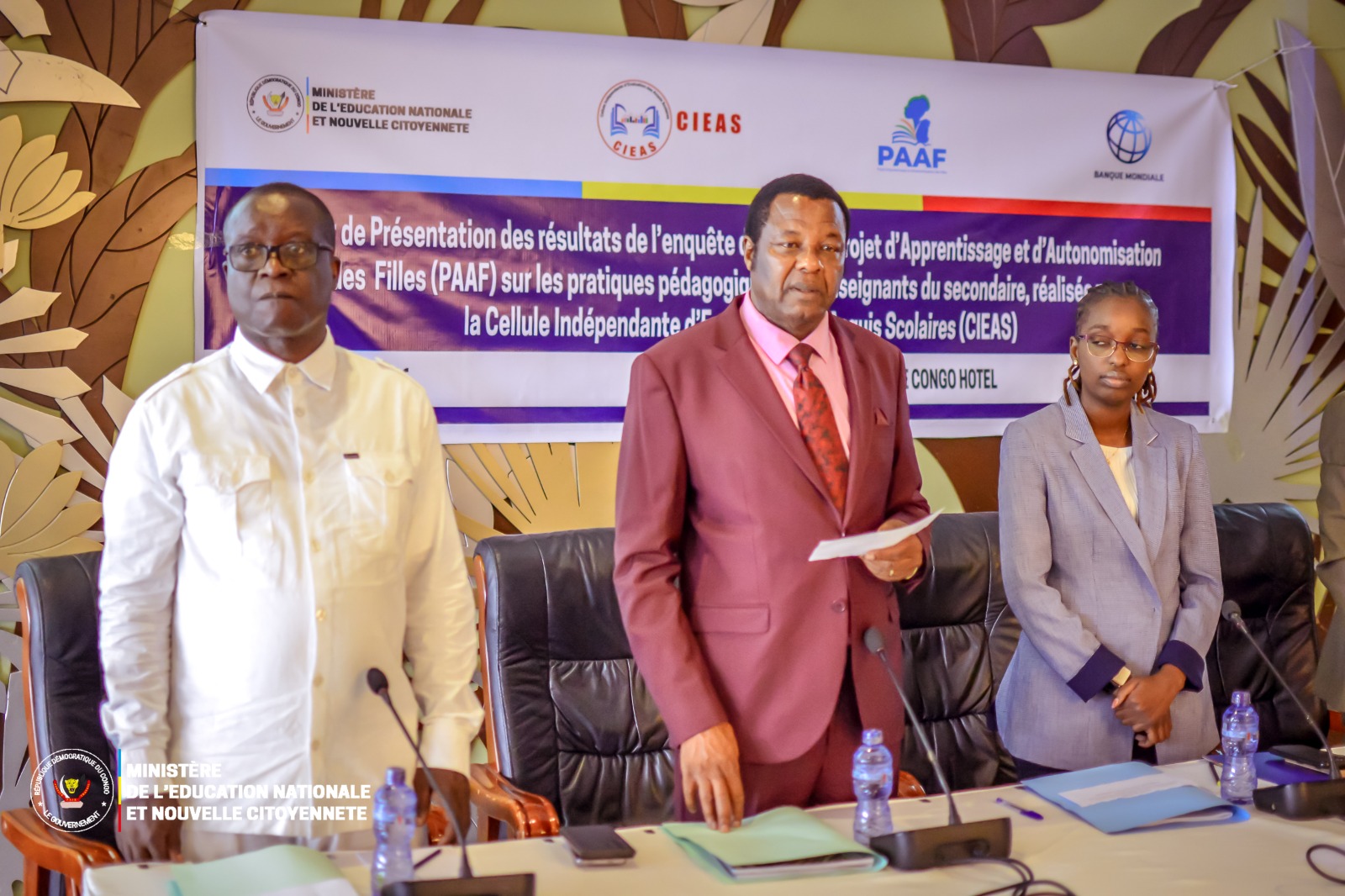
“With PEQIP, we hope that our teachers will be better trained and that our children will learn in better conditions,” said a mother of a student, expressing the hope shared by many families.Participatory and Inclusive Workshops The consultation workshops, organized in each educational province, take place over two days and alternate between technical presentations, participatory discussions, and co-creation sessions. They enable participants to better understand the objectives and components of the projects, while fostering local ownership of their expected outcomes. The main concerns raised include the quality of education, the fight against gender-based violence (GBV), and the promotion of the inclusion of girls and indigenous peoples in the implementation of these projects. An Ongoing National Mobilization Effort This mobilization campaign, still in its early stages, is already helping to strengthen the bond of trust between MINEDU-NC and the communities. The ministry plans to reach more than 80% of stakeholders in the target provinces by the end of October 2025. To achieve this, several communication channels are being utilized: radio, television, posters, social media, and community meetings. In Kananga, where the first series of workshops concluded, one participant expressed relief at feeling “finally heard. This isn’t just a workshop; it’s a turning point for our children’s education.” Funding and Technical Support PEQIP is funded by the Global Partnership for Education (GPE), with technical support from the World Bank, while PAAF receives direct funding from the World Bank. Both projects are part of the Congolese government’s vision to improve the quality of learning, reduce gender inequalities, and promote inclusive and equitable education for all children. Moïse Dianyishayi
Filter by structure or document type to find the right content.
For any report or information related to national education and new citizenship, call 178