Actualités
16 April 2026

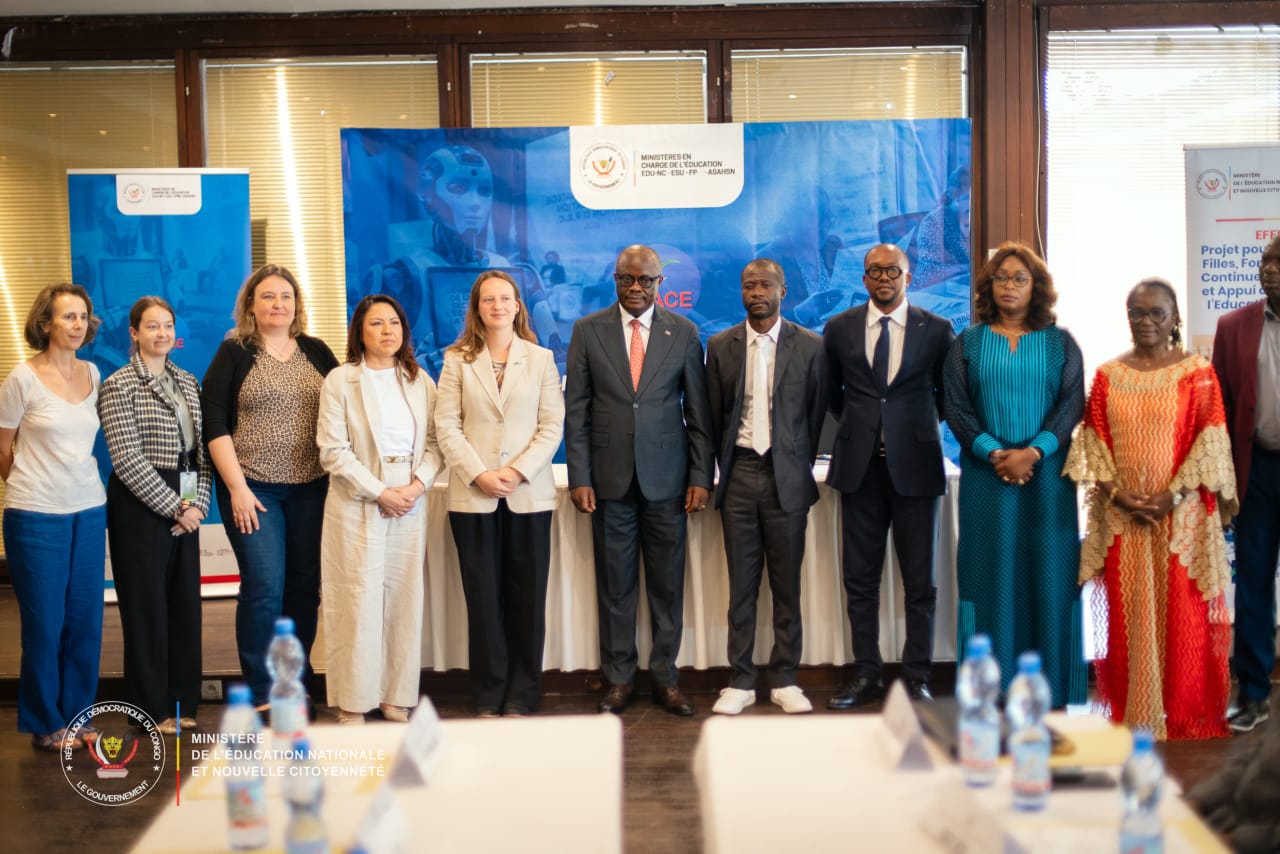
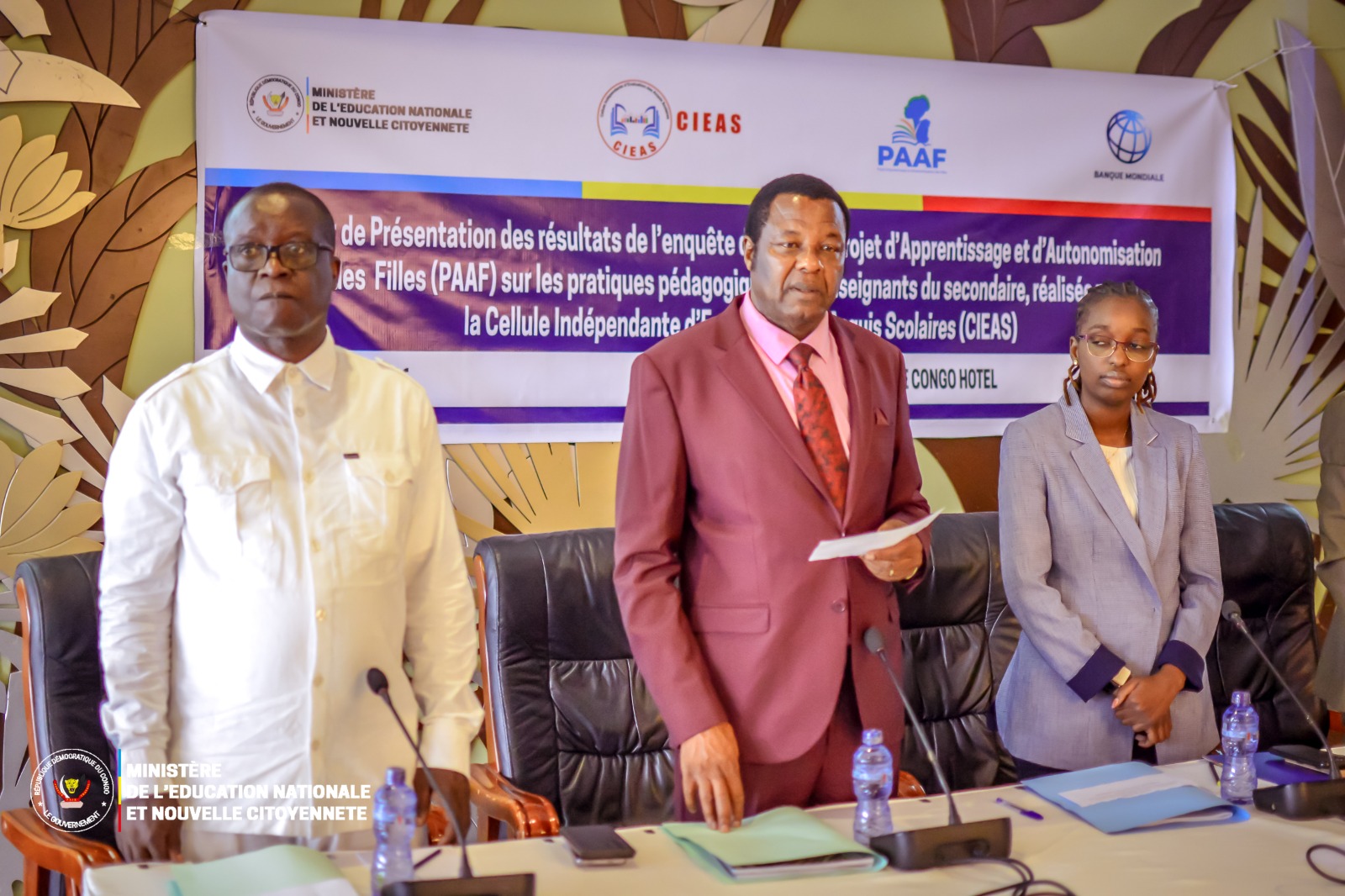
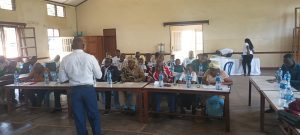 For his part, Mr. Nico Muamba Kamba, Provincial Minister of Education, highlighted the crucial support of the World Bank, PERSE’s main financial partner, amounting to $800 million.
According to him, more than three million children across the Democratic Republic of the Congo are already directly benefiting from the project’s impact.
Highlight of the day:
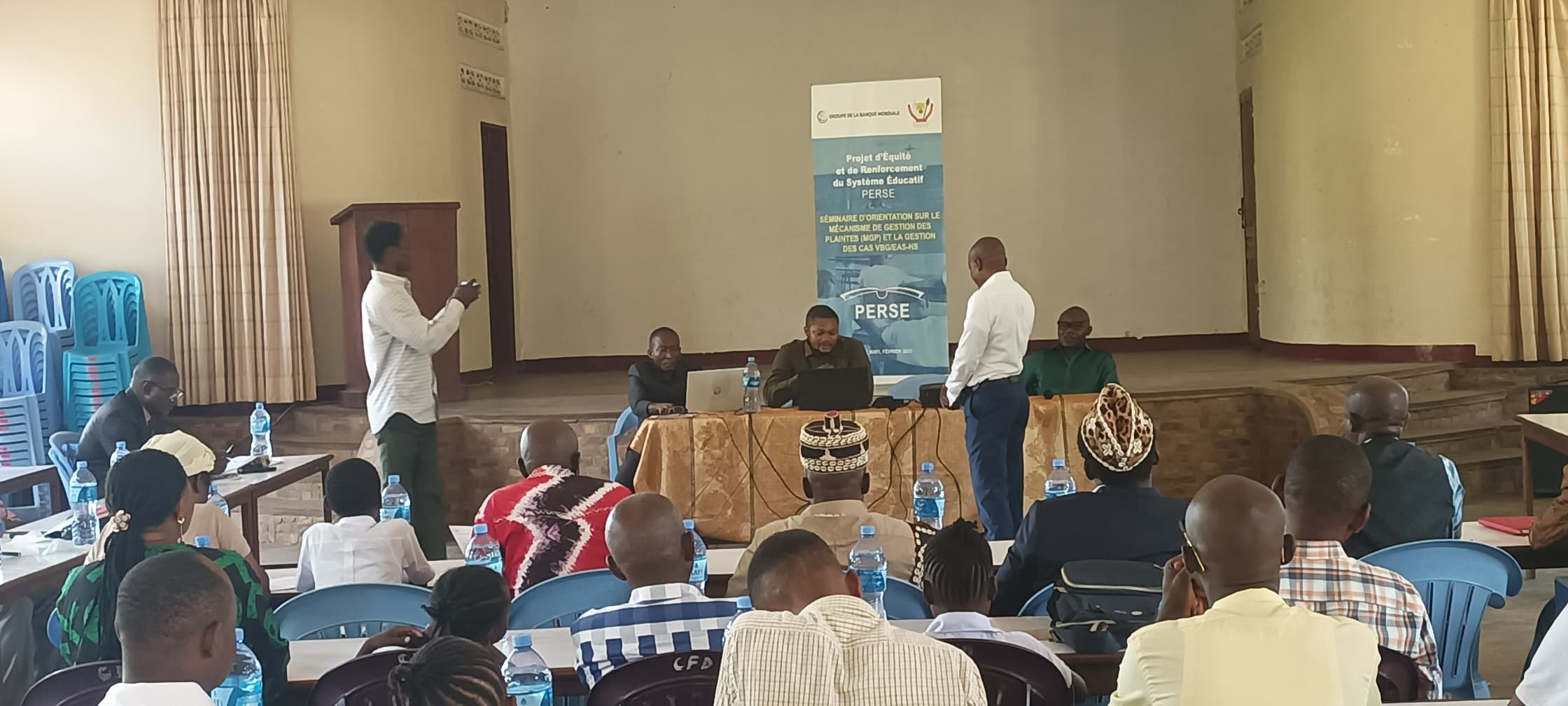
The presentation by Mr. Jean Jeef Mwanza, Director and Head of the Communication Management Division at the Ministry, who, before an attentive audience, detailed six structural reforms supported by PERSE:
1. Automation of the education management information system (e-SIGE);
2. Automation or digitization of the teacher payroll system;
3. Streamlining the process for establishing schools and administrative offices;
4. Implementation of an equitable allocation of operating costs to public primary schools;
5. Implementation of an open, transparent, and merit-based recruitment system for teachers and principals of public primary schools;
6. Establishment of a Complaints Management Mechanism (MGP) within the Ministry.
Each reform sparked lively discussions, reflecting the participants’ growing interest in and understanding of the challenges involved in modernizing the Congolese education system.
In closing, the participants reaffirmed that the success of PERSE depends on local ownership and constant dialogue between the Ministry, provincial administrations, and education stakeholders. This aligns with MINEDU-NC’s first guiding principle, ensuring that reforms reflect real-world needs on the ground and that every stakeholder actively contributes to their implementation.
The workshop also aligned with the Ministry’s fourth guiding principle by promoting inclusive and equitable education, accessible to all children—girls and boys alike—and incorporating the prevention of gender-based violence.
Aligned with the vision of the Government’s Five-Year Plan, which places human capital development at the heart of national priorities, the Mbuji-Mayi workshop demonstrated that
reform means building a sustainable future. And PERSE now stands as one of the most concrete pillars of educational transformation in the DRC.
Led by the Congolese government, through MINEDU-NC, and supported by the World Bank, PERSE is structured around three strategic pillars:
* Ensuring free primary education, with funding of $410 million;
* Improving the quality of education, with support of $290 million;
* Strengthening the governance of the education system, through an investment of $100 million.
Thus, PERSE stands as a key instrument for free, inclusive, and quality education, serving the development of the DRC.
Dan de Dieu Kayanda
For his part, Mr. Nico Muamba Kamba, Provincial Minister of Education, highlighted the crucial support of the World Bank, PERSE’s main financial partner, amounting to $800 million.
According to him, more than three million children across the Democratic Republic of the Congo are already directly benefiting from the project’s impact.
Highlight of the day:
The presentation by Mr. Jean Jeef Mwanza, Director and Head of the Communication Management Division at the Ministry, who, before an attentive audience, detailed six structural reforms supported by PERSE:
1. Automation of the education management information system (e-SIGE);
2. Automation or digitization of the teacher payroll system;
3. Streamlining the process for establishing schools and administrative offices;
4. Implementation of an equitable allocation of operating costs to public primary schools;
5. Implementation of an open, transparent, and merit-based recruitment system for teachers and principals of public primary schools;
6. Establishment of a Complaints Management Mechanism (MGP) within the Ministry.
Each reform sparked lively discussions, reflecting the participants’ growing interest in and understanding of the challenges involved in modernizing the Congolese education system.
In closing, the participants reaffirmed that the success of PERSE depends on local ownership and constant dialogue between the Ministry, provincial administrations, and education stakeholders. This aligns with MINEDU-NC’s first guiding principle, ensuring that reforms reflect real-world needs on the ground and that every stakeholder actively contributes to their implementation.
The workshop also aligned with the Ministry’s fourth guiding principle by promoting inclusive and equitable education, accessible to all children—girls and boys alike—and incorporating the prevention of gender-based violence.
Aligned with the vision of the Government’s Five-Year Plan, which places human capital development at the heart of national priorities, the Mbuji-Mayi workshop demonstrated that
reform means building a sustainable future. And PERSE now stands as one of the most concrete pillars of educational transformation in the DRC.
Led by the Congolese government, through MINEDU-NC, and supported by the World Bank, PERSE is structured around three strategic pillars:
* Ensuring free primary education, with funding of $410 million;
* Improving the quality of education, with support of $290 million;
* Strengthening the governance of the education system, through an investment of $100 million.
Thus, PERSE stands as a key instrument for free, inclusive, and quality education, serving the development of the DRC.
Dan de Dieu Kayanda
Filter by structure or document type to find the right content.

For any report or information related to national education and new citizenship, call 178