Actualités
16 April 2026


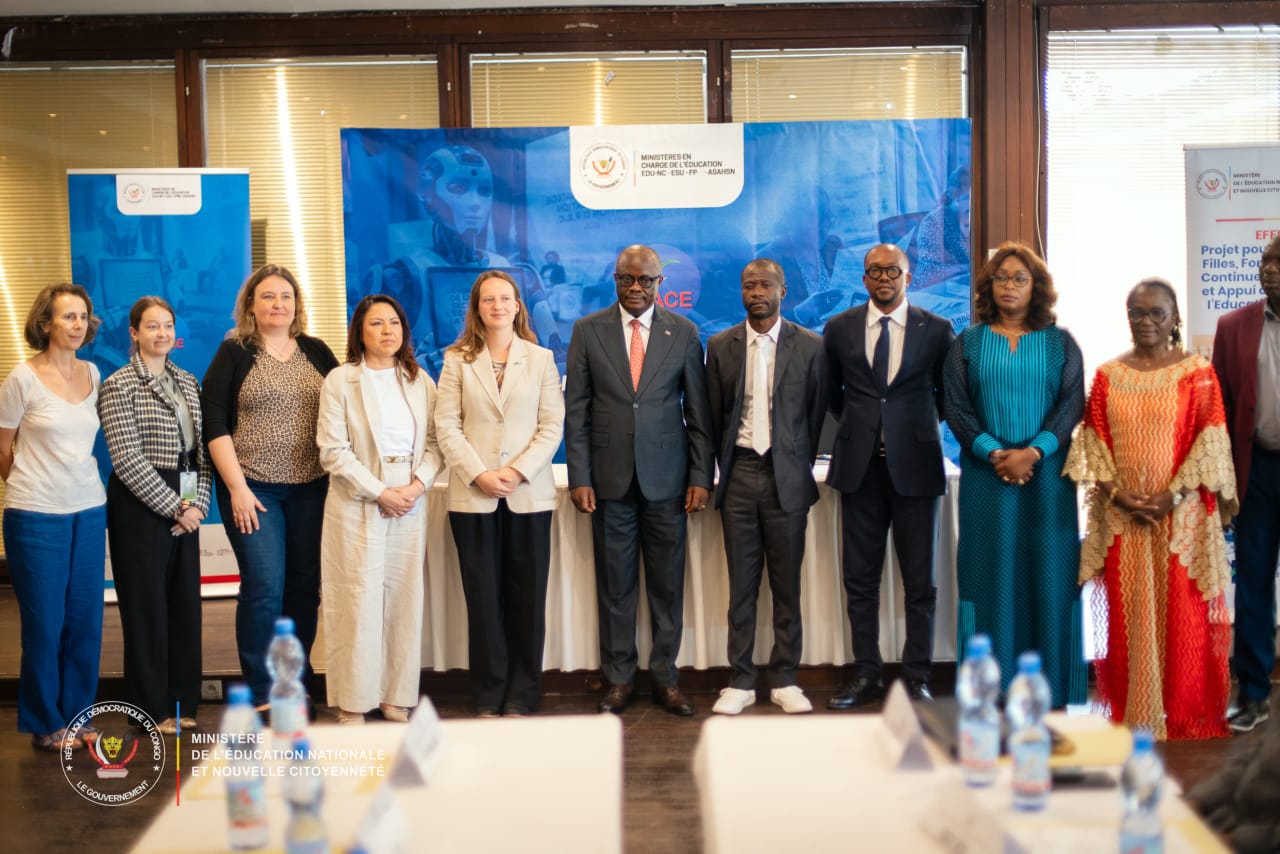
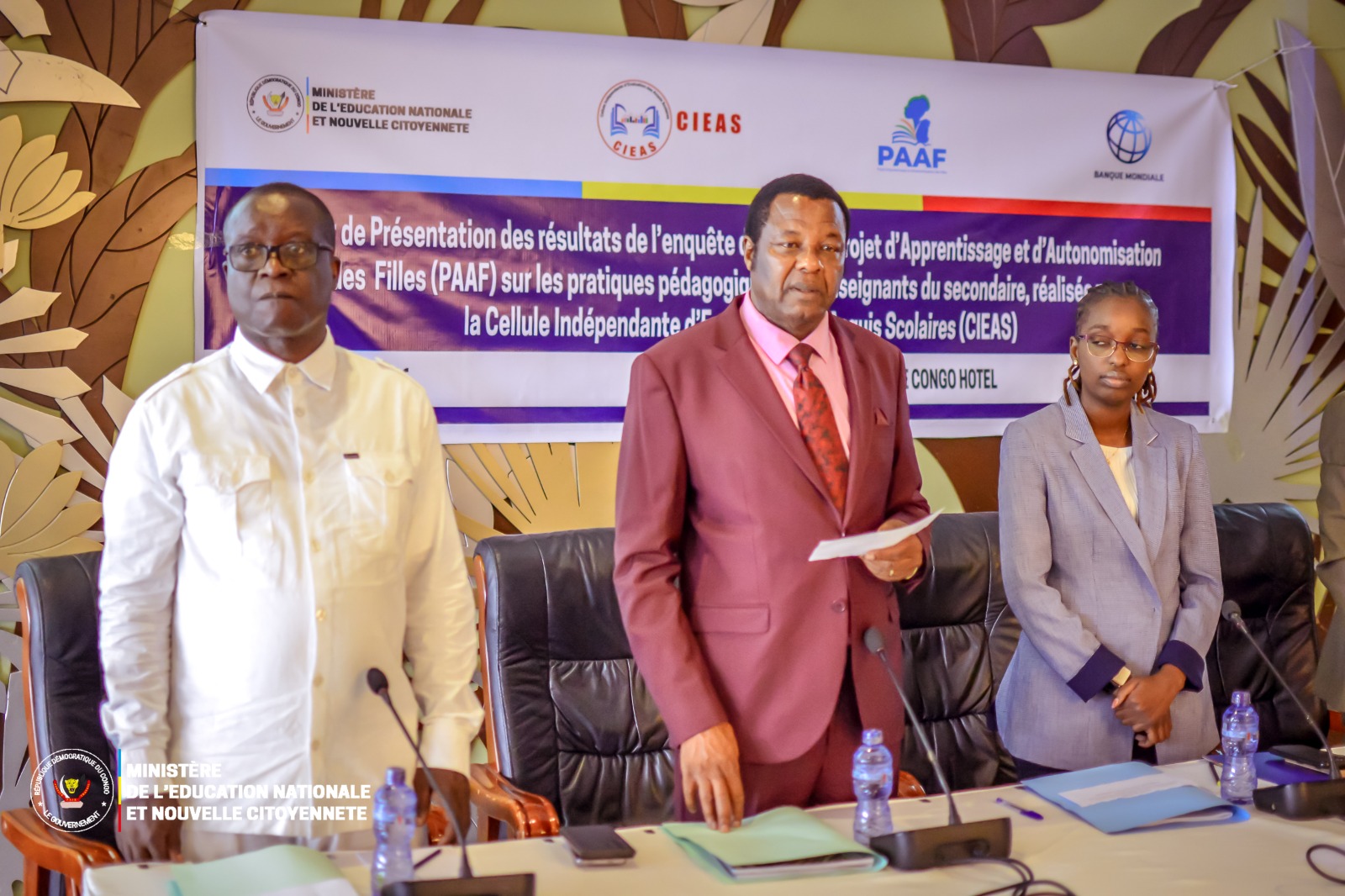
 The discussions highlighted the alarming state of learning conditions in the country.
The study presented during the workshop revealed alarming levels of insecurity around schools. Approximately 66% of students and 87% of teachers reported safety concerns, particularly during their commutes to school.
Risks vary from province to province, with traffic accidents and assaults in the west of the country, while the east is marked by armed conflict and kidnappings.
Despite the implementation of free public primary education, school exclusion remains a major challenge.
Nearly 25.7% of the students surveyed noted that children in their communities did not have access to education. The most vulnerable—often from disadvantaged backgrounds, families living with disabilities, or those affected by conflict—are the most impacted by this situation.
Violence, both physical and verbal, is also rampant in schools. According to the study, 27.4% of teachers reported conflicts among students. Gender-based violence is common, often occurring in places such as classrooms and restrooms, and particularly affecting girls. This situation raises concerns about the safety and well-being of students.
Another issue raised during the workshop is the poor functioning of the Complaints Management Mechanism (CMM). Few students and teachers are aware of its existence, which limits its effectiveness. The majority of complaints are addressed directly to teachers or principals, making it difficult to manage conflicts and abuse.
To address these issues, the workshop made several recommendations to the government.
In particular, it is proposed to intensify ongoing teacher training, rehabilitate schools in a state of advanced disrepair, and build new infrastructure to reduce class sizes.
Other measures include promoting special education and integrating conflict prevention mechanisms into teacher training, as well as providing vocational training for young offenders to combat school violence.
It should be noted that the findings of this study highlight major challenges in ensuring equitable and safe education in the DRC. The success of the recommended initiatives will depend on the collective commitment of all stakeholders to implement these measures and thus work toward a better future for Congolese youth.
Célestin Zeula
The discussions highlighted the alarming state of learning conditions in the country.
The study presented during the workshop revealed alarming levels of insecurity around schools. Approximately 66% of students and 87% of teachers reported safety concerns, particularly during their commutes to school.
Risks vary from province to province, with traffic accidents and assaults in the west of the country, while the east is marked by armed conflict and kidnappings.
Despite the implementation of free public primary education, school exclusion remains a major challenge.
Nearly 25.7% of the students surveyed noted that children in their communities did not have access to education. The most vulnerable—often from disadvantaged backgrounds, families living with disabilities, or those affected by conflict—are the most impacted by this situation.
Violence, both physical and verbal, is also rampant in schools. According to the study, 27.4% of teachers reported conflicts among students. Gender-based violence is common, often occurring in places such as classrooms and restrooms, and particularly affecting girls. This situation raises concerns about the safety and well-being of students.
Another issue raised during the workshop is the poor functioning of the Complaints Management Mechanism (CMM). Few students and teachers are aware of its existence, which limits its effectiveness. The majority of complaints are addressed directly to teachers or principals, making it difficult to manage conflicts and abuse.
To address these issues, the workshop made several recommendations to the government.
In particular, it is proposed to intensify ongoing teacher training, rehabilitate schools in a state of advanced disrepair, and build new infrastructure to reduce class sizes.
Other measures include promoting special education and integrating conflict prevention mechanisms into teacher training, as well as providing vocational training for young offenders to combat school violence.
It should be noted that the findings of this study highlight major challenges in ensuring equitable and safe education in the DRC. The success of the recommended initiatives will depend on the collective commitment of all stakeholders to implement these measures and thus work toward a better future for Congolese youth.
Célestin Zeula
Filter by structure or document type to find the right content.

For any report or information related to national education and new citizenship, call 178