Actualités
16 April 2026

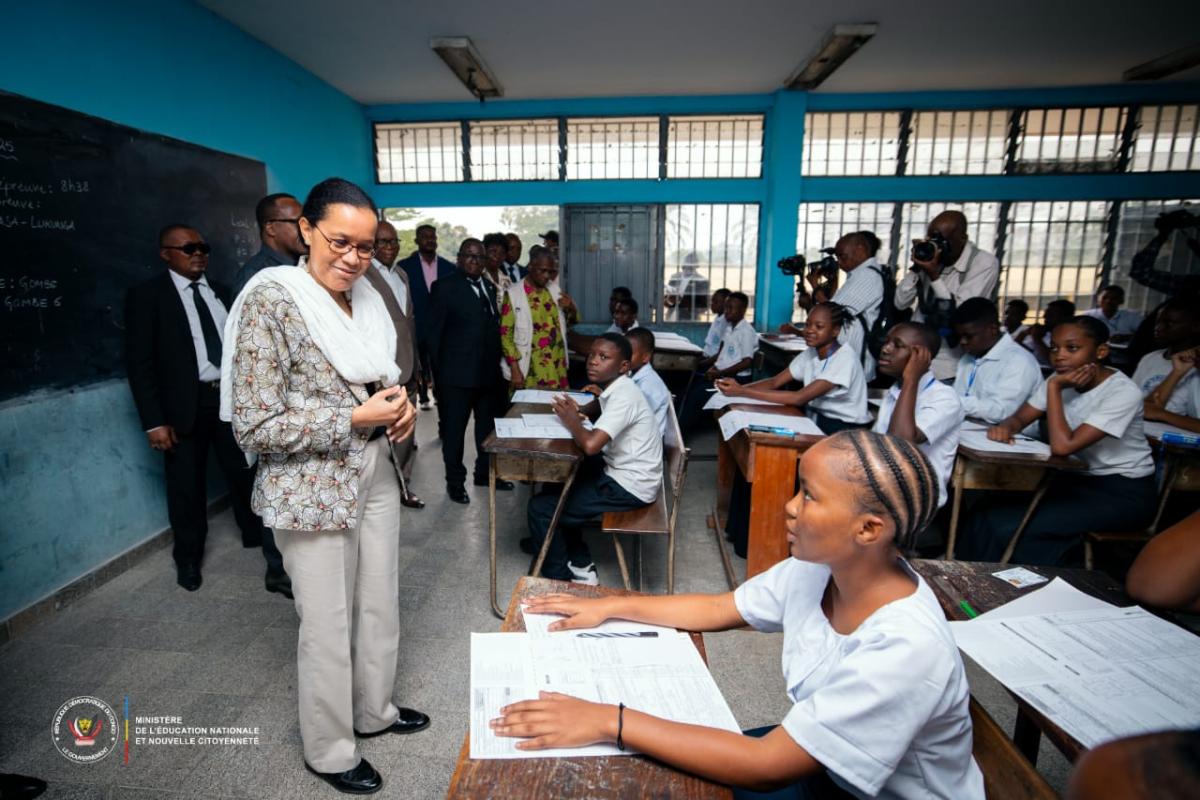
Activities marking International Women’s Day officially concluded on Tuesday, March 31, across the Democratic Republic of the Congo.
This closing coincided with the celebration of the second annual National Day of Positive Masculinity.
At the launch of the month-long activities dedicated to women, Minister of State and Minister of National Education and New Citizenship, Raïssa Malu, reaffirmed the ministry’s commitment to strengthening the role of girls in society through the school curriculum in order to encourage their leadership and promote their rights throughout society.
On the occasion of this national day, the Ministry of National Education and New Citizenship (MINEDU-NC) asserts itself as a key player in promoting positive masculinity. This ambition is reflected in particular through the deconstruction of sociocultural norms starting at a young age, across preschool, primary, and secondary education.
In fact, since August 2025, the ministry has developed educational content dedicated to positive masculinity, intended to be integrated into school curricula.
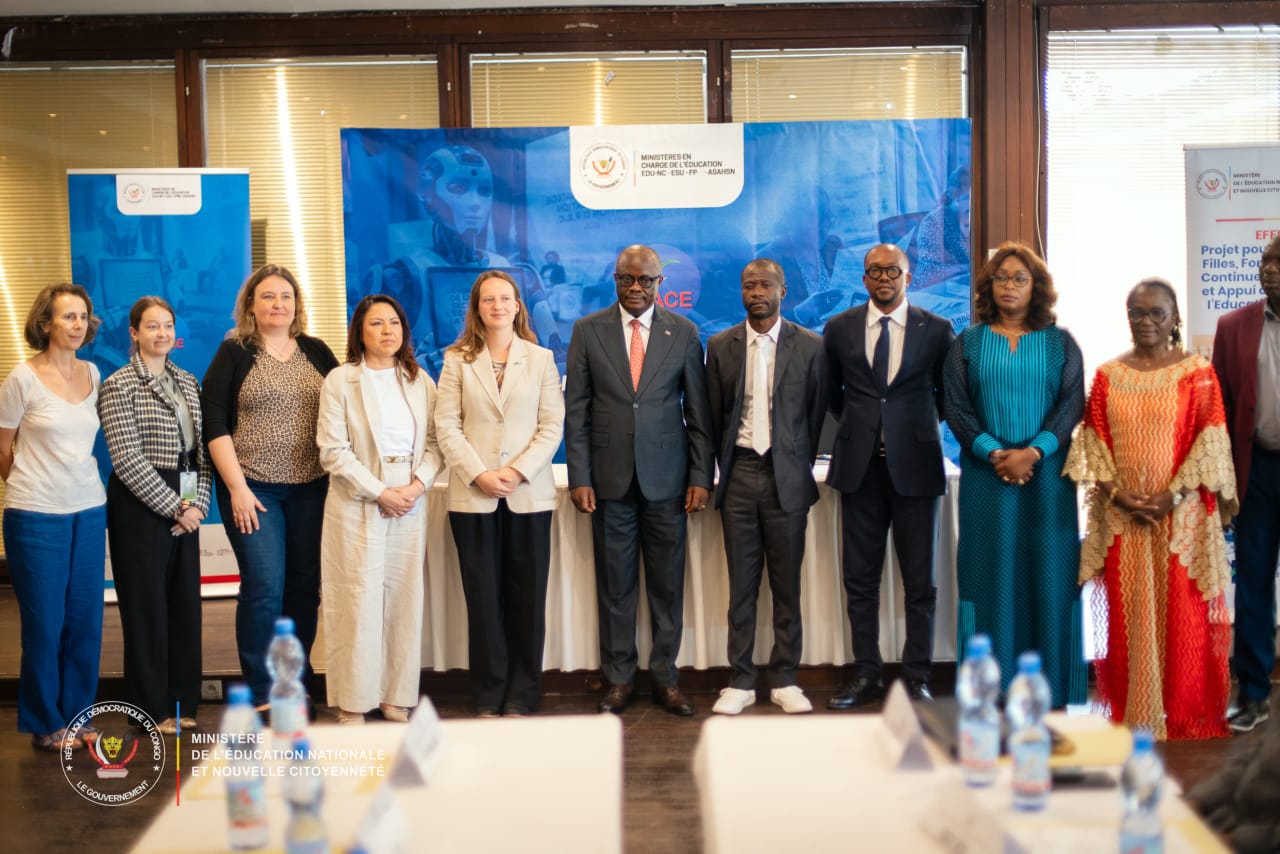
These modules were developed and validated during a workshop held in Matadi, in the province of Kongo Central, with support from the United Nations Development Programme (UNDP) and the Canadian government, in collaboration with the Ministries of Education and Gender, Family, and Children.
This workshop brought together several experts under the technical supervision of the Directorate of Life Skills Education (DEVC), whose mission is to ensure the protection of students against violence and discrimination.
Centered on the values of equality, respect, shared responsibility, and non-violence, these educational materials aim to deconstruct sociocultural norms and sexist socialization patterns rooted in oppressive masculinity.
They are part of the Congolese government’s efforts to effectively combat gender-based violence (GBV).
Once integrated into the curriculum, this content will enable boys to better engage with issues related to GBV, understanding that it is not solely a women’s issue but a shared responsibility.
Schools, as spaces for educating the citizens of tomorrow, play a decisive role in social transformation. The integration of positive masculinity into educational programs is therefore not limited to the introduction of a new subject, but constitutes an essential lever for building a more egalitarian, inclusive, peaceful, and prosperous society.
Furthermore, the Ministry notes that this initiative is part of the National Strategy for the Promotion of Positive Masculinity, aimed at actively involving men and boys in changing mindsets and building a more just society.
To date, the various stakeholders are continuing their work on implementing the roadmap adopted at the Matadi workshop, with a view to accelerating the effective integration of these contents into the education system.
Ivan Honoré Mudiangombé
Filter by structure or document type to find the right content.

For any report or information related to national education and new citizenship, call 178