RAP 2025: Minister of State Raïssa Malu presents recommendations for the government to honor its commitments to stakeholders

RAP 2025: Minister of State Raïssa Malu presents recommendations for the government to honor its commitments to stakeholders

News
01 September 2025
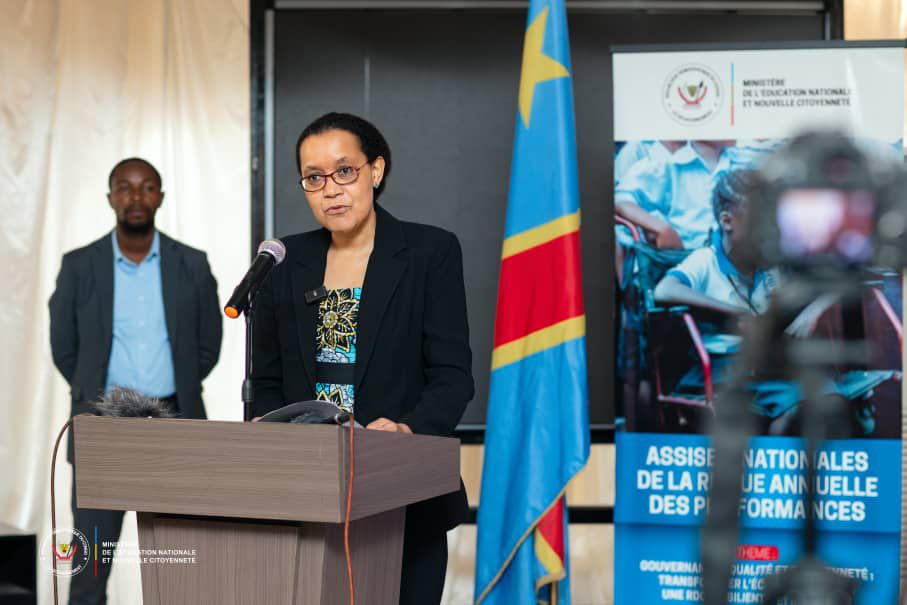
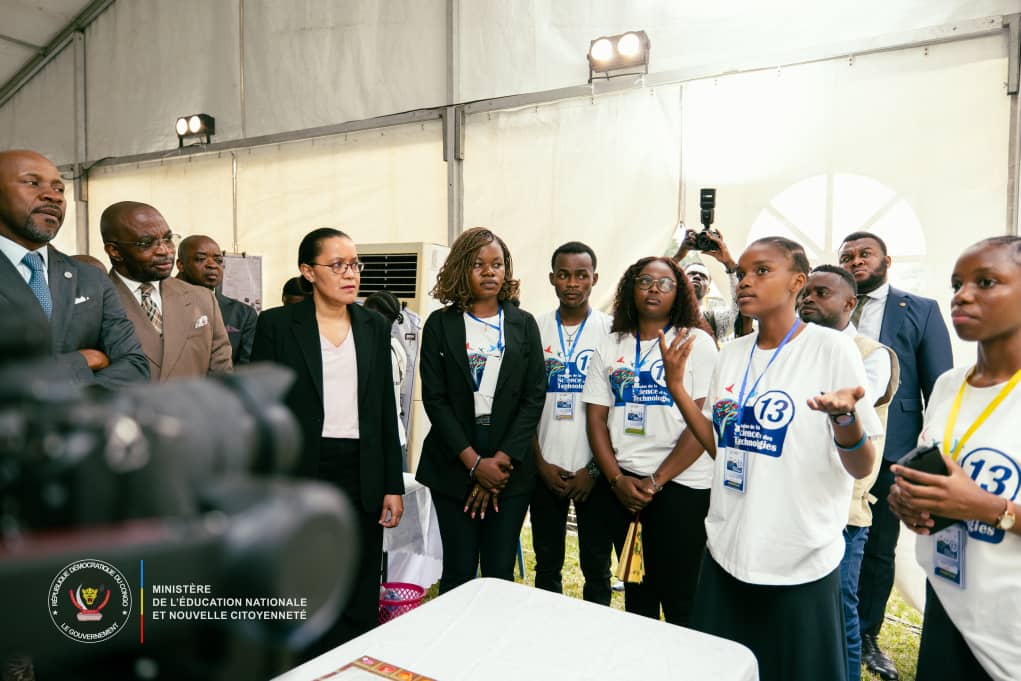
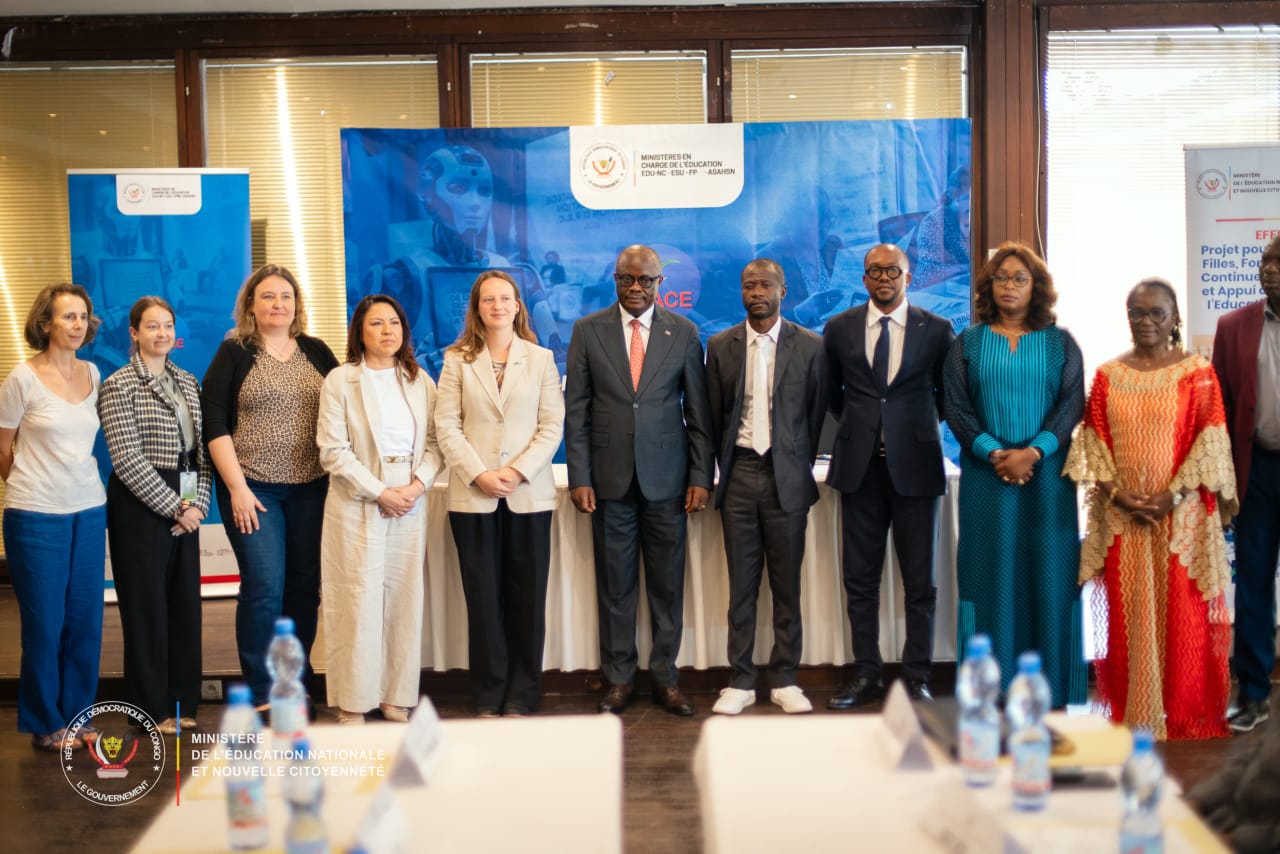
The Minister of State, Minister of National Education and New Citizenship (Edu-NC) Raïssa Malu presented, during the fifty-sixth meeting of the Council of Ministers on Friday, August 29, 2025, a set of recommendations resulting from the national conference on the Annual Performance Review (RAP) to ensure the smooth running of the 2025–2026 school year. Objective: to reiterate all the commitments made by the government the previous year to partners in the education sector. Ms. Raïssa Malu emphasized the importance of strictly following the President of the Republic’s instructions to avoid a crisis that could harm the fundamental education sector. A proactive approach is essential to guarantee a stable and peaceful learning environment. The Minister of Edu-NC also addressed the need to ensure social peace, which the President of the Republic considers the “foundation of all sustainable development.” The head of the education subsector emphasized the importance of fully and transparently fulfilling commitments to regain the trust of partners in the education sector. To support this initiative, an interministerial commission has been established to provide ongoing oversight of the implementation of social commitments, detailed in a specific roadmap. This commission is tasked with monitoring progress and ensuring that remaining commitments are pursued relentlessly. These actions are in line with the first guiding principle of the five-year plan, which establishes dialogue with stakeholders as the foundation for all planned actions. In this context, the Ministry is committed to maintaining an inclusive consultative process that takes into account the voices and needs of all stakeholders in the education sector, including students, teachers, parents, local communities, civil society organizations, as well as technical and financial partners. This ongoing dialogue will ensure that decisions made are representative, legitimate, and supported by all stakeholders. It will also facilitate buy-in for the reforms and their successful implementation at all levels of the education system. These recommendations are part of an effort to strengthen the education system in the Democratic Republic of the Congo. With progress already made, the hope is to build a solid and peaceful educational future for the nation. Célestin Zeula

Browse all publications

Filter by structure or document type to find the right content.

Telephone — hotline

For any report or information related to national education and new citizenship, call 178

Allo École