Actualités
16 April 2026

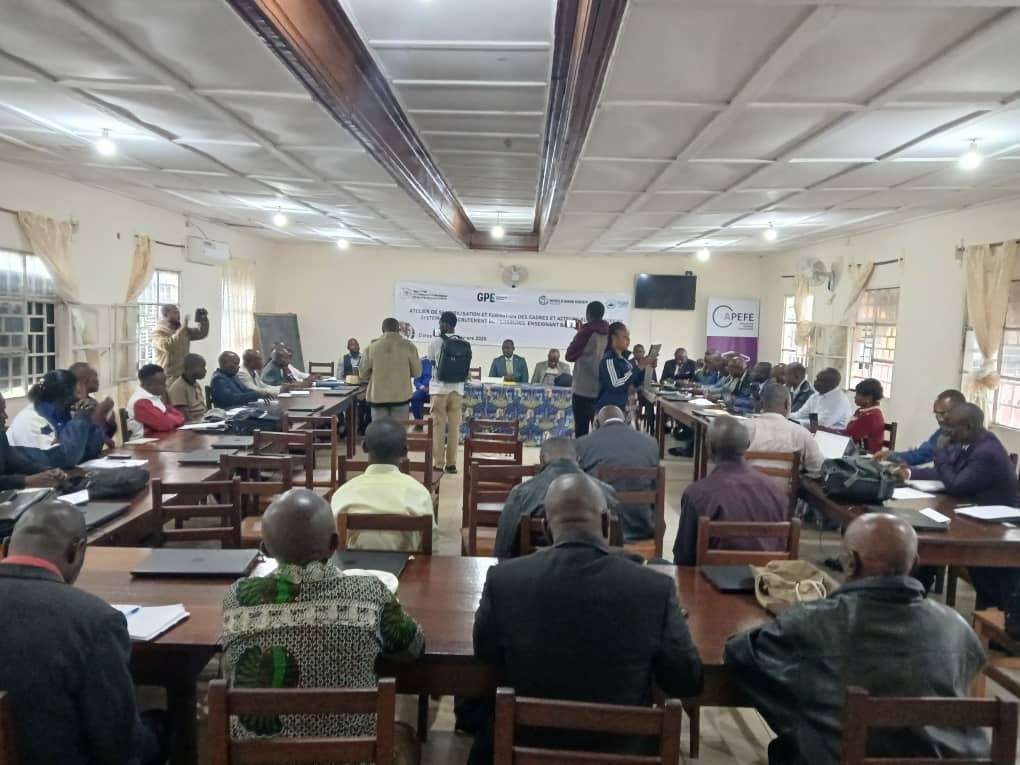
 This ambitious reform introduces major innovations, notably increased use of digital technology for managing applications and assessing skills, as well as enhanced transparency guarantees at every stage of the process. The stated goal is clear: to select the most competent new teachers and promote the most deserving principals and school leaders, in order to significantly improve the quality of education and, above all, the quality of teachers across the country. By putting an end to opaque practices that may be based on negative values, the Ministry aims to build a teaching profession and school leadership based on excellence and equity.
Tangible Benefits for Congolese Education
The expected benefits of this reform are numerous and significant. By attracting and retaining the best talent, the Congolese education system should benefit from a more motivated and high-performing teaching staff, especially since they will be hired for positions already budgeted. Similarly, promoting competent educational leaders to head schools is essential for creating a learning environment conducive to student success. These individuals must hold a DINACOPE ID to be promoted. The bottom line: no more N.U.s, interns, or novices in the position of elementary school principal. This new approach aims to decisively break with the logic of favoritism and establish a culture of performance and accountability within the education sector.
This ambitious reform introduces major innovations, notably increased use of digital technology for managing applications and assessing skills, as well as enhanced transparency guarantees at every stage of the process. The stated goal is clear: to select the most competent new teachers and promote the most deserving principals and school leaders, in order to significantly improve the quality of education and, above all, the quality of teachers across the country. By putting an end to opaque practices that may be based on negative values, the Ministry aims to build a teaching profession and school leadership based on excellence and equity.
Tangible Benefits for Congolese Education
The expected benefits of this reform are numerous and significant. By attracting and retaining the best talent, the Congolese education system should benefit from a more motivated and high-performing teaching staff, especially since they will be hired for positions already budgeted. Similarly, promoting competent educational leaders to head schools is essential for creating a learning environment conducive to student success. These individuals must hold a DINACOPE ID to be promoted. The bottom line: no more N.U.s, interns, or novices in the position of elementary school principal. This new approach aims to decisively break with the logic of favoritism and establish a culture of performance and accountability within the education sector. Challenges to Overcome for a Lasting Impact
While enthusiasm for this reform is palpable, challenges remain and must be addressed to ensure its long-term success. The digital divide, particularly pronounced in rural and remote areas, represents a major obstacle to equitable access to these new procedures. Ensuring reliable internet connectivity and adequate support for all candidates is a key priority. Despite this, initial feedback from the field is encouraging, indicating a gradual embrace of this new vision for education by local stakeholders.
The reform of the recruitment and promotion system in the national education system constitutes a fundamental investment in the future of the Democratic Republic of the Congo. By placing merit at the center of the selection and advancement of education professionals, the Ministry is sending a strong signal regarding its determination to build a high-quality education system capable of training the citizens of tomorrow. The success of this initiative will have a direct impact on the quality of education, student achievement, and, ultimately, the country’s overall development. The Ministry of National Education and New Citizenship and its partners are fully committed to carrying out this profound and necessary transformation.
It should be noted that the provinces involved in this mission include: Bas-Uele, Haut-Uele, Tshopo, Nord and Sud-Ubangi, Mongala, Tshuapa, Équateur, Maniema, Kwango, Mai-Ndombe, Haut-Katanga, Sankuru, Lualaba, Tanganyika, and Haut-Lomami.
This reform falls under the second pillar of the Sectoral Strategy for Education and Training (SSEF), which aims to improve the quality of education.
This government reform is supported by the Global Partnership for Education...
Rigobert MUKENDI
Challenges to Overcome for a Lasting Impact
While enthusiasm for this reform is palpable, challenges remain and must be addressed to ensure its long-term success. The digital divide, particularly pronounced in rural and remote areas, represents a major obstacle to equitable access to these new procedures. Ensuring reliable internet connectivity and adequate support for all candidates is a key priority. Despite this, initial feedback from the field is encouraging, indicating a gradual embrace of this new vision for education by local stakeholders.
The reform of the recruitment and promotion system in the national education system constitutes a fundamental investment in the future of the Democratic Republic of the Congo. By placing merit at the center of the selection and advancement of education professionals, the Ministry is sending a strong signal regarding its determination to build a high-quality education system capable of training the citizens of tomorrow. The success of this initiative will have a direct impact on the quality of education, student achievement, and, ultimately, the country’s overall development. The Ministry of National Education and New Citizenship and its partners are fully committed to carrying out this profound and necessary transformation.
It should be noted that the provinces involved in this mission include: Bas-Uele, Haut-Uele, Tshopo, Nord and Sud-Ubangi, Mongala, Tshuapa, Équateur, Maniema, Kwango, Mai-Ndombe, Haut-Katanga, Sankuru, Lualaba, Tanganyika, and Haut-Lomami.
This reform falls under the second pillar of the Sectoral Strategy for Education and Training (SSEF), which aims to improve the quality of education.
This government reform is supported by the Global Partnership for Education...
Rigobert MUKENDI
Filter by structure or document type to find the right content.

For any report or information related to national education and new citizenship, call 178