Actualités
16 April 2026

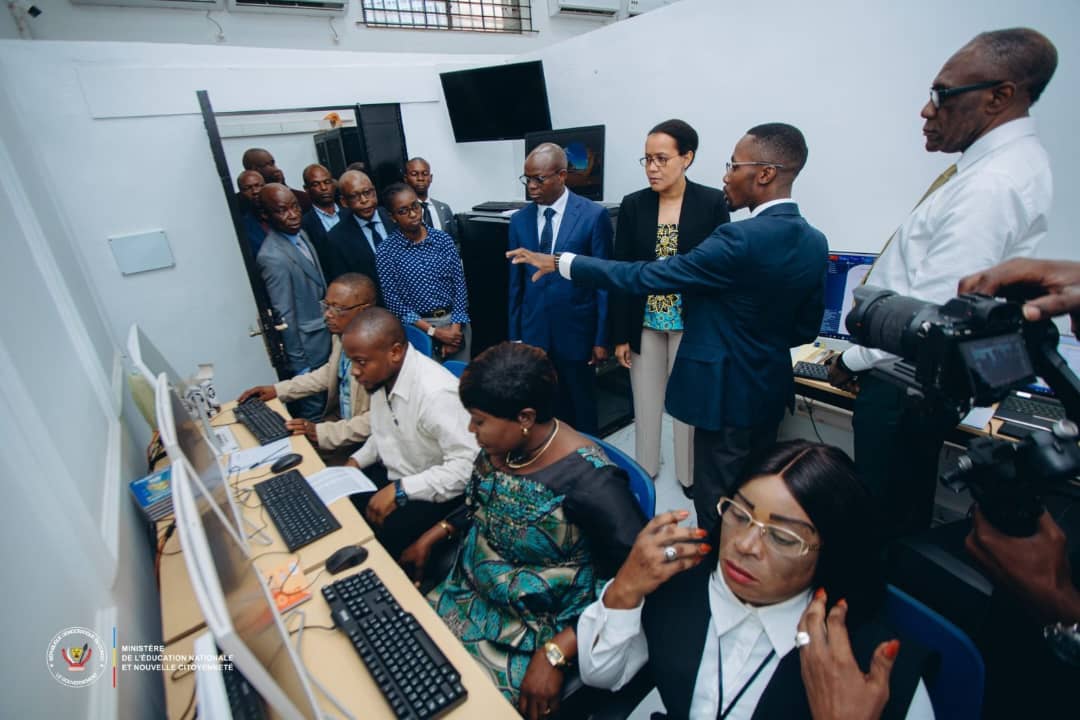
“Innovation isn’t magic; it’s hard work,” says Jacks Ngalangala, IT security advisor at the ministry.According to him, the exceptional performance of this year’s exams rests on three essential pillars: logistical optimization, the decentralization of grading centers, and the integration of an intelligent automated exam-processing system. Three educational provinces now have modern grading centers equipped with state-of-the-art technology, capable of processing exams from both their own region and neighboring provinces. This setup puts an end to the long delays caused by transporting exam papers to Kinshasa, while ensuring an efficient distribution of tasks. In the same vein, grading operations began on the first day of exams and continued without interruption, including on holidays. Technologically, the ministry has implemented a new system incorporating artificial intelligence, capable of processing more than 100 pages per minute. This technological advancement does not exclude the human factor: rigorous oversight remains in place at every stage of the process to ensure the reliability of the results.
“Getting the results in three days was not a goal in itself, but the natural consequence of a rigorously designed system,” insists Mr. Ngalangala.The modernization does not stop there. The ministry has already announced the upcoming introduction of electronic diplomas, part of a broader drive toward digital transformation in the education sector. This vast innovation initiative responds to a clear ambition: to build a school system that is more efficient, more responsive, and better adapted to the challenges of the 21st century. Ouriel Mangitukwa
Filter by structure or document type to find the right content.

For any report or information related to national education and new citizenship, call 178