Actualités
16 April 2026
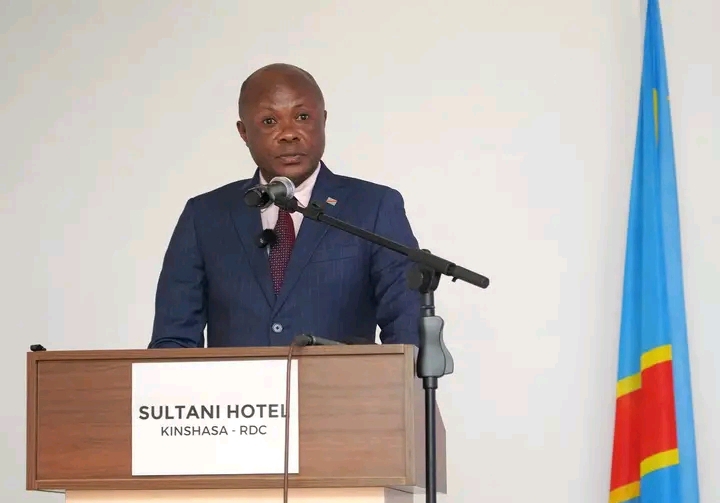
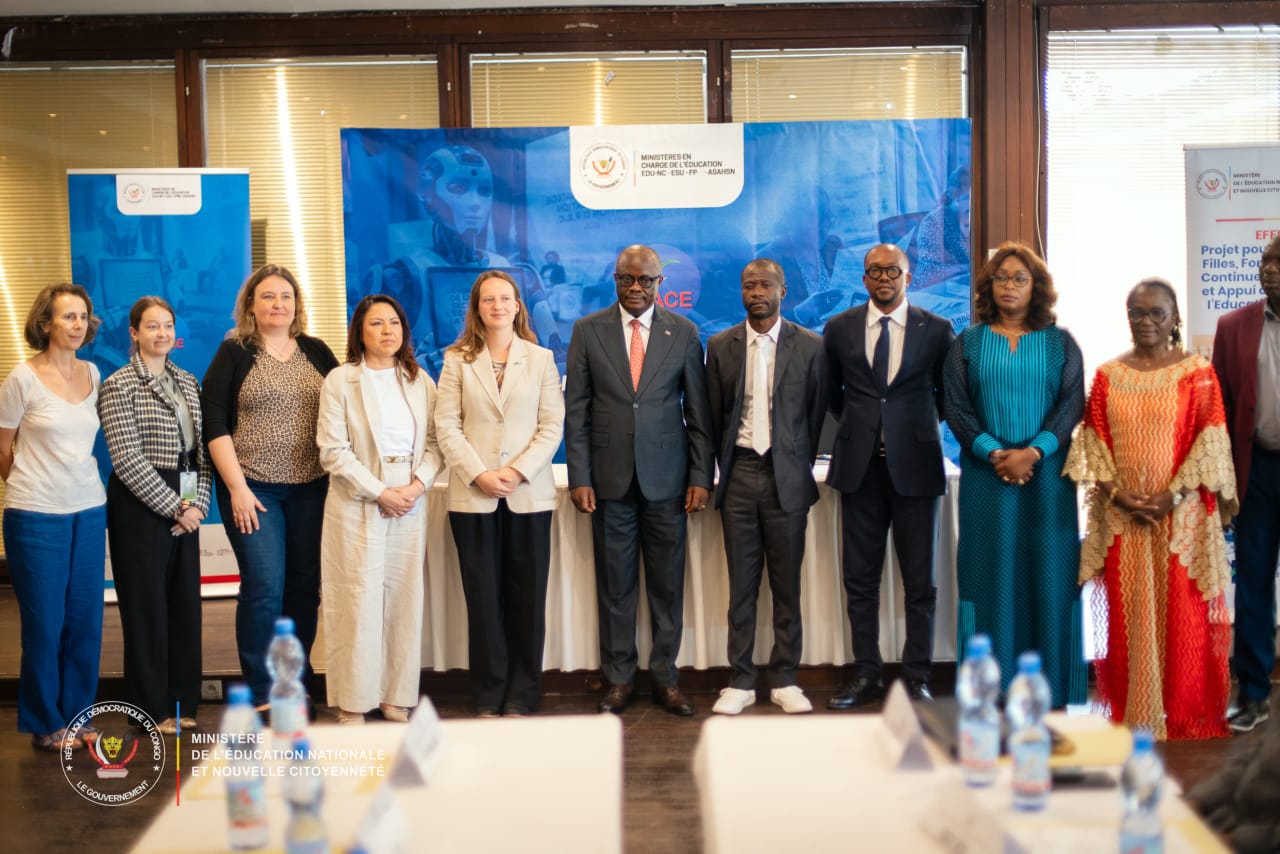
"This reform by the Ministry embodies the government’s commitment to providing the DRC with a coherent, inclusive, and competency-based curriculum to meet the country’s development needs as well as the aspirations of its youth. It is the foundation for the design of our curriculum at all levels of our education subsector. It will ensure the relevance of learning, the promotion of civic values, and the recognition of our nation’s linguistic and cultural diversity,” he stated.For his part, UNESCO’s Resident Representative in the DRC, Isaias Barreto da Rosa, emphasized that “the reform is part of a broader effort to overhaul the Democratic Republic of the Congo’s education system. The country is firmly committed to a process of modernization.”
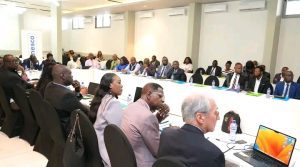 According to him, updating the curriculum framework is a strategic necessity and an ambitious response to structural challenges such as digital development, gender, diversity, and inclusion.
For the Acting Secretary General of the Ministry of Education and New Citizenship, Mr. Alexis Yoka, this is a tool that translates the framework’s principles into curriculum design, teacher training, and classroom practices to prepare students to succeed in school and integrate into social, economic, and civic life.
It is important to note that this reform is part of the second strategic pillar of the Ministry of Education’s five-year plan, which aims to improve the quality of learning. It seeks to thoroughly revise curricula to adapt them to students’ current and future needs, while strengthening teacher training so that educators can deliver high-quality instruction aligned with international standards.
Célestin Zeula
According to him, updating the curriculum framework is a strategic necessity and an ambitious response to structural challenges such as digital development, gender, diversity, and inclusion.
For the Acting Secretary General of the Ministry of Education and New Citizenship, Mr. Alexis Yoka, this is a tool that translates the framework’s principles into curriculum design, teacher training, and classroom practices to prepare students to succeed in school and integrate into social, economic, and civic life.
It is important to note that this reform is part of the second strategic pillar of the Ministry of Education’s five-year plan, which aims to improve the quality of learning. It seeks to thoroughly revise curricula to adapt them to students’ current and future needs, while strengthening teacher training so that educators can deliver high-quality instruction aligned with international standards.
Célestin Zeula
Filter by structure or document type to find the right content.

For any report or information related to national education and new citizenship, call 178