Actualités
16 April 2026

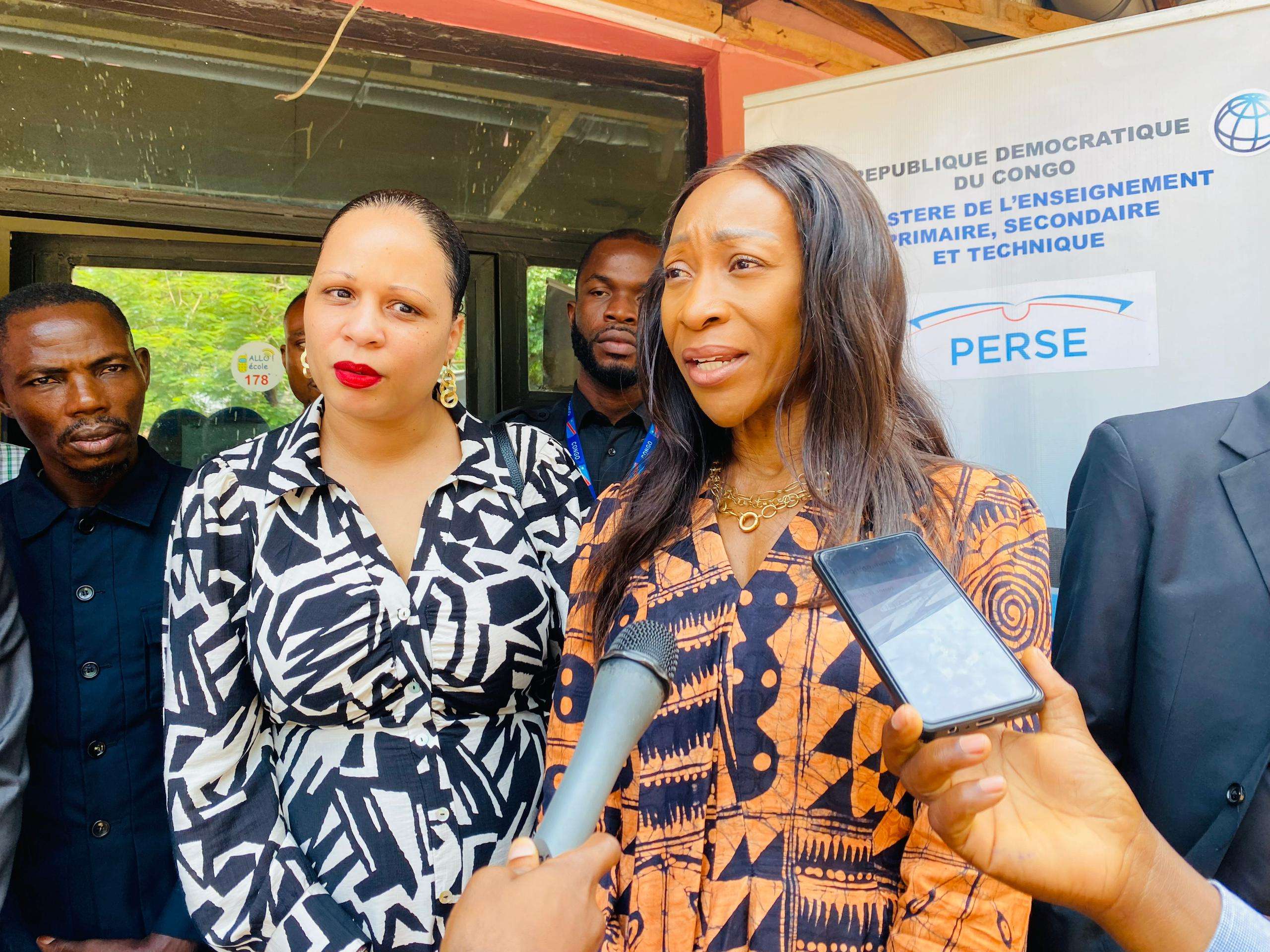
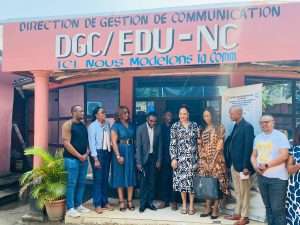
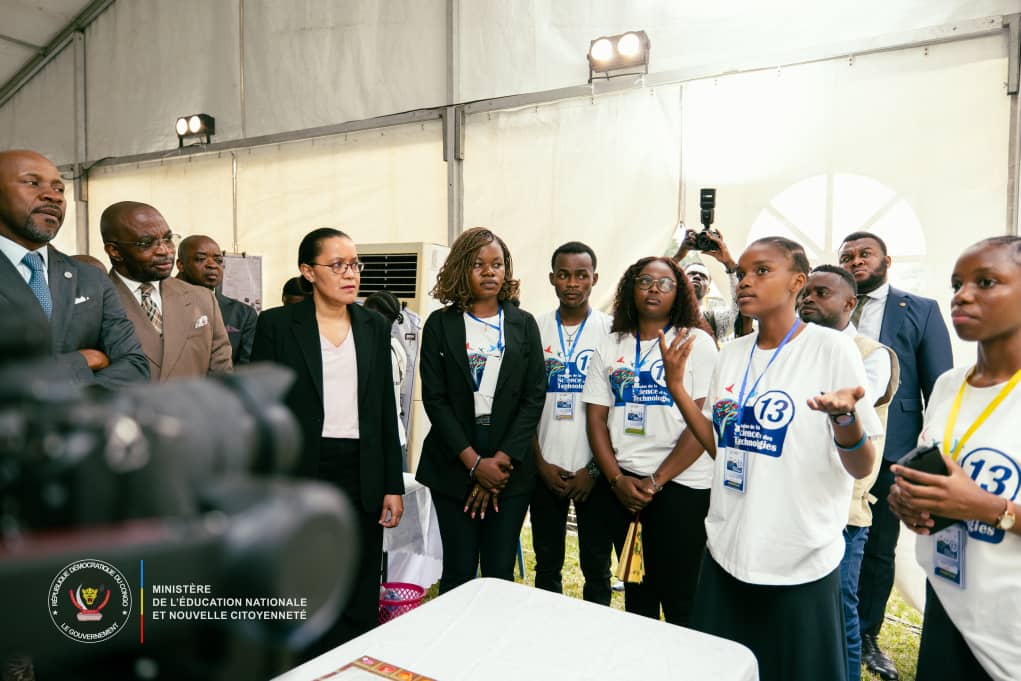
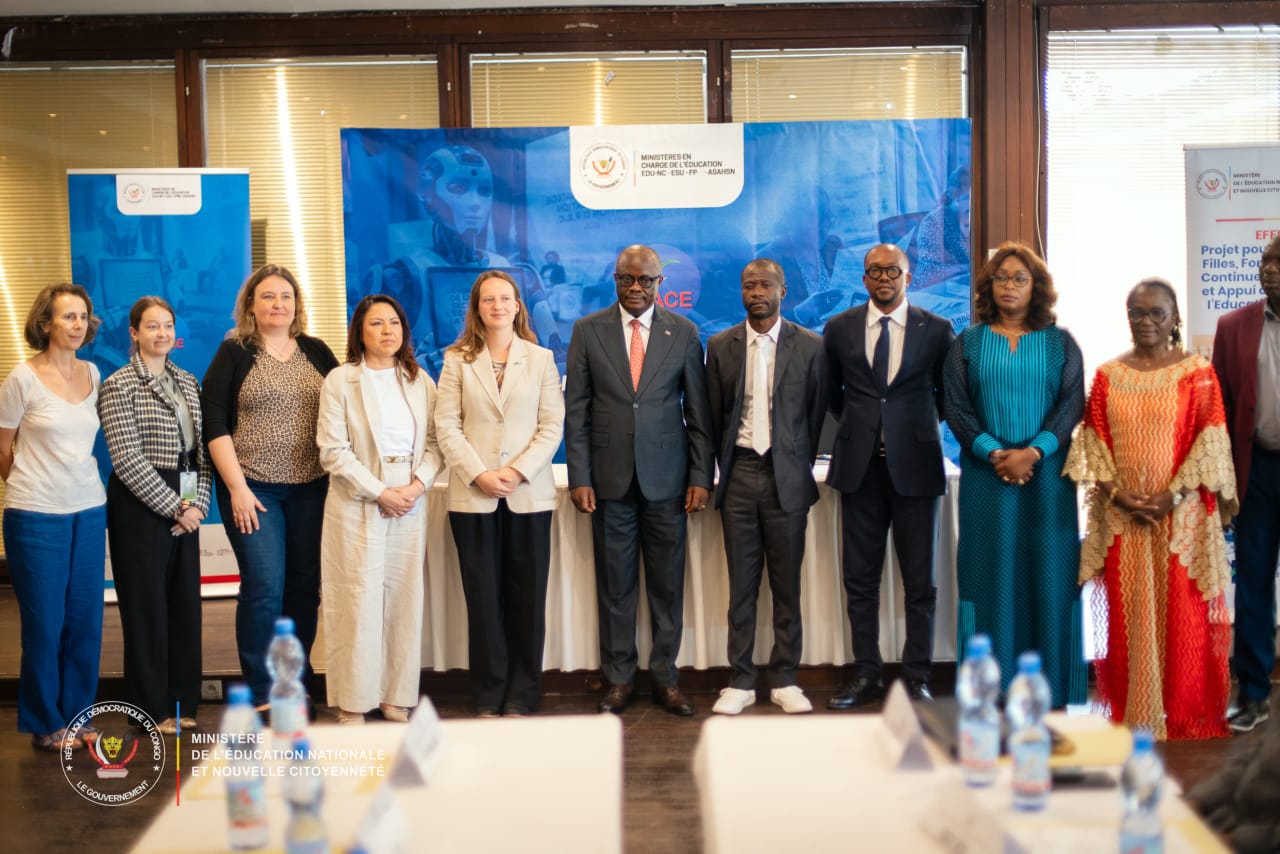
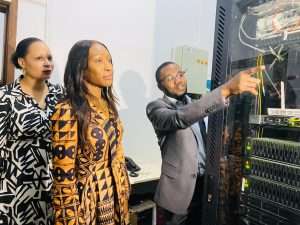
At the end of her visit, her face beaming with admiration, Édith Jibunoh did not hesitate to praise this initiative. “I am delighted to have finally been able to visit ‘Allô École.’ I’ve been hearing about it for years. This center is innovative and serves as a model for all countries seeking to bring citizens closer to institutions in order to better address their concerns,” she stated with conviction. Continuing her remarks, she emphasized the crucial importance of forging strong ties between the government, its agencies, and citizens. “My role is to support these channels of dialogue, because it is through them that trust in institutions is built. And without that trust, no lasting transformation is possible,” she added, highlighting the need for a shared commitment. Beyond expressing satisfaction, Jibunoh stressed the need for renewed support to ensure the center’s long-term viability. She emphasized that technical, human, and financial challenges should not hinder this promising momentum. Her message at the end of her visit was clear: “The Congolese experience with Allô École must serve as a model for other nations in the region.”
 Since its launch in March 2022, the “Allô École” Call Center has opened a new avenue for students, parents, and teachers, allowing them to report abuse, neglect, and violence—particularly gender-based violence (GBV)—via a toll-free hotline: 178. In a country still marked by inequality and violence in schools, this tool represents much more than a simple call center; it is a true lifeline for victims, a vital social indicator.
Thus, the World Bank’s recognition of the Congolese “Allô École” Call Center model sends a strong signal for the future, demonstrating the positive impact of well-designed local initiatives on societies seeking change.
Ivan Mudiangombe, Thierry Mbebangu & Nodriche Kasaï
Since its launch in March 2022, the “Allô École” Call Center has opened a new avenue for students, parents, and teachers, allowing them to report abuse, neglect, and violence—particularly gender-based violence (GBV)—via a toll-free hotline: 178. In a country still marked by inequality and violence in schools, this tool represents much more than a simple call center; it is a true lifeline for victims, a vital social indicator.
Thus, the World Bank’s recognition of the Congolese “Allô École” Call Center model sends a strong signal for the future, demonstrating the positive impact of well-designed local initiatives on societies seeking change.
Ivan Mudiangombe, Thierry Mbebangu & Nodriche Kasaï
Filter by structure or document type to find the right content.

For any report or information related to national education and new citizenship, call 178