Towards a National Strategy for Education in Emergencies (SNESU) in the DRC
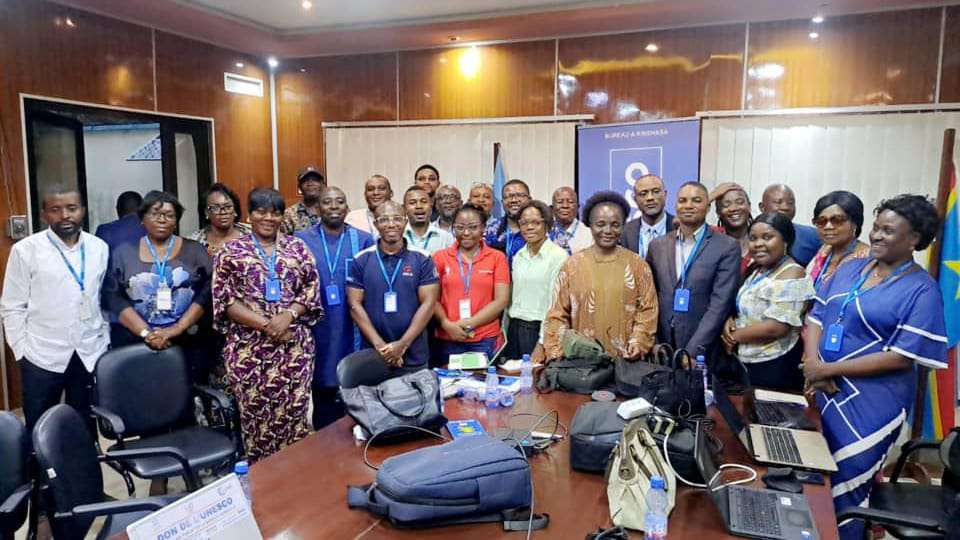
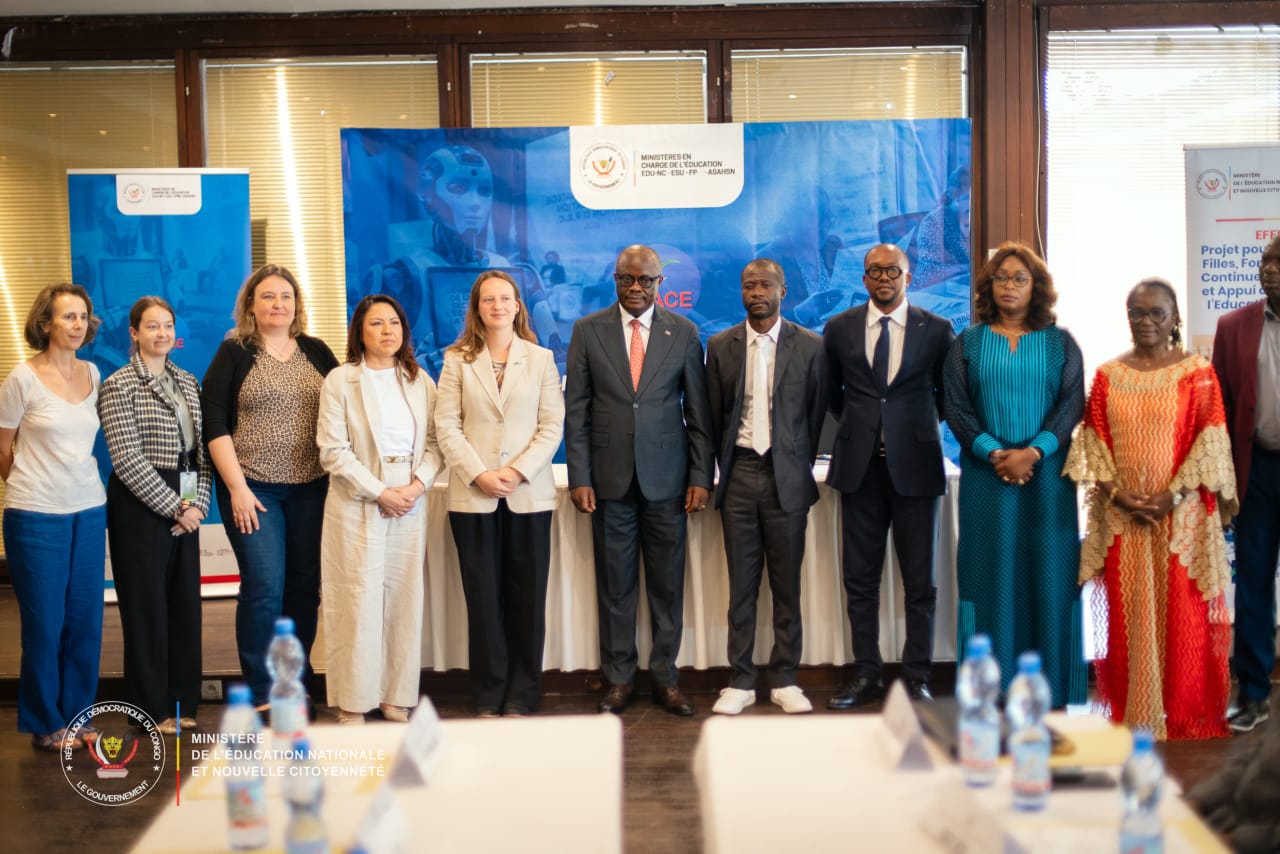
Experts from various sub-sectors of education and training participated in a workshop from November 20 to 24 to review secondary data for the development of the National Strategy for Education in Emergency Situations (SNESU).
The event was held in the meeting room of the Permanent Secretariat for Support and Coordination of the Education Sector (SPACE) and concluded on November 25 in the UNESCO meeting room, with technical support from an external consultant recruited by UNICEF, Erick Ngoga.
Participants reviewed the literature and analyzed available information on education in emergencies in the DRC.
Six themes were addressed in sub-groups during this workshop, including access and the learning environment; teaching and learning; teachers and support staff; education financing; education policies and strategies; and core standards for a quality response.
In the first quarter of 2024, a report from the humanitarian community revealed that there are 7 million internally displaced people, 41% of whom are children aged 3 to 17. This situation has had a negative impact on basic social services, including education.
Furthermore, in April 2024, the Education Cluster estimated that 1,303 schools remained closed. In fact, 68% of the closures were due to repeated clashes between armed groups, 10% to the use of schools as shelters, 7% to occupation by armed groups, 4% to natural disasters, and 11% to other reasons.
This workshop provided an opportunity for experts to support the development of the SNESU, as outlined in the Sectoral Strategy for Education and Training (SSEF). In this document, the DRC has committed to implementing a national policy on education in emergency situations to improve the management of the education system and ensure effective and efficient handling of this issue before, during, and after the crisis.
This will enable the Congolese government and its various technical partners to strengthen institutional capacities at the central, provincial, and local levels, on the one hand, and to strengthen advocacy at all levels—which serves as a powerful tool for fundraising—on the other.
The development of the SNESU is financially supported by, among others, the World Bank, UNESCO, UNICEF, UNHCR, the FPF, the EU, and the French Embassy. A total of 35 experts from various organizations and technical and financial partners participated in this workshop.
Magalie Mussa and Arlette Melo