TRIBUNE: Reform without noise, innovate without return: the DRC changes the State Examination
While some get lost in speculation, the DRC is moving forward with confidence. In three pilot provinces, the grading of state exams is now handled by artificial intelligence and high-precision machines. This technological—but above all structural—reform could well change the face of academic assessment in the Democratic Republic of the Congo forever.
It took courage. Above all, it took action
In a country accustomed to chronic delays in the release of results, rumors of manipulation, exhausted graders, and excessive centralization, the Ministry of Education has launched—quietly but ambitiously—a radical reform of the State Exam grading process.
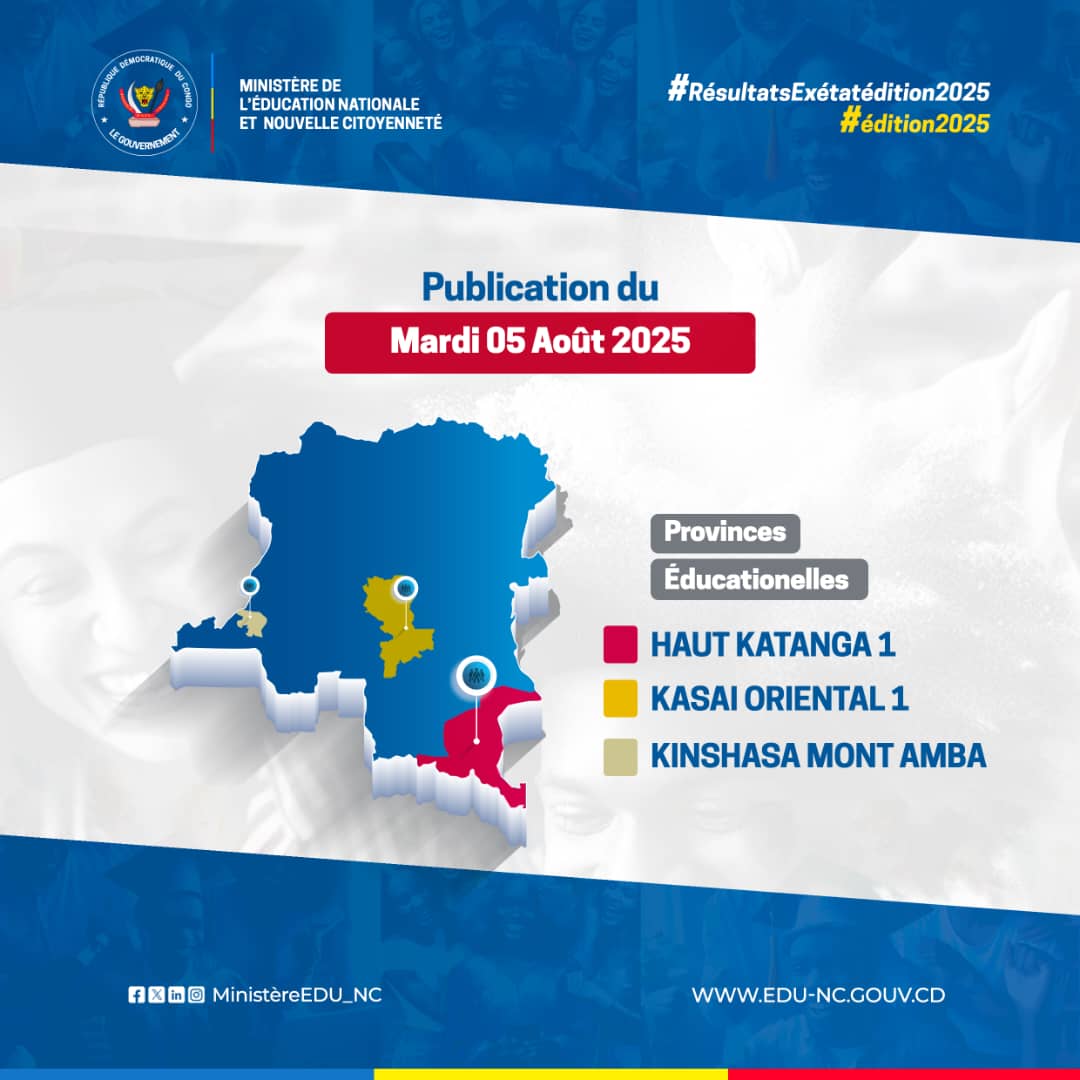
Since 2025, three provinces (Haut-Katanga, Kasaï Oriental, and Kin-Mont-Amba) have been piloting automated grading assisted by artificial intelligence. The results are spectacular: over 100 papers graded per minute, with no human error, no interference, and no favoritism.
This innovation, which might seem trivial to some, is in reality a silent revolution.
A response to the system’s long-standing problems
For too long, state exams have been synonymous with:
- Exam papers lost between the provinces and Kinshasa;
- Overworked, demotivated, or overburdened graders;
- Endless delays, fueling suspicion and mistrust;
- Excessive centralization has weakened the process. The human touch—sometimes overwhelmed, sometimes tempted—has undermined the system’s credibility. Action was needed.
Automated grading addresses these challenges point by point:
- Real and effective decentralization
- Rapid grading and data processing
- Digital traceability and enhanced oversight
- Elimination of favoritism and attempts at corruption
Technology in the Service of Educational Justice
Artificial intelligence, in this context, is not a passing trend. It is a tool for educational justice. It reinforces equality among students, ensuring that every exam paper—whether from Mbuji-Mayi or Lubumbashi—is read, graded, and archived according to the same standards of quality and fairness.
But this reform goes beyond technology. It is a powerful political statement. It affirms a commitment: to put Congolese students back at the center, and to make their assessment an exercise in rigor, merit, and transparency.
A structural reform, not a gimmick
What the Congolese education system is undergoing in 2025 is not a one-off or cosmetic operation. It is a structural transformation that foreshadows a broader overhaul of the relationship between the state, its institutions, and the citizen.
Above all, this reform is intended to extend across the entire country, so that every province becomes capable of managing its grading with the same tools, the same rigor, and the same autonomy.
Putting an End to Accusations of Bias
To those who cry foul, we must counter with the system’s transparency. To those who suspect manipulation, we must point out the digital traceability now built into every stage.
Educational innovation is not a luxury. It is a necessity, and when it is as well-conceived as this one, it deserves the support of everyone: parents, students, teachers, as well as political leaders and civil society.
The DRC is moving forward. Quietly, but surely.
And it is time we began to applaud what works, instead of systematically condemning change.
Jean Jeef Mwanza, Director and Head of Department at the DGC - MINEDUNC