Actualités
16 April 2026

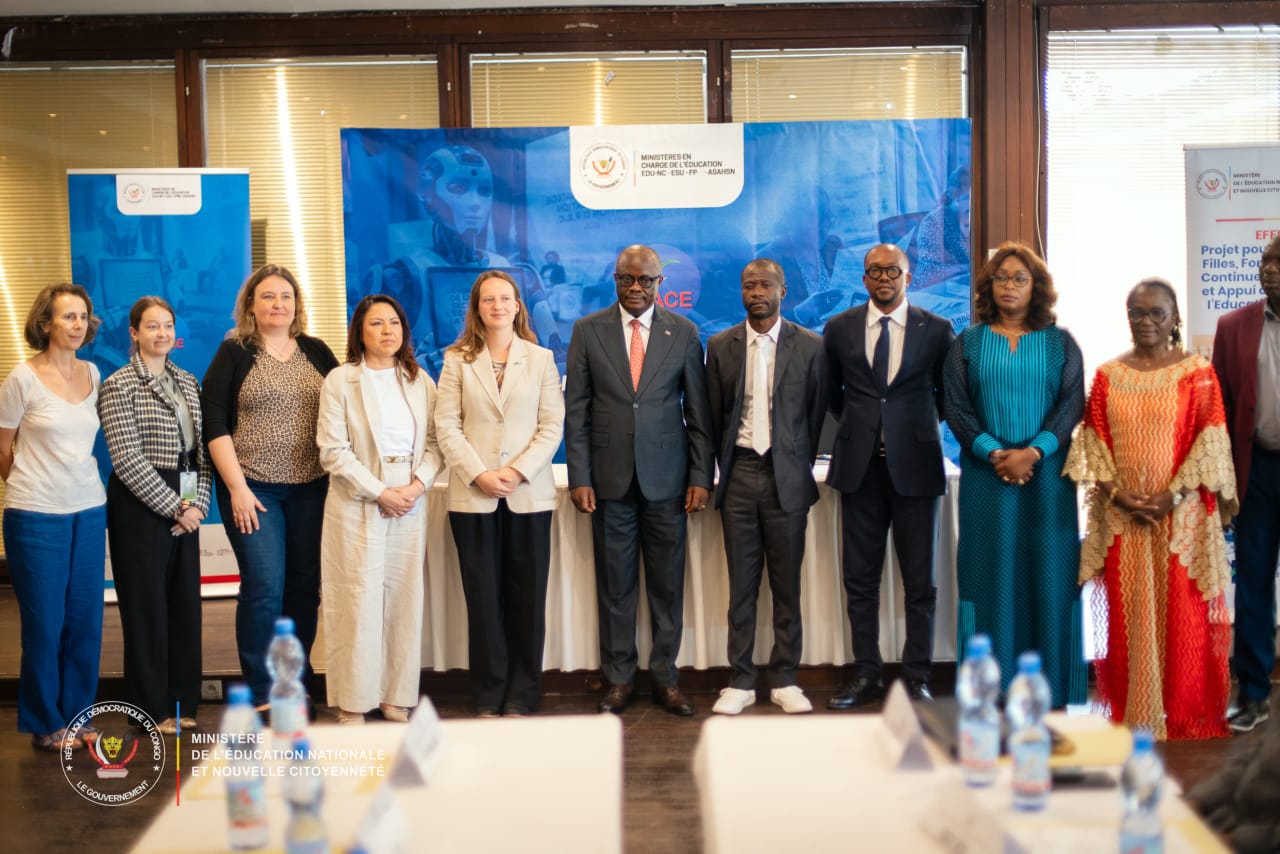
On Friday, March 13, 2026, in Kinshasa, the Ministry of National Education and New Citizenship organized a workshop dedicated to presenting the 2025–2027 National Roadmap and establishing the National Committee for Monitoring the Commitments of West and Central African Countries (AOC). This initiative is part of the Congolese government’s efforts to improve the health, well-being, and education of adolescents and young people.
In the Democratic Republic of the Congo, young people aged 10 to 24 account for approximately 32.8% of the population. Despite this significant proportion, this age group continues to face several major challenges, including early pregnancies in schools, child marriage, sexual and gender-based violence, and the spread of sexually transmitted infections, including HIV. Statistics indicate that approximately 20% of adolescent girls aged 15 to 19 have already experienced a pregnancy, while a large number of young people still lack access to reliable information and appropriate services regarding sexual and reproductive health.
Christelle Nsambu, Director of the Department of Life Skills Education (DEVC), emphasized the importance of promoting life skills education to enable students to develop essential skills and adopt responsible behaviors.
“The mission of the Directorate of Life Skills Education is to promote programs that enable learners to develop life skills, adopt responsible behaviors, and cultivate attitudes that support their health, protection, and full participation in society,” she explained.
She also highlighted the essential role of partners in implementing these initiatives, specifically citing the support of Marie Stopes International (MSI) and UNESCO, which contributed to the development of the roadmap and the organization of this workshop.
For his part, the Secretary-General of EDUC-NC, speaking on behalf of the Minister of State, Minister of National Education and New Citizenship, noted that the DRC, like other countries in the region, had committed to translating regional commitments into concrete actions tailored to the national context.
“This tool will help identify national priorities, define the responsibilities of the various stakeholders, and ensure an effective coordination mechanism for implementing actions to promote the health, education, and well-being of adolescents and young people,” he emphasized.
Juvenal Sanga also highlighted the regional context of these commitments, referring to the meeting held on April 6, 2023, in Kintélé, Republic of the Congo, during which the ministers of education and health from West and Central African countries made commitments aimed at improving the health, well-being, and education of adolescents and young people, in accordance with the Sustainable Development Goals.
Finally, he emphasized the importance of establishing a national monitoring committee to ensure the coordination, monitoring, and evaluation of the actions undertaken and to guarantee synergy among all stakeholders involved.
The government expects this workshop to translate regional commitments into concrete, effective actions for adolescents and young people, particularly by reducing early pregnancies, child marriages, and gender-based violence, while strengthening access to education and sexual and reproductive health services, and ensuring effective coordination among all relevant stakeholders.
Cephora Kokanzo and Michaelle Kiasungwa
Filter by structure or document type to find the right content.

For any report or information related to national education and new citizenship, call 178