Actualités
16 April 2026
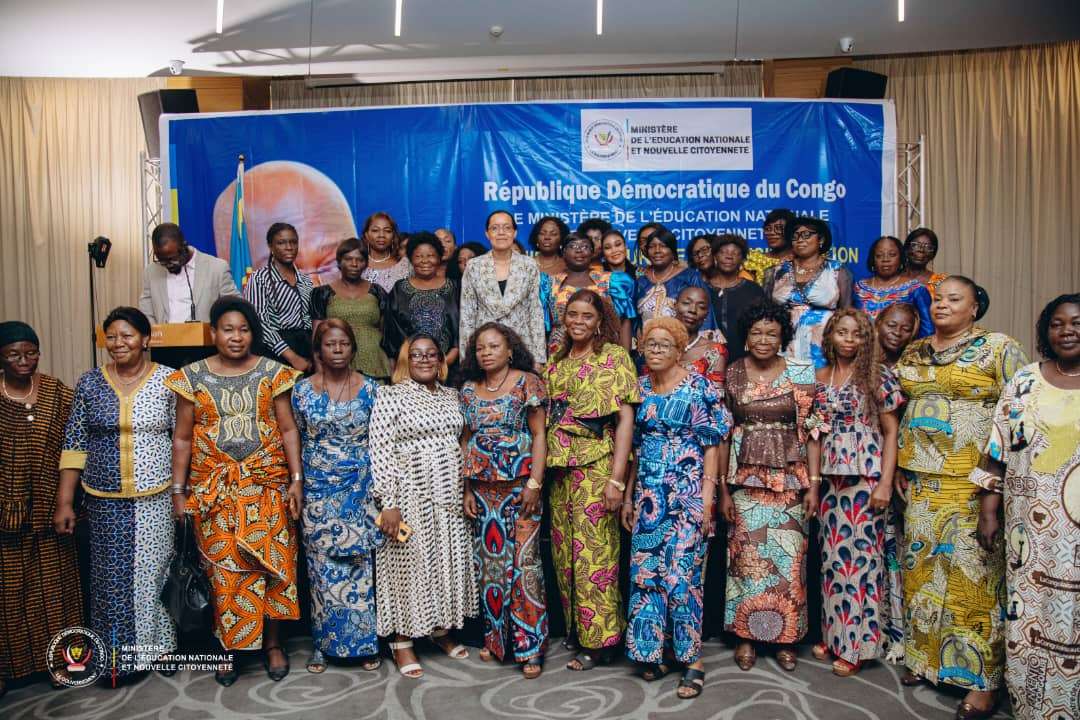
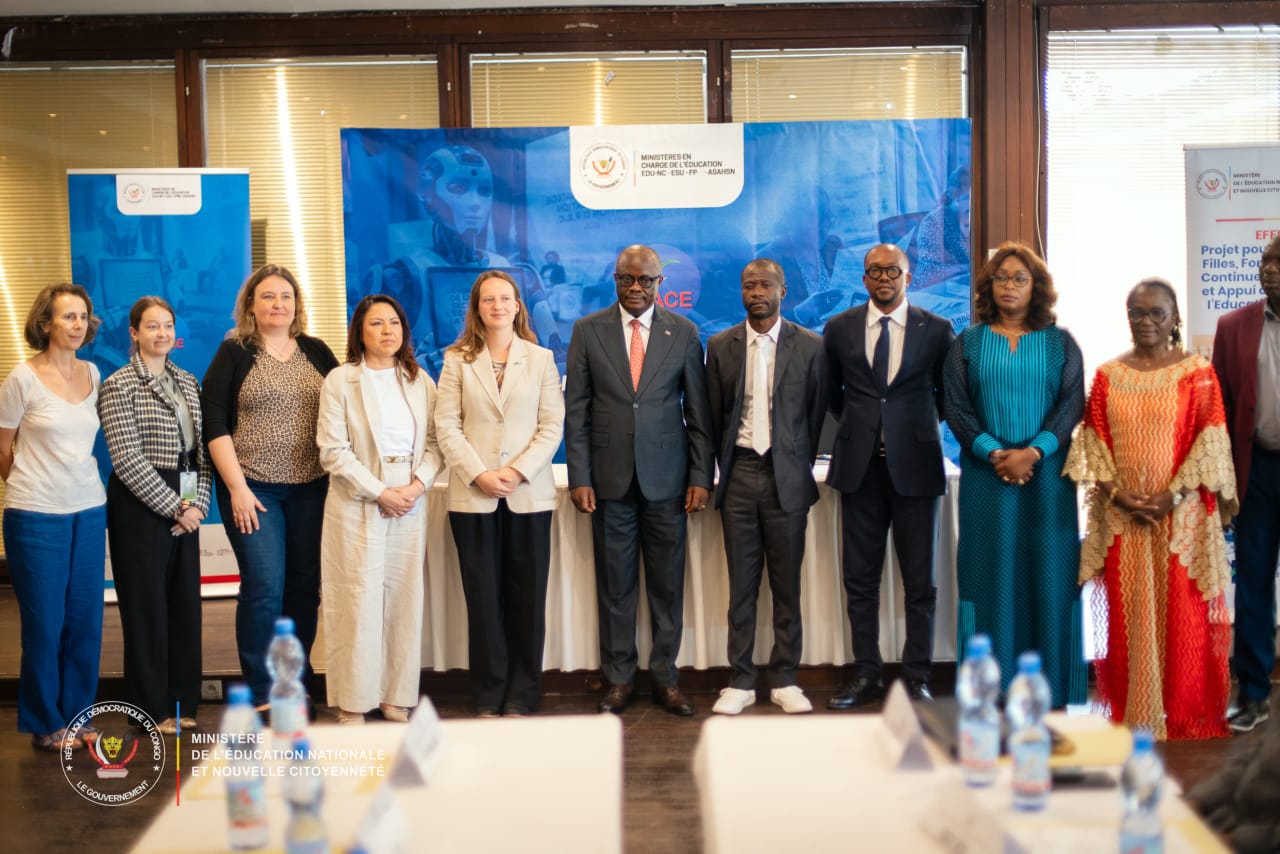
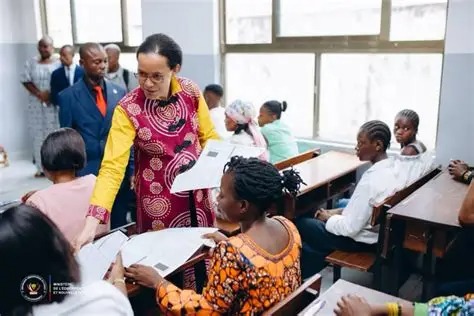
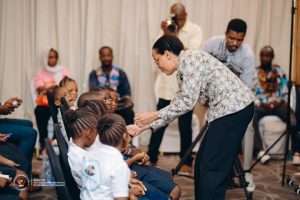 Raïssa Malu took this opportunity to congratulate all the participants, praising the major role they play in the development of the DRC.
“Your daily commitment, your professionalism, and your sense of public service are the foundation of our collective action. Through your work, you inspire young people—both girls and boys—you bring our educational policies to life, and you contribute every day to making equality a lived and built reality,” she stated.She went on to highlight the relevance of the theme for International Women’s Day: “For all women and girls: rights, equality, and empowerment,” noting that this theme is evocative and carries a call for transformation—namely, the guarantee in all areas of equal rights, equal opportunities, and equal chances for all girls and women. Citing literacy statistics, the Minister of Education revealed that 59% of women aged 15 to 49 are literate in the Congo, compared to 86% of men, according to the 2023-2024 Demographic and Health Survey III.
“This figure alone reminds us that we still have a long way to go. Access to education remains unequal, particularly at the secondary level, where only 55% of girls have access, compared to 81% at the primary level. It is in this context that the ministry is acting with determination to make girls’ education a priority. We know that education is the first step toward empowerment,” she said.
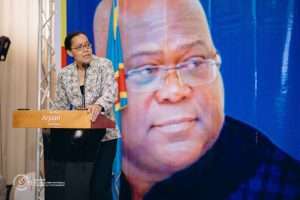 Raïssa Malu then listed several programs launched by the Congolese government aimed at increasing girls’ access to school.
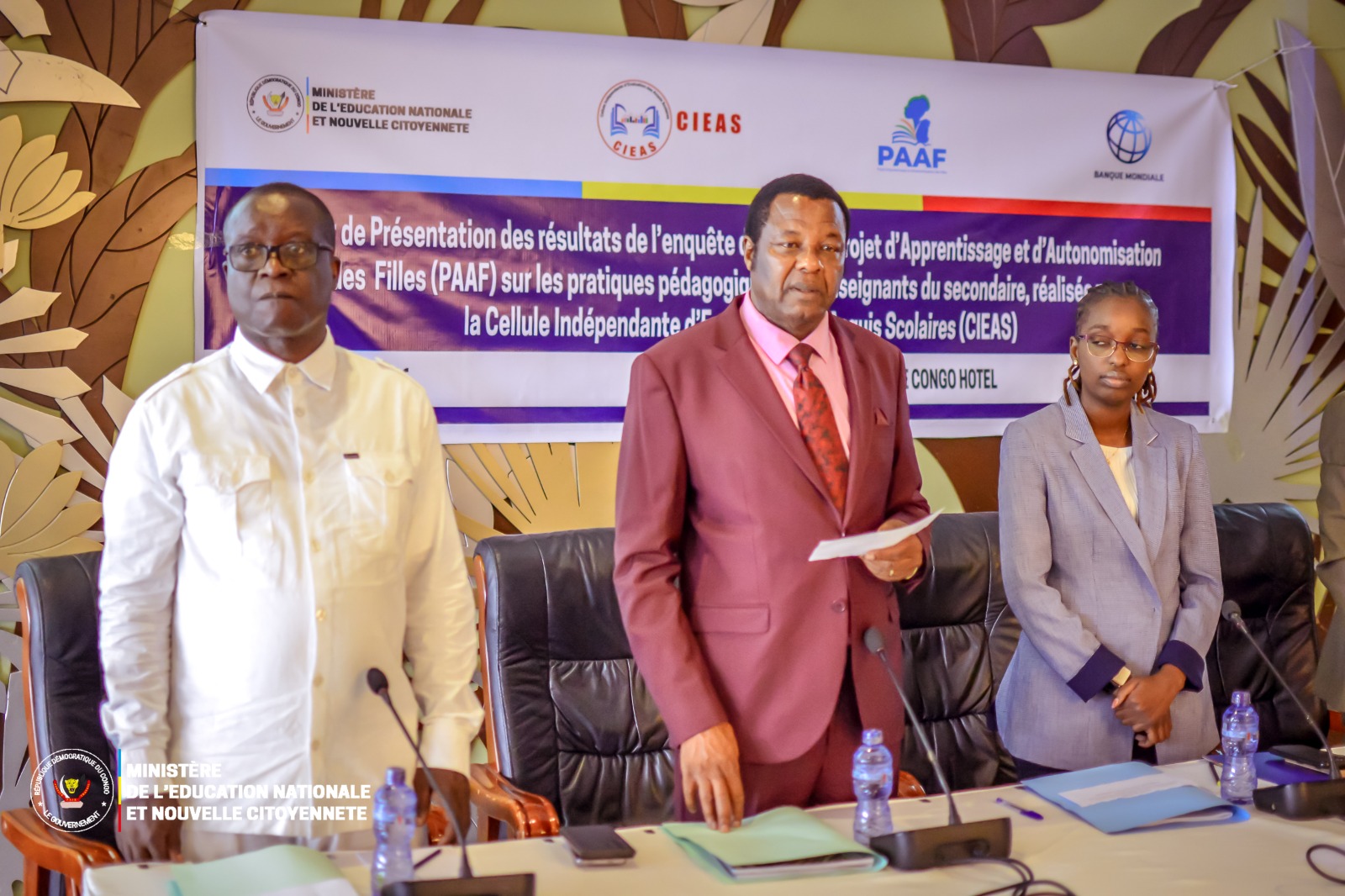
“The PERSE, PAAF, and PEQIP projects, the National School Feeding Strategy, and the Active Citizenship campaign are all initiatives launched by our ministry to strengthen girls’ access to school, improve their attendance, and promote their success and civic engagement. It is up to us, as educators, to transform the classroom into a space of equality. Every day, we have a responsibility to encourage our students to take risks, to dream, to break gender stereotypes, and to believe that all paths are open to them. It is up to us to teach by example that gender equality is not only a fundamental right but also a driver of collective prosperity,” she stated.She added:
“Through her presence, her demeanor, and her commitment, the teacher embodies New Citizenship; she is at the heart of the social transformation we so ardently desire—that of a Congo that protects its children, values its talents, and recognizes the equal dignity of all its daughters and sons.”Raïssa Malu also advocated for equality in the administration of education, where many women work with discretion, rigor, and determination to advance the educational system. The head of EDU-NC paid a heartfelt tribute to President Félix Antoine Tshisekedi, a “champion of positive masculinity,” for making the promotion of women’s rights a strategic priority of his term.
“Thanks to his leadership, our country has achieved major milestones: the appointment of a woman as Prime Minister, the appointment of a woman to head this ministry, and strong political support for the cause of equality,” she added.Raïssa Malu emphasized that equality should not be built against men, but with them. The Acting Secretary General of EDU-NC, Mathieu Munkenge Bakina, referring to the national theme of Women’s Rights Day celebrated on March 8, namely “Congolese women at the center of all ambitions,” highlighted the efforts of the Minister of State to bring the President’s vision to fruition before thanking the female teachers dedicated to the effective education of Congolese children, who are expected to take the reins of the country’s future. For his part, the Director of the DEVC, Guillaume Korhogo, addressed education in emergency situations in his remarks, briefly recalling the history of conflicts in the country, particularly immediately after independence and from 1996 to the present. Michaëlle Kiasungwa
Filter by structure or document type to find the right content.

For any report or information related to national education and new citizenship, call 178